"Ah, I have no one to contact. Please let me die alone without bothering me."
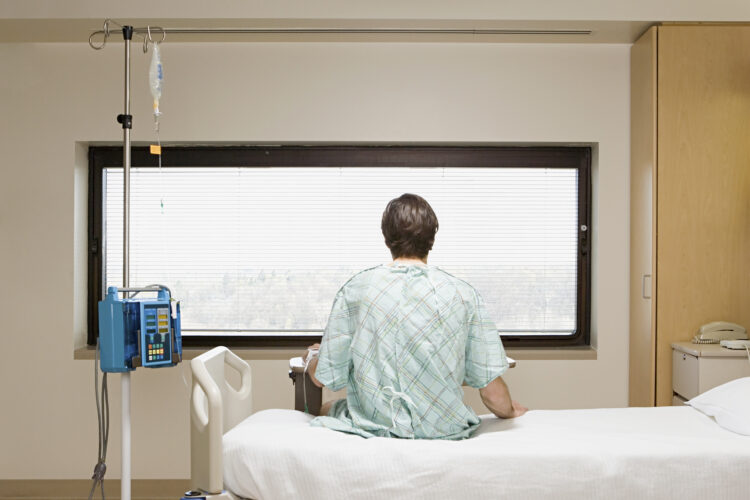
The words were harsh from the moment he was admitted to our ward. In the patient information section, it simply read: 'No guardian.' This patient in his 70s was suffering from advanced cholangiocarcinoma. His eyes were yellowed with severe jaundice, and his body bore a dark, bluish tint. The cancer had already metastasized to his lungs, liver, and bones. Even after a stent was placed to relieve his bile duct, his breathing grew shallow, and he became entirely dependent on a nasal oxygen cannula.
Once we became familiar enough to discuss the weight of life and death, I sat on the edge of his bed and spoke hesitantly. "Everyone must face their last moments. Given how your illness has progressed, what would you like me to do if you become critically ill? Have you heard of life-sustaining treatments like ventilators or CPR?"
He remained silent for a long time, regret and sadness crossing his face. "I’ve lived carelessly and made my family suffer," he whispered. "How can I shamelessly say I want to live longer? I just want to leave naturally."
He did have a family. He had spent his life as a construction laborer, falling into alcoholism and violence when life felt too heavy. He hadn't seen his son or daughter since his divorce in his 40s.
"Don't you want to see them before it's too late?" I asked. "Shouldn't your children know?"
"I feel ashamed. I don't even know their contact information," he replied. "But if I could meet them..."
With help from the local government office, we located his children in Incheon. I called his son, explaining the patient’s condition and conveying that his father had missed them deeply but remained silent out of guilt. The son listened without responding.
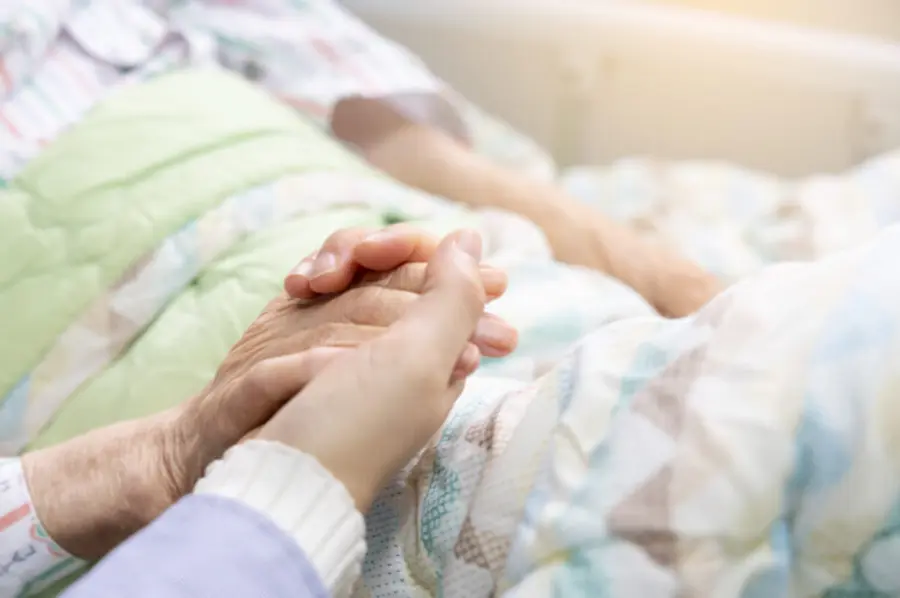
The next day, his son, daughter, and ex-wife arrived. They held his hand for hours, shedding tears of longing rather than resentment. A few days later, the patient passed away peacefully, as if he had finally laid down the burdens of his life.
The Growing Number of Solitary Patients
As an oncology hospitalist, I always check family relationships first. I need to know who the patient wants by their side when the end arrives. However, the number of "solitary" patients disconnected from their families is rapidly increasing, especially in the Gangwon Province area where I work.
Many feel it is shameless to seek out family only when they are old and sick. They worry about the financial and emotional burden they might impose. Helping these individuals find the courage to call out the name "family" one last time is a vital part of my role. Yet, not every story has a happy ending.
A female lung cancer patient in her 70s presented a much more painful case. She was a solitary elderly person whose only relative, an older brother, had passed away years ago. One day, I found her crying on her bed.
"Forty years ago, my husband died in a car accident," she told me. "My in-laws in Gyeongsang-do told me I couldn't see my children unless I lived with them, but the life there was so harsh I couldn't stay. I left when my youngest was eight."
She had heard her children were now married and successful, but she felt like a "heartless mother" who had abandoned them. At her request, I contacted the local office. The result was not a miracle. Her children responded that they did not want to meet her and asked that their contact information not be shared.
"I knew it would be like this," she wept. "It breaks my heart that I will never be forgiven."
I could only offer the comfort that her children were now aware of her condition. She was eventually transferred to hospice care, and I never heard if they eventually reached out. I choose to believe, however, that her children might someday understand the depth of the longing she carried for 40 years, and that her feelings might eventually melt their hearts.
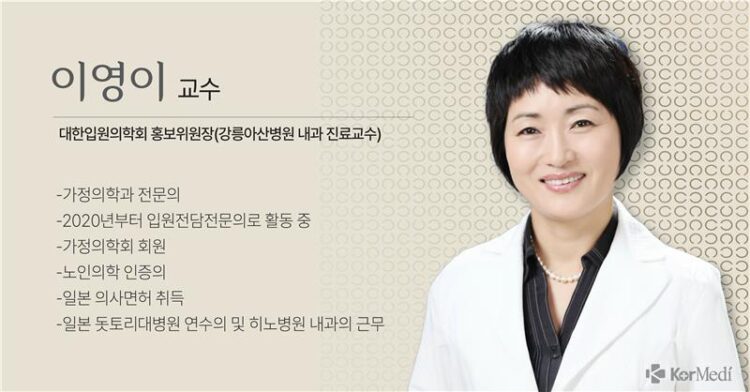
Professor Young Ee Lee Public Relations Chair of the Korean Society of Hospital Medicine (Professor of Internal Medicine, Gangneung Asan Hospital)
Editor's Note: A hospitalist is a physician who remains in the ward to care for hospitalized patients most closely. The 'Hospitalist Diary' is a weekly series sharing the human stories experienced within the hospital, supported by the Korean Society of Hospital Medicine.