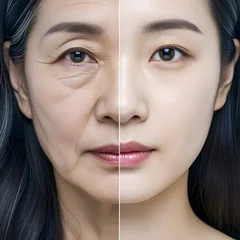

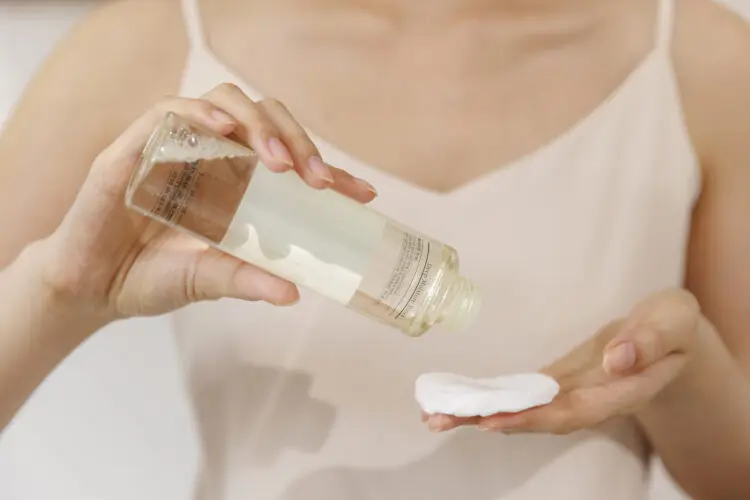
As soon as they finish washing their face, many people habitually soak a cotton pad with toner and wipe their faces. This method is commonly referred to as ‘wiping toner’. In contrast, the method of applying toner to the hands and pressing it into the skin for absorption is called ‘absorbing toner’. Many repeat the wiping method without much thought due to the refreshing feeling, but if at some point your skin starts to feel tight, red, or sensitive, it’s necessary to check your toner usage method. Let’s check if the habit we’ve been repeating without thinking is actually suitable for our skin.
‘Wiping toner’ is not the answer for all skin types
The wiping toner method using a cotton pad can help with exfoliation or removing residues after washing the face. However, repetitive friction can easily build up minor irritation on the skin. Especially for sensitive or dry skin, the wiping process can weaken the skin barrier. If you use a toner containing alcohol or acidic ingredients daily, dryness or redness can easily appear. If you feel that your skin has become more sensitive than before, it’s advisable to check your wiping toner habit.
For dry or sensitive skin, ‘absorbing toner’ is fundamental
For dry or sensitive skin, the absorbing toner method, where toner is applied to the hands and gently pressed for absorption, often works better. The warmth of the hands helps with absorption, allowing moisture to quickly settle into the skin while reducing unnecessary friction. Instead of applying a large amount at once, applying small amounts multiple times can also help alleviate tightness. If your skin feels comfortable and moist after applying toner, it’s a sign that your current method is suitable for your skin.
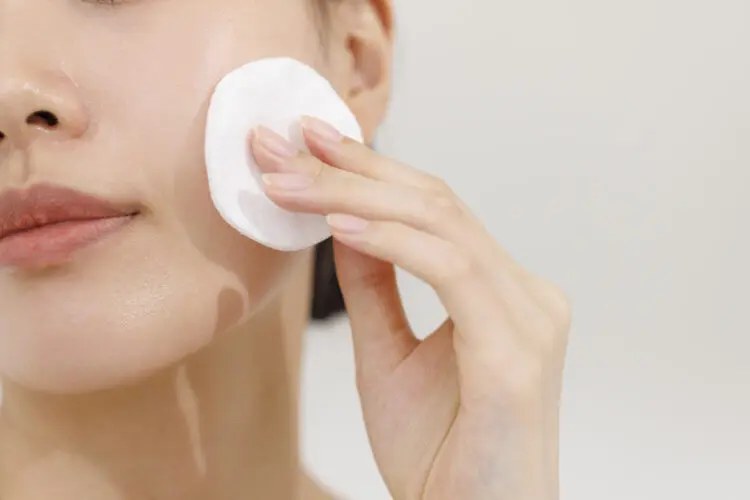
For oily or troubled skin, ‘partial wiping toner’ is the solution
If you have oily skin or frequent breakouts, it can be helpful to use the wiping toner only on areas with excess oil, such as the T-zone or around the nose, rather than wiping the entire face. Even then, it’s important to use the cotton pad lightly along the skin texture rather than rubbing it hard. Excessive wiping can actually stimulate oil production, worsening shine or breakouts. The key is to use it minimally on the necessary areas.
Even for exfoliation purposes, ‘wiping toner’ is sufficient 2-3 times a week
Repeating the wiping toner daily for exfoliation can lead to accumulated irritation. If the goal is to manage dead skin cells, doing it about 2-3 times a week is often sufficient. If your skin feels stinging or your makeup starts to lift after using toner, it may be a sign that the irritation is excessive. Dead skin cells are not just something to be removed; they also play a role in protecting the skin, which should be considered as well.
The role of toner is ‘a process to prepare for the next step’
The key role of toner is to quickly restore the moisture balance disrupted after washing the face and to prepare the skin for better absorption of subsequent essences or serums. It is not a step that must be wiped off to be effective. If your skin does not feel tight and is comfortable after using toner, then that method is suitable for your skin right now. Just changing your toner usage habit can significantly improve your skin condition.