Supervisory authority over South Korea’s national university and dental hospitals will officially transfer from the Ministry of Education to the Ministry of Health and Welfare on August 20. The statutory change consolidates management and policy oversight under a single dedicated ministry, aiming to bridge regional healthcare gaps and reinforce essential medical services nationwide.
The transfer follows amendments to the Act on the Establishment of National University Hospitals and the Act on the Establishment of National University Dental Hospitals, which cleared the Cabinet on February 10 and were promulgated on February 19. Seoul National University Hospital is excluded from this transition and will remain under the Ministry of Education for now, as it is governed by a separate statute, the Act on the Establishment of Seoul National University Hospital.
Institutions shifting to the Health Ministry include the national university hospitals and dental hospitals of Pusan National University, Kyungpook National University, Chonnam National University, Chungnam National University, Kangwon National University, Jeonbuk National University, Jeju National University, and Chungbuk National University. Key administrative duties—such as approving management plans, reviewing director recommendations, and handling budget requests—will now fall under the Minister of Health and Welfare.
Addressing the Regional Healthcare Crisis
First discussed 21 years ago during the Roh Moo-hyun administration, the transfer was finalized in response to an intensifying regional healthcare crisis. With an increasing number of patients traveling to the Seoul metropolitan area for treatment and regional disparities in treatable mortality rates widening, the government has prioritized strengthening regional, public, and essential medical care.
Under the government’s "5 poles, 3 special" national balanced development concept—which divides the country into five mega-regions and three special self-governing provinces—national university hospitals will serve as the backbone of regional healthcare networks, taking responsibility for final-stage care in severe and emergency cases.
"Transferring oversight of regional national university hospitals to the Ministry of Health and Welfare marks the beginning of strengthening regional and essential medical care," Health and Welfare Minister Jung Eun-kyeong said when the amendments passed the National Assembly on January 29. "Based on direct input from national university hospitals, we will promptly implement a whole-of-government plan to foster their clinical care, education, and research capabilities."
Expanding Staffing, Infrastructure, and Operational Autonomy
To support this expanded role, the government is rolling out a multi-faceted support strategy across clinical care, research, workforce development, and institutional governance:
Faculty & Staffing: The government will add approximately 460 full-time faculty members over four years to bolster staffing in critical, understaffed specialties such as obstetrics, pediatrics, and thoracic surgery, while improving compensation for long-serving medical personnel.
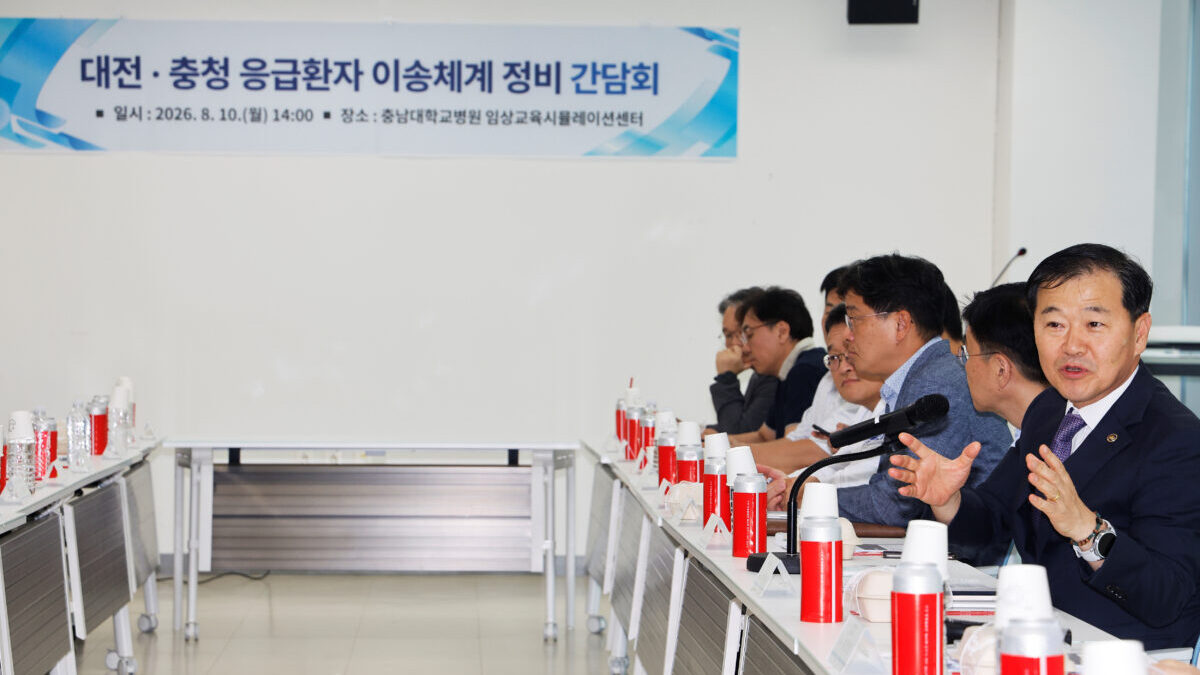
Clinical Training Infrastructure: Advanced simulation-based clinical education and training centers will be installed at all national university hospitals to provide hands-on procedural training for medical students, residents, and practitioners. Centers at Jeju National University Hospital and Chungnam National University Hospital are already complete, with eight more—including Kyungpook National University Hospital—to follow.
Research Integration: Clinical data across all national university hospitals will be linked with the National Cancer Center to reach data standards comparable to major Seoul hospitals, facilitating regional participation in clinical trials for new oncology drugs and rare disease treatments.
Institutional Governance: To give hospitals greater flexibility in recruiting top talent and executing budgets, the government is consulting with relevant ministries to lift their designation as "other public institutions." Additionally, national university hospital directors will co-chair regional essential medical care committees, while a newly established National University Hospital Policy Division within the Health Ministry will oversee long-term development.
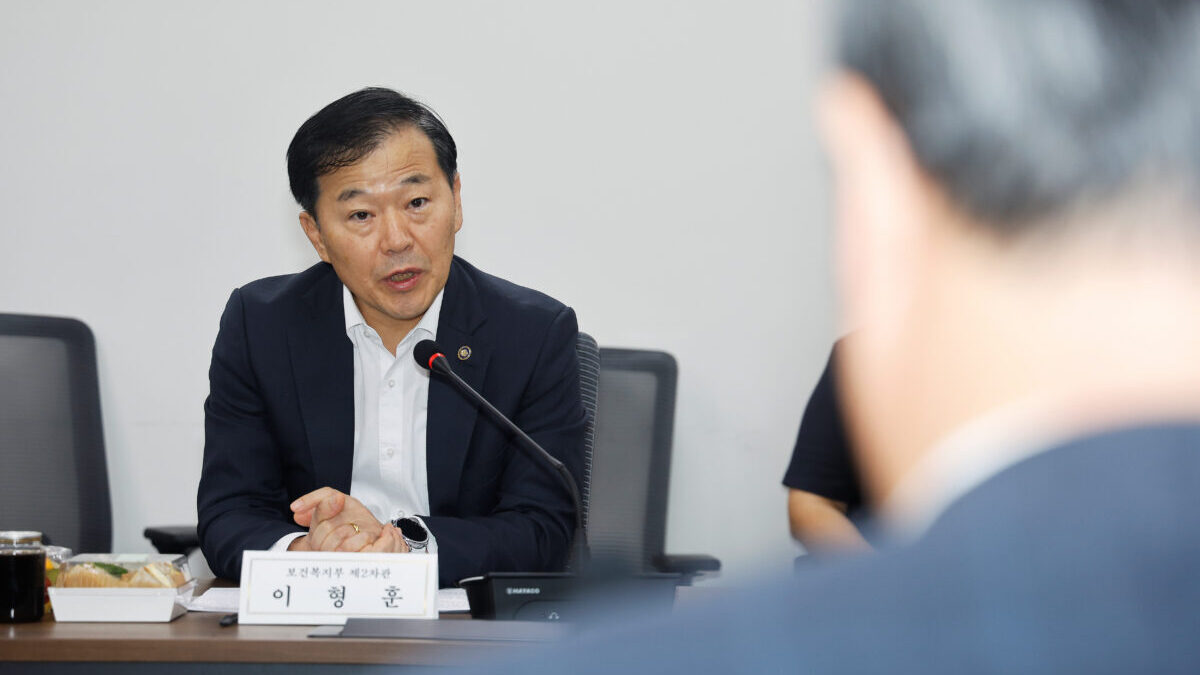
"This transfer is not simply a change in which ministry manages these institutions; it is a new starting point for the Ministry of Health and Welfare to properly develop national university hospitals into core regional hubs," said Lee Hyung-hoon, Second Vice Minister of Health and Welfare. "We will provide responsible support so these hospitals can deliver final-stage care for severe conditions, train outstanding professionals, and drive future medical innovation."