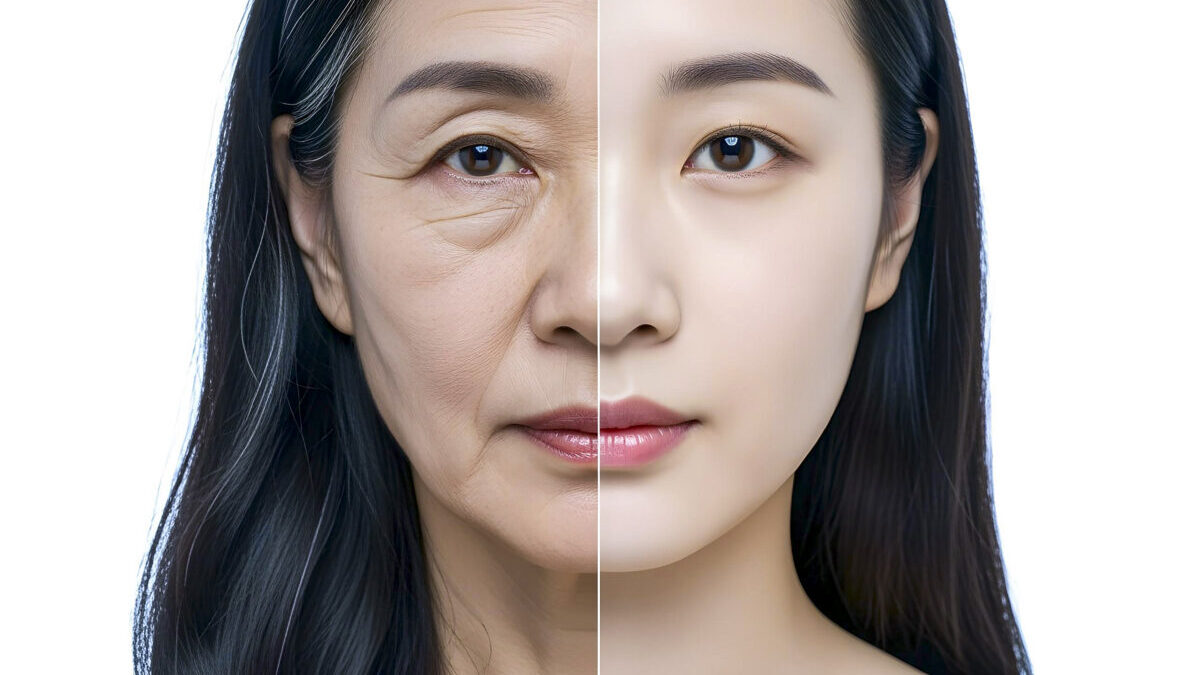
"Chronological age: 50s. Body age: 30s."
This tagline has long been attached to celebrities praised for their meticulous health routines. Recently, 56-year-old singer and actress Uhm Jung-hwa shared her routine on a broadcast, noting, "Every time I get blood work and a physical, my body age keeps getting younger—it dropped to my early 30s."
As public interest in longevity fuels a "reverse-aging" boom, measuring body age has expanded from celebrity gossip into a growing consumer market. Traditionally, South Korean health screenings calculated "health age" or "biological age" by comparing checkup metrics—such as blood biomarkers, body composition, metabolic indicators, and cardiovascular function—against demographic averages. Today, testing has evolved to analyze genetic and biological data to measure cellular aging directly.
Commercial Clocks Gain Traction Amid Scientific Skepticism
In an April op-ed for The Washington Post, E. Ethan Shalev, a professor studying aging at Pennsylvania State University, and Avner Apsley, a researcher at the University of Illinois, noted that "dozens of companies are selling services that tell you your biological age for about $30 to more than $1,000." As longevity science moves from academic research into consumer wellness, commercial "epigenetic clocks" have emerged as a primary product.
These tests evaluate DNA methylation—a process where small chemical tags called methyl groups attach to or detach from specific regions of DNA as a person ages or responds to environmental factors. While the underlying DNA sequence remains unchanged, methylation patterns alter gene expression and often follow predictable trajectories over time. Because lifestyle, stress, and environmental exposures cause individuals of the same chronological age to age at different biological rates, epigenetic clocks aim to quantify these subtle differences.
However, Shalev and Apsley warned that "there are still major scientific limitations to using results from commercial epigenetic age tests to make judgments about an individual’s health."
Algorithms, Samples, and Environmental Fluctuations Cause Inconsistent Results
While epigenetic clocks serve as valuable tools in laboratory research, experts emphasize they remain inadequate for individual medical diagnoses. A primary issue is the complete lack of industry standardization. Dozens of commercial algorithms analyze different DNA sites, draw from disparate population datasets, and target varying endpoints—some predict chronological age, while others estimate mortality risk or rate of decline. Consequently, two different tests can produce widely conflicting biological ages for the exact same person.
Short-term biological fluctuations also distort results. Factors such as recent diet, acute illness, environmental exposure, or even the time of day a sample is collected can alter methylation readings. Furthermore, results vary significantly depending on whether the laboratory analyzes blood or saliva, as well as the specific sequencing technology utilized.
Crucially, researchers stress that the complex process of human aging cannot be reduced to a single number. Epigenetic markers capture not only physical health habits but also uncontrollable life experiences, such as childhood adversity, trauma, and socioeconomic hardship.
High Commercial Costs vs. Proven Lifestyle Fundamentals
Despite these limitations, DNA methylation and biological age tests are expanding in South Korea. Domestic genomics companies now market blood-based epigenetic age estimates alongside telomere testing, which evaluates biological aging by measuring the protective caps at the ends of chromosomes.
Prices for these services vary widely. Standard health-screening add-ons that combine body shape, metabolic metrics, and organ-specific risk indicators typically cost between 30,000 and 100,000 won. In contrast, specialized epigenetic or telomere tests can run into hundreds of thousands of won depending on the testing method and institution.
Medical experts advise that rather than spending high sums on commercial testing, individuals achieve far greater health benefits by mastering lifestyle fundamentals. Experts recommend prioritizing plant-dense diets rich in vegetables, fruits, whole grains, and legumes while minimizing ultra-processed foods, added sugars, and alcohol intake. Paired with regular aerobic and resistance exercise, adequate sleep, stress management, and smoking cessation, daily habits remain the most proven strategy for maintaining genuine biological youth.