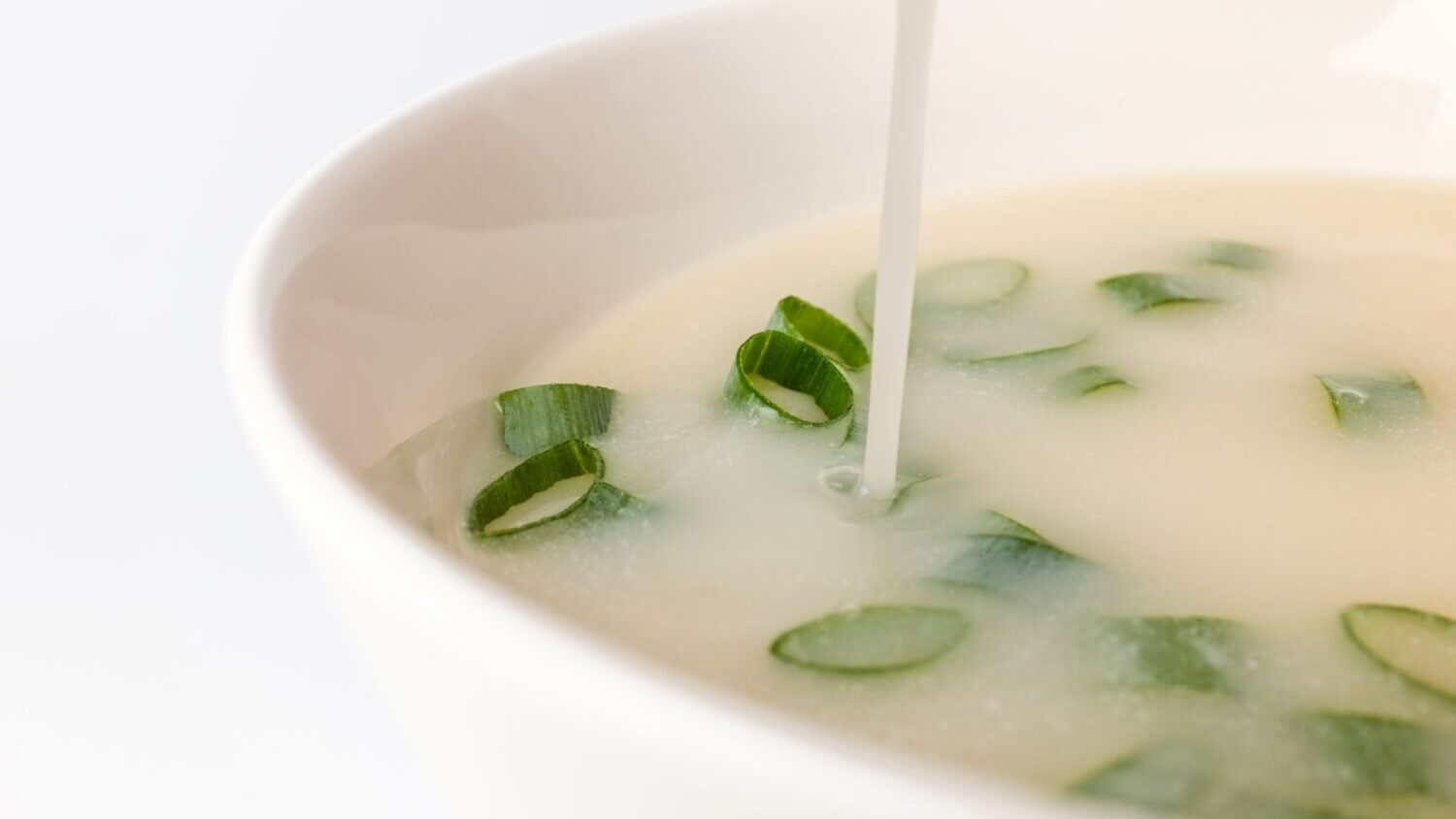
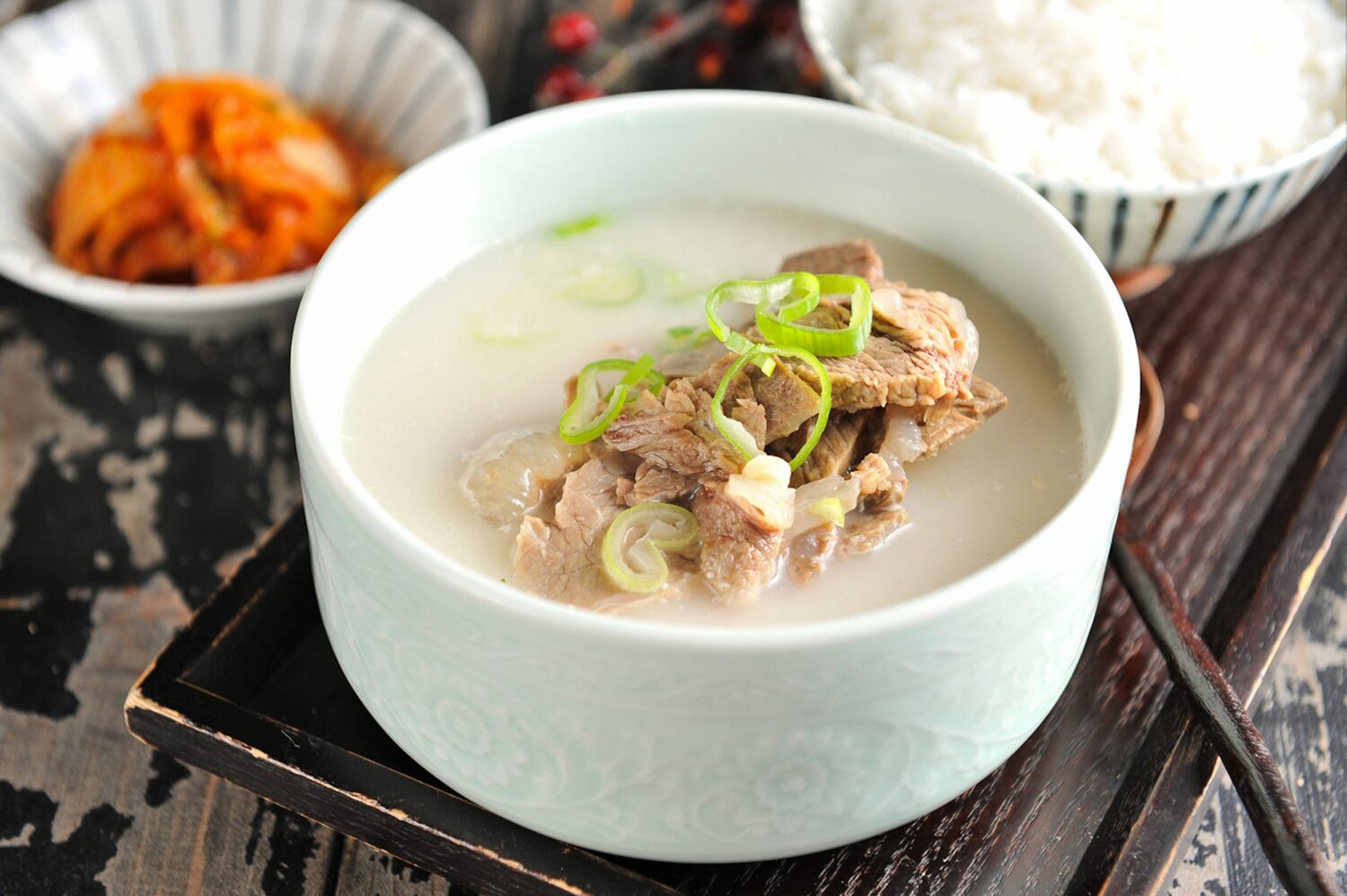
When the weather turns chilly, a steaming bowl of beef bone broth (sagol-guk) is a classic comfort food. Long considered a nourishing tonic to restore stamina, middle-aged and older adults frequently consume the milky soup under the belief that hours of simmering extract calcium from the bones to bolster skeletal health. However, nutritional analyses reveal that the calcium content in bone broth is surprisingly minimal.
Minimal Calcium and the Limits of Long Simmering
Beef bone broth is prepared by simmering bovine leg and joint bones over extended periods. While bones themselves are calcium-dense, the mineral exists in a rigid matrix that does not readily dissolve in water.
According to data from South Korea's Ministry of Food and Drug Safety, a standard 400-gram serving of beef bone broth contains approximately 14 milligrams of calcium—just 2% of the recommended daily adult intake of 700 milligrams. By comparison, a single 200-milliliter glass of milk provides 200 to 230 milligrams of calcium, making it vastly superior as a dietary calcium source.
Simmering bones longer does not continually increase nutrient concentration. Research by the National Institute of Animal Science under the Rural Development Administration indicates that bones should be simmered a maximum of three times for six hours per session. A fourth boil actually reduces key nutrients, including calcium, while degrading the broth's flavor profile.
Why Bone Broth Looks Milky: Fat and Gelatin, Not Calcium
The characteristic cloudy, milky appearance of bone broth often leads consumers to assume it is saturated with dissolved calcium. In reality, the color and rich texture stem primarily from emulsified fat and collagen.
As bones and marrow simmer over long hours, fat melts into the liquid and breaks down into microscopic droplets. When emulsified with proteins, these fat droplets scatter light, giving the broth its opaque hue. Concurrently, heat and moisture convert collagen from bones, cartilage, and connective tissues into gelatin. Gelatin imparts a rich, viscous mouthfeel and causes cooled broth to solidify into a jelly-like consistency.
Protecting Bone Health from Middle Age Onward
Maintaining bone density becomes critical from middle age onward, as bone resorption begins to outpace bone formation. Postmenopausal women are particularly vulnerable to accelerated bone loss due to declining estrogen levels.
To effectively protect bone health, reliance on bone broth should be supplemented or replaced with calcium-rich foods, such as milk, yogurt, cheese, bone-in anchovies, dried whitebait, and calcium-set tofu. Calcium-fortified soy milk serves as a practical alternative for those with lactose intolerance.
For those who enjoy beef bone broth, preparation and seasoning matter. Adding excessive salt or soup soy sauce, or pairing it with seasoned kimchi, significantly raises sodium intake. Middle-aged and older adults managing hypertension should season broth lightly and skim off surface fat before serving.
Finally, calcium absorption depends heavily on vitamin D, which is synthesized through sunlight exposure or consumed via fatty fish like salmon and mackerel, egg yolks, and fortified foods. Regular weight-bearing exercise—such as walking, stair climbing, and resistance training—remains equally vital to preserving bone density and muscle mass.