Maintaining good health is a continuous challenge, particularly when it comes to resisting dietary cravings. Amid rising rates of weight gain and diabetes, vascular conditions such as heart disease and stroke (cerebral infarction or hemorrhage)—which can be life-threatening or cause lasting disability—are also increasing rapidly. While exercise is crucial, dietary habits play the primary role in preventing chronic illness. Simply reducing unhealthy food intake can significantly lower disease risk.
Rising fat and sugar intake paired with declining physical activity
According to results from the 2025 Korea National Health and Nutrition Examination Survey released by the Korea Disease Control and Prevention Agency (KDCA) late last month, consumption of high-fat and sugary foods continues to grow. Compared to 2024, the proportion of total calories derived from fat rose to 28.7% for both men and women. Meanwhile, aerobic exercise participation rates fell by 2.0 percentage points among men and 3.2 percentage points among women, while regular walking rates dropped by 2.6 and 2.5 percentage points, respectively. Sugar intake also remains high: 11.9% of men and 18.4% of women consumed total sugars (including natural and added sugars) exceeding 20% of their daily caloric intake.
This shift toward fatty, sugary diets combined with sedentary behavior presents a serious health risk. These lifestyle changes have contributed to a 47% increase in the prevalence of hypercholesterolemia compared to a decade ago. Elevated cholesterol levels can trigger hyperlipidemia, progressing to atherosclerosis and severe vascular disorders like heart disease and stroke.
Sugary foods on an empty stomach: Blood sugar spikes and weight gain
Drinking sugary beverages on an empty stomach in the morning or afternoon causes rapid glucose absorption, triggering sharp blood sugar spikes. These frequent surges prompt excess glucose to be stored as body fat, promoting weight gain over time. Beyond sodas, fruit juices often contain concentrated sugars, and many restaurant dishes are prepared with hidden added sugars. Excess sugar consumption also raises the risk of vascular complications, including hyperlipidemia.
Refined carbohydrates and eating order: Start with fiber and protein
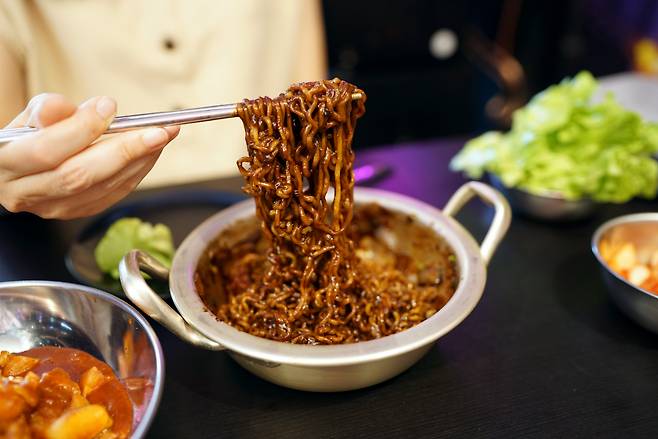
Consuming refined carbohydrates like noodles or bread immediately on an empty stomach—especially eating them quickly—is equally harmful to blood sugar control. Ideally, meals should begin with fiber-rich vegetables before moving to flour-based dishes. While some casual restaurants serve minimal vegetable sides—such as jajangmyeon served only with pickled radish and raw onions—diners should take advantage of available options, such as eating plenty of kimchi served with kalguksu. Dietary fiber slows glucose absorption in the gut and helps reduce blood triglyceride levels.
When eating on an empty stomach, the optimal sequence is to consume vegetables first, followed by protein-dense foods like eggs, tofu, fish, or meat, and finish with carbohydrates such as rice, noodles, or bread. Adopting this structured eating order provides a simple, effective strategy for managing postprandial blood sugar and supporting weight loss.