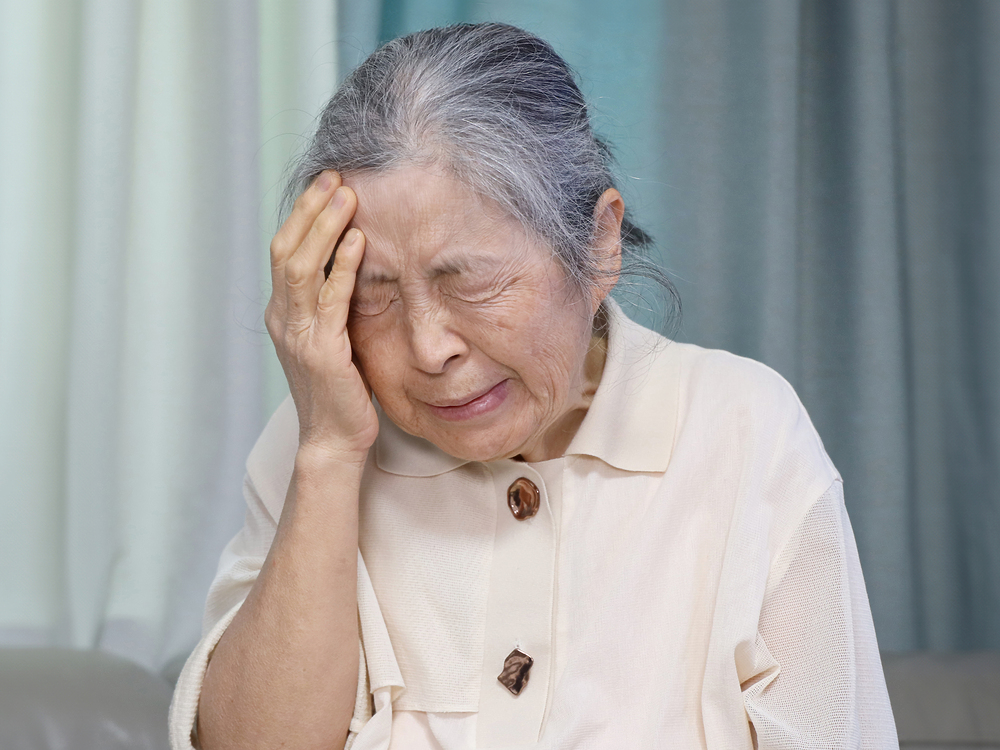
By middle age, many men notice that they tire more easily, gain abdominal fat, or lose muscle mass. They may also experience a noticeable drop in motivation. While it is easy to dismiss these changes as normal signs of aging or workplace stress, persistent symptoms warrant a closer medical look.
One potential cause is late-onset hypogonadism, commonly known as male menopause, which stems from a gradual decline in testosterone. Testosterone levels naturally decrease with age, leading to physical, metabolic, and sexual changes in some men. Here is a look at the key symptoms, diagnostic methods, and management strategies.
Key signs: Muscle loss, reduced libido, and abdominal obesity
Testosterone plays a crucial role in maintaining muscle mass and bone density, while regulating libido and reproductive function. While not all men experience pronounced symptoms, declining hormone levels can lead to measurable physical and emotional changes.
According to the Korea Disease Control and Prevention Agency (KDCA), primary indicators of male menopause include a decline in sexual desire, reduced frequency of morning erections, and erectile dysfunction. Men may also experience a decrease in muscle strength, an increase in body fat, chronic fatigue, loss of motivation, or difficulty concentrating. Emotional symptoms such as heightened irritability, unexplained sadness, anxiety, and mood swings are also common.
Abdominal obesity is closely linked to low testosterone. Excess body fat can impair hormone regulation, while low testosterone levels simultaneously make it easier to accumulate visceral fat.
However, fatigue, weight gain, and mood changes can stem from various health issues. Sleep deprivation and chronic stress impair concentration and energy, while conditions such as hypothyroidism, diabetes, or clinical depression produce similar physical symptoms. By contrast, a decline in sexual drive and morning erections serves as a more specific clue toward testosterone deficiency. If these symptoms persist, consulting a specialist is recommended.
Diagnosis: Morning blood tests to check testosterone levels
When male menopause is suspected, a blood test is performed to measure serum testosterone levels. Because testosterone secretion follows a circadian rhythm—peaking early in the morning and declining throughout the day—blood samples are typically drawn in the morning for maximum accuracy.
According to guidelines from the Korean Society of Men’s Health and Aging, testosterone deficiency may be suspected when total testosterone levels fall below 3.5 ng/mL. However, a single laboratory reading does not confirm a diagnosis; clinical symptoms and repeat laboratory testing are required.
Testing should ideally be conducted between 7:00 a.m. and 10:00 a.m. after fasting. Poor sleep, acute illness, or high stress levels prior to testing can temporarily suppress hormone production, making repeat testing on separate days essential.
If low testosterone is confirmed, physicians will evaluate underlying factors such as obesity, medication use, or underlying metabolic disease. Additional hormone tests may also be ordered. Self-assessment questionnaires or isolated low readings alone do not automatically justify testosterone replacement therapy..

Management: Weight loss, strength training, and sleep quality
Men concerned about declining testosterone should first focus on lifestyle modifications. For those with abdominal obesity, shedding excess weight and increasing daily physical activity can improve metabolic health and help restore hormone levels suppressed by body fat.
A balanced exercise program should combine aerobic activities with resistance training. Brisk walking or cycling supports cardiovascular health, while compound strength exercises like squats and push-ups help preserve lean muscle mass and bone density.
Sleep quality is equally vital. Sleep deprivation and sleep disorders such as obstructive sleep apnea contribute to chronic fatigue and lowered testosterone production. Men who snore heavily or wake up unrefreshed should undergo a clinical sleep evaluation.
If symptoms remain intrusive despite lifestyle adjustments, individuals should consult a specialist. If testosterone deficiency is clinically confirmed, medical treatment options can be evaluated based on the patient's overall health profile and symptom severity.