K-beauty’s growth engine is rapidly expanding from traditional cosmetics into at-home beauty devices. As consumer demand for clinical-grade treatments at home surges, the industry is entering a new phase where artificial intelligence (AI) analyzes individual skin conditions to deliver personalized care routines spanning both skincare products and specialized hardware.
At the BeautyTech Innovation Forum—held as part of MedTech Insight 2026, hosted by the Korea Health Industry Development Institute—Shin Jae-woo, Managing Director at APR, detailed the expansion of the global at-home beauty market and the transformative potential of AI personalization. "The competitive standard in the beauty industry is shifting from 'who makes the better device' to how effectively companies integrate cosmetics, hardware, and skin data into a unified care experience," Shin noted.
Global Demand Surges as South Korean Device Exports Soar
According to data presented at the forum, the global at-home beauty device market is projected to expand from $12.9 billion in 2025 to $14.4 billion this year, reaching $21.9 billion by 2030 at a compound annual growth rate (CAGR) of 11%.
South Korean manufacturers are aggressively expanding their international presence to meet this demand. Exports of South Korean at-home beauty devices climbed from $61.3 million in 2019 to $212.2 million in 2024. From January through July this year, device exports reached $124.3 million—a 37% increase compared to the same period last year.
While North America has established itself as the largest export market, the Asia-Pacific region also holds immense growth potential. Driving this momentum is a fundamental shift in consumer behavior toward "self-care," as individuals seek to replicate professional dermatological routines at home on a daily basis..
Dermatological Technology Moves into the Living Room
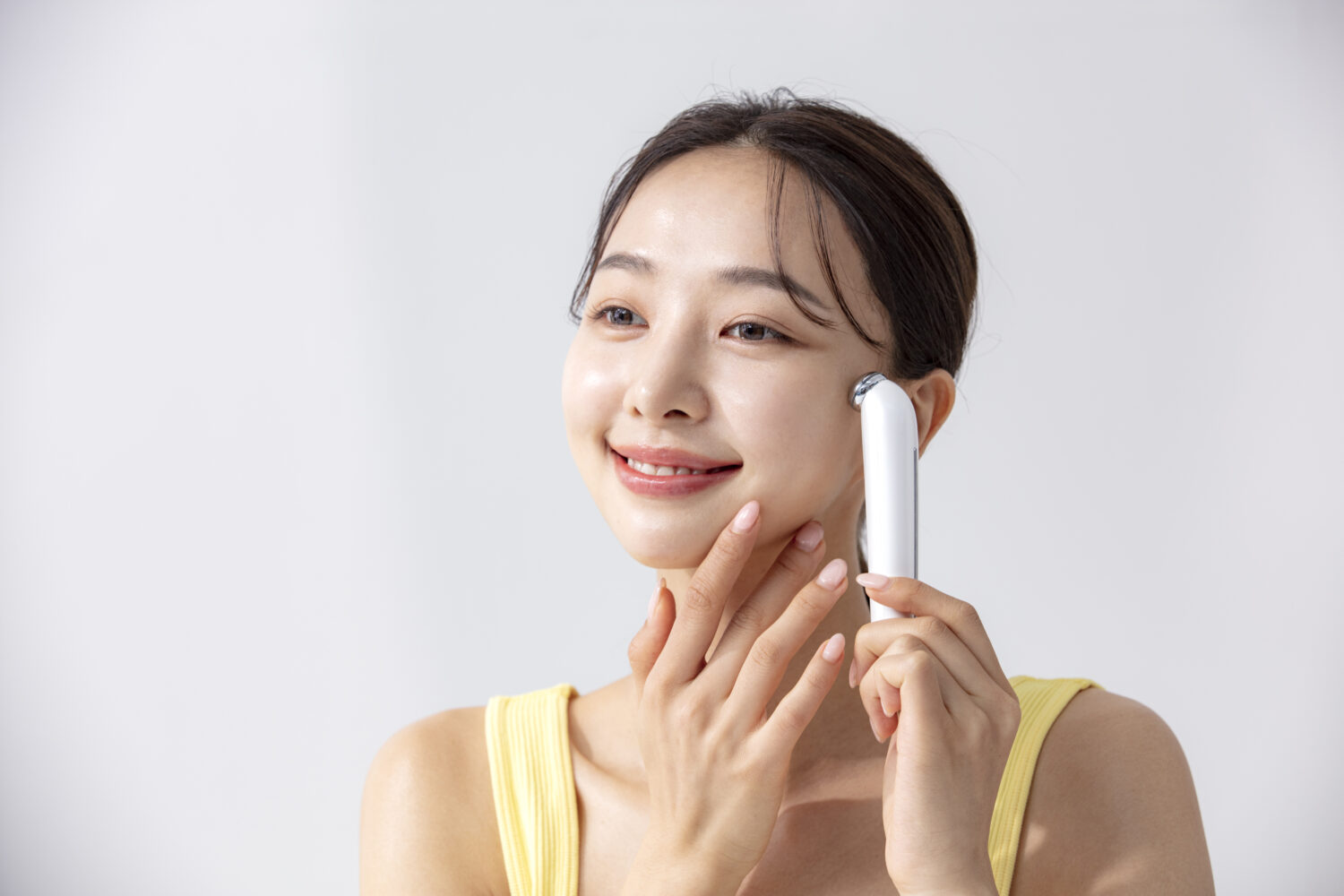
The underlying technology powering at-home devices is evolving rapidly. High-intensity ultrasound targets the fascial layer to restore skin elasticity, while radio frequency (RF) promotes collagen remodeling to reduce wrinkles. LED light therapies soothe inflammation, acne, and redness, alongside microcurrent and electroporation (EP) technologies that enhance skin absorption.
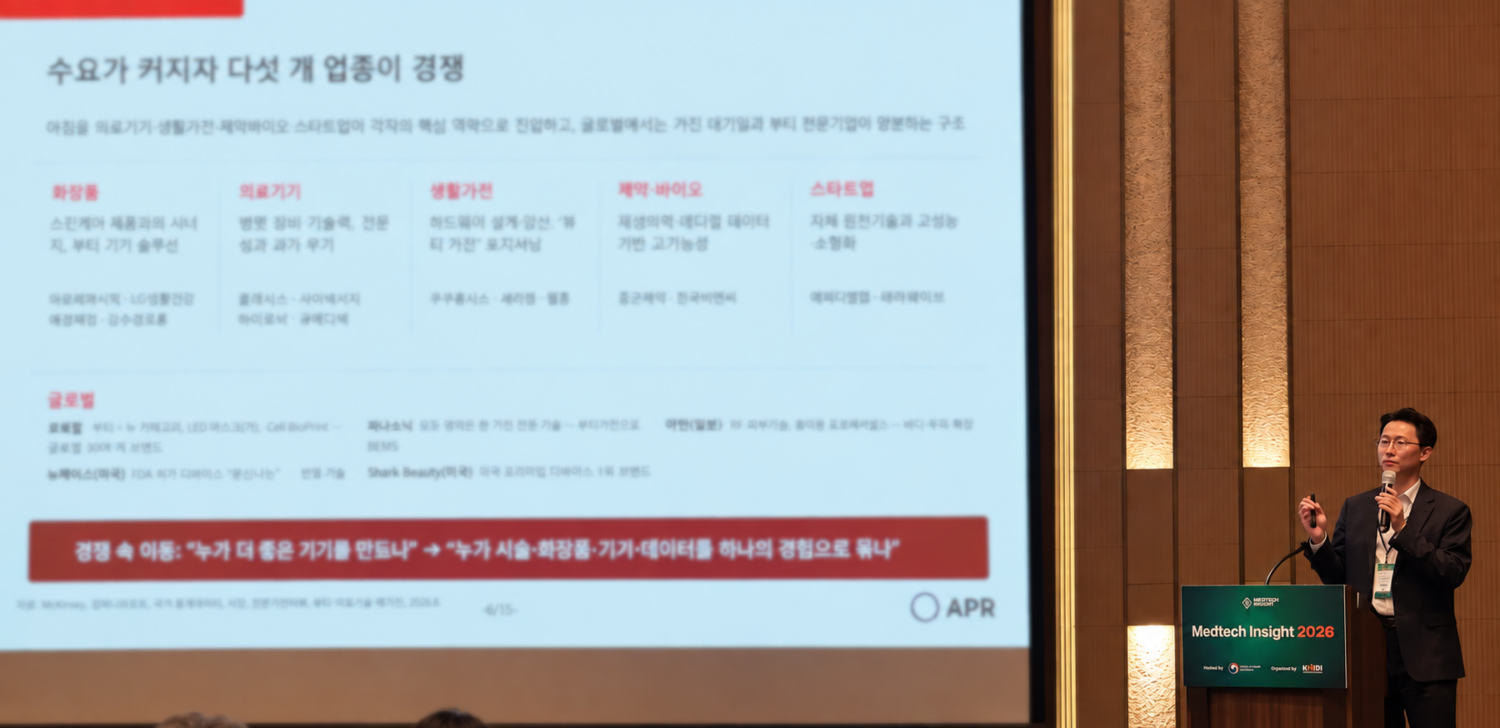
Rather than relying on single-function devices, the market is shifting toward multi-functional units that combine multiple energy sources. Consequently, industry boundaries are blurring, drawing cosmetics brands, medical device manufacturers, consumer electronics companies, biotech firms, and tech startups into the space. "Competition is moving beyond a hardware specification race toward product ecosystems that fuse energy technology, software, and data," Shin emphasized.
Overseas Sales Drive APR’s Growth Ecosystem
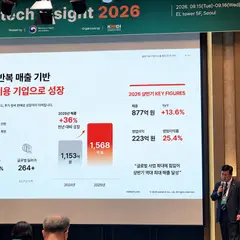
Shin cited APR’s rapid global expansion as a primary example of this evolving business model. In the second quarter of this year, APR recorded revenue of 367.9 billion won—a 134.2% year-over-year surge—while operating profit skyrocketed over 200% to 84.6 billion won. Notably, 92% of total revenue originated from overseas markets, with Q2 revenue climbing 264.6% in North America and 380.3% in Europe. Cumulative global sales of APR’s flagship Medicube AGE-R device line surpassed 6 million units as of January this year.
Shin emphasized that beauty devices should not be viewed merely as one-off hardware sales. Instead, the device functions as an "anchor product" that draws consumers into the brand ecosystem, establishing ongoing touchpoints that drive repeat purchases of dedicated gels, serums, and complementary cosmetics.
The Next Horizon: AI-Powered Personalization
The next technological leap lies in AI-driven hyper-personalization. While current devices focus primarily on delivering energy—such as ultrasound, RF, or LED—to the skin, future iterations will actively diagnose skin conditions and adjust routines in real time.
Under this model, AI utilizes cameras or sensors to evaluate pore size, wrinkle depth, pigmentation, and moisture levels. It then recommends optimal products, automatically adjusts device intensity and treatment areas, and refines future routines as usage data accumulates.
Shin noted that international beauty-tech companies implementing AI skin analysis have reported higher customer conversion and repurchase rates. However, because measurement criteria and service formats vary by brand, these individual results cannot yet be generalized across the entire industry.
Building a Complete Care Routine
Ultimately, success in the next phase of K-beauty will require more than delivering standalone products. The market is shifting toward holistic, data-driven personalized routines that diagnose, treat, and track long-term skin health.
For South Korean beauty firms expanding internationally, Shin advised moving beyond simple product exports to designing comprehensive routine structures from the outset. "Companies must clearly identify target customers with specific skin concerns and build a business model that pairs a flagship device with dedicated ampoules and cosmetics," Shin said. "To maintain a competitive edge abroad, the strategy should start with hardware, generate recurring revenue through cosmetics, and secure the ecosystem through proprietary data."