Soy sauce, doenjang (fermented soybean paste), and gochujang (fermented red chili paste) have long been daily staples on Korean dining tables. Today, collectively known as jang, these traditional fermented pastes and sauces are drawing intense interest from the global culinary world. Renowned international chefs are traveling to South Korea to taste jang firsthand and integrate its complex flavors into their own kitchens.
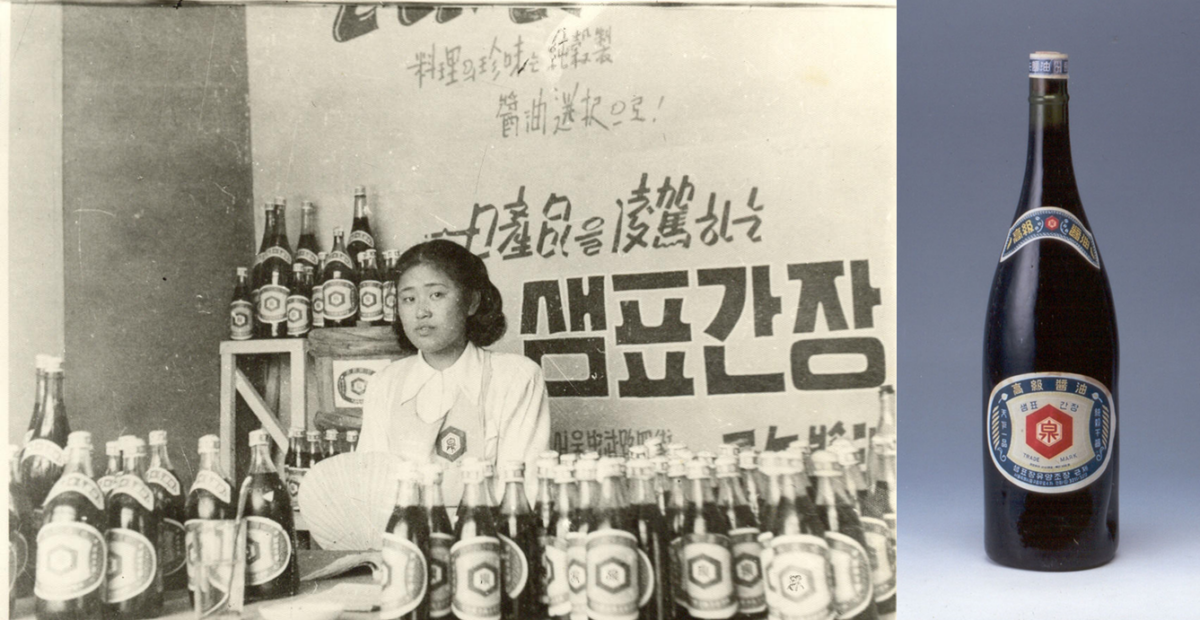
Much of this international focus centers on Sempio, South Korea's leading producer of fermented foods, which marks its 80th anniversary this year. Founded in 1946 shortly after Korea's liberation, Sempio has produced jang under its founder's steadfast guiding principle: "We will never make or sell anything our own family cannot eat." After eight decades as a fixture in Korean homes, Sempio’s products are expanding their reach as K-food spreads globally, emerging as a foundational building block for culinary innovation worldwide.
From Korean Pantries to Michelin-Starred Kitchens
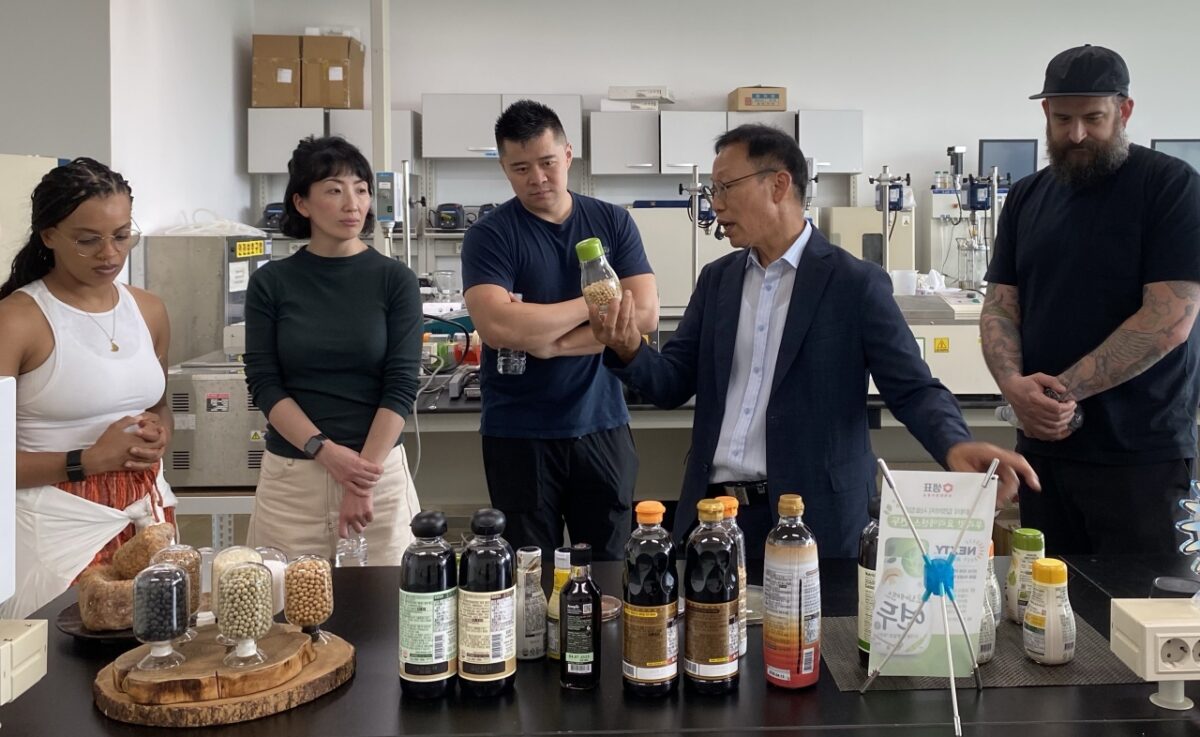
A prominent group of chefs operating top-tier restaurants across the United States recently visited Sempio’s Woori Fermentation Research Center in Osong, North Chungcheong Province. The visiting delegation included Richard Lee, executive chef of San Francisco’s two-Michelin-starred Saison; Fariyal Abdullahi, executive chef of Hav & Mar in New York; Genie Kwon, co-owner and chef of Kasama in Chicago—the world’s first Michelin-starred Filipino restaurant—and Joshua Pinsky, former executive chef for Momofuku who currently operates Claud and Penny in New York.
The visit originated from enthusiastic recommendations by culinary peers who toured the facility last year, highlighting a shift in global interest from finished Korean dishes to the underlying fermentation processes that define their depth. During the tour, the chefs sampled Clear Joseon Soy Sauce, Brewed Soy Sauce 801, doenjang, gochujang, and various rice fermentates to examine how flavors evolve depending on raw ingredients and fermentation techniques. They also exchanged ideas on ingredient pairings and ways to incorporate jang into non-Korean menu items.
Redefining Traditional Sauces as Global Ingredients
The global culinary community's focus on Korean jang stems from its multidimensional taste profile developed through natural fermentation. As soybeans mature, complex amino acids form, providing a deep, natural umami that extends far beyond simple saltiness. Rather than treating soy sauce, doenjang, and gochujang merely as regional seasonings, chefs increasingly view them as versatile "fermentation ingredients" applicable across diverse culinary styles.
Sempio has continuously broadened its fermentation research rooted in traditional techniques. Key innovations include Yeondu, a plant-based cooking essence derived from fermented soybeans; organic gochujang that lowers sodium and heat while preserving deep savory flavor; and pea soy sauce, which ferments yellow peas instead of soybeans to replicate soy sauce’s rich aroma and profile for consumers with soy allergies.
Beyond culinary versatility, the health and nutritional value of fermented jang is gaining wider recognition. During fermentation, soybean isoflavones convert into forms that are more easily absorbed by the human body, with ongoing research highlighting the metabolic benefits of consuming fermented soybean foods.
"Seeing world-renowned chefs visit our research institute to engage in deep discussions despite their busy schedules demonstrates that global interest in Korean jang and fermentation has reached a new level," said a Sempio official. "We will continue collaborating with culinary experts worldwide to broadly communicate the culinary and health value of Korean fermentation."