As September arrives, the harvest season begins for lotus root, the underground stem (rhizome) of the lotus plant. Reaching its peak quality from autumn through winter, lotus root is a staple on home tables. Best known for maintaining its signature crunch even after cooking, it offers a balanced nutritional profile rich in dietary fiber, potassium, and vitamin C.
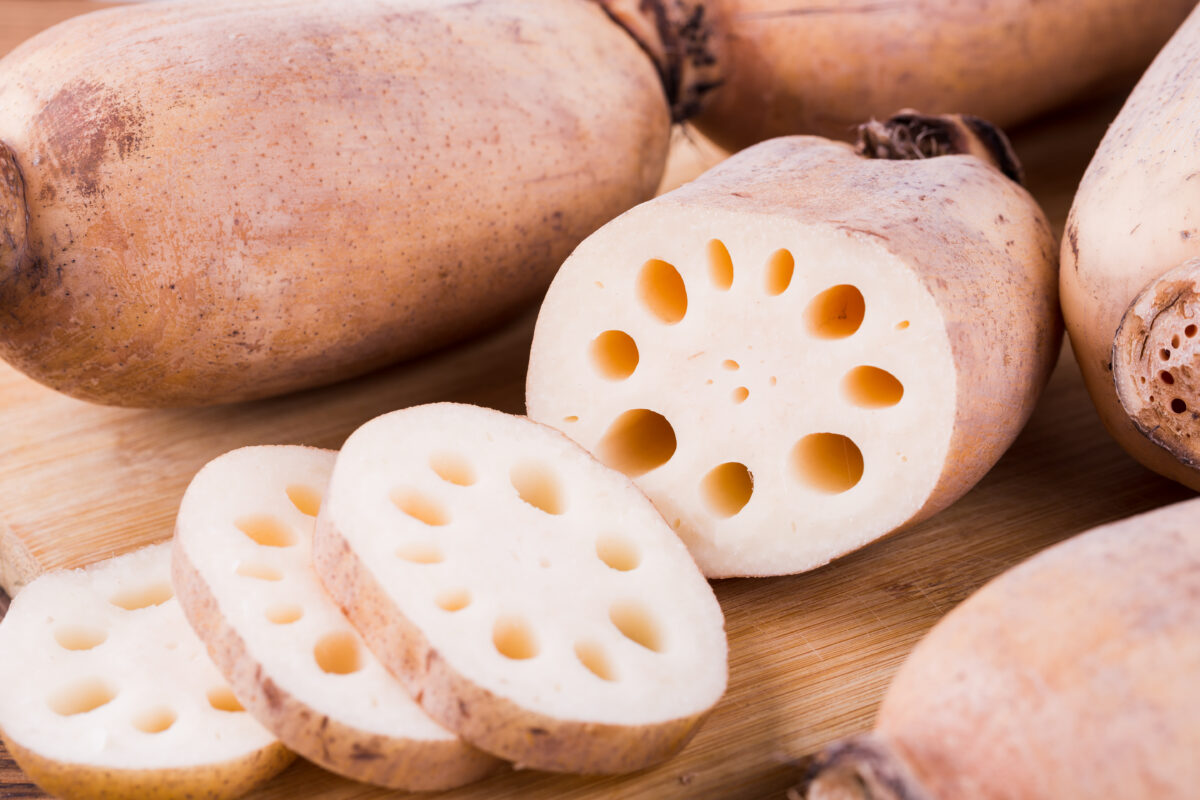
Though often confused with the plant's actual roots, lotus root is a modified stem. When sliced crosswise, it reveals a distinctive pattern of symmetrical air channels. According to data from NongSikPum Information Nuri, a food and agriculture portal operated by South Korea’s Ministry of Agriculture, Food and Rural Affairs, 100 grams of raw lotus root contains 2.4 grams of dietary fiber. Fiber promotes intestinal motility and supports overall gut health when consumed regularly with adequate water.
A Surprising Source of Potassium and Vitamin C
Lotus root is also a valuable source of potassium, containing 377 mg per 100 grams—nearly matching the potassium content of raw sweet potatoes (429 mg per 100 grams). Potassium aids the body in excreting excess sodium, making it a critical nutrient for blood pressure management.
In addition, lotus root provides 57 mg of vitamin C per 100 grams, roughly double the amount found in a satsuma mandarin (29 mg per 100 grams). Vitamin C protects cells against reactive oxygen species, supports connective tissue formation, and enhances dietary iron absorption.
Rethinking Soy-Braised Lotus Root for Cardiovascular Health
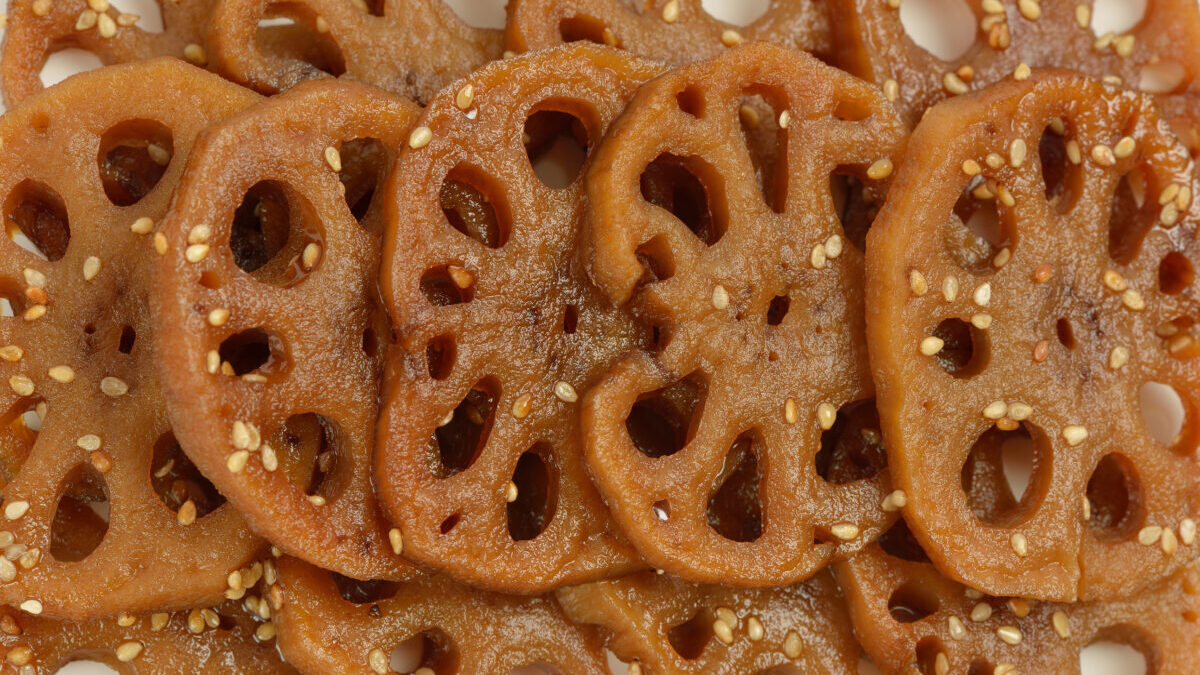
In traditional home cooking, lotus root is most commonly served soy-braised (yeongeun-jorim). Simmering thin slices in a soy sauce glaze creates a sweet-and-salty side dish that pairs well with rice. However, standard preparations rely heavily on soy sauce, sugar, and starch or oligosaccharide syrups.
Excessive sodium intake from heavy soy sauce glazes can undercut the natural blood-pressure benefits provided by the root's potassium. To preserve savory depth while reducing salt and sugar, cooks can simmer the root in a rich broth made from kelp or dried shiitake mushrooms rather than leaning solely on soy sauce and syrup.
Beyond Braising: Versatile Autumn Preparation
Lotus root’s crisp texture makes it versatile across a variety of cooking methods:
Pan-Fried Pancakes (Jeon): Thinly sliced rounds coated in batter and pan-fried until golden offer a crisp exterior and chewy center. Slices can also be stuffed with minced meat or tofu for a more substantial dish.
Fresh Salads: Lightly blanched slices tossed with lettuce or baby greens and dressed with a nutty perilla or sesame sauce yield a refreshing side dish. High-sugar dressings or heavy mayonnaise should be used sparingly.
Nutrient-Dense Rice: Cooking bite-sized pieces directly with rice adds a pleasant chew and clean flavor without requiring added seasonings.
Quick Stir-Fries and Pickles: Thinly sliced lotus root can also be quickly stir-fried or tossed in a light vinegar dressing for a tangy side.