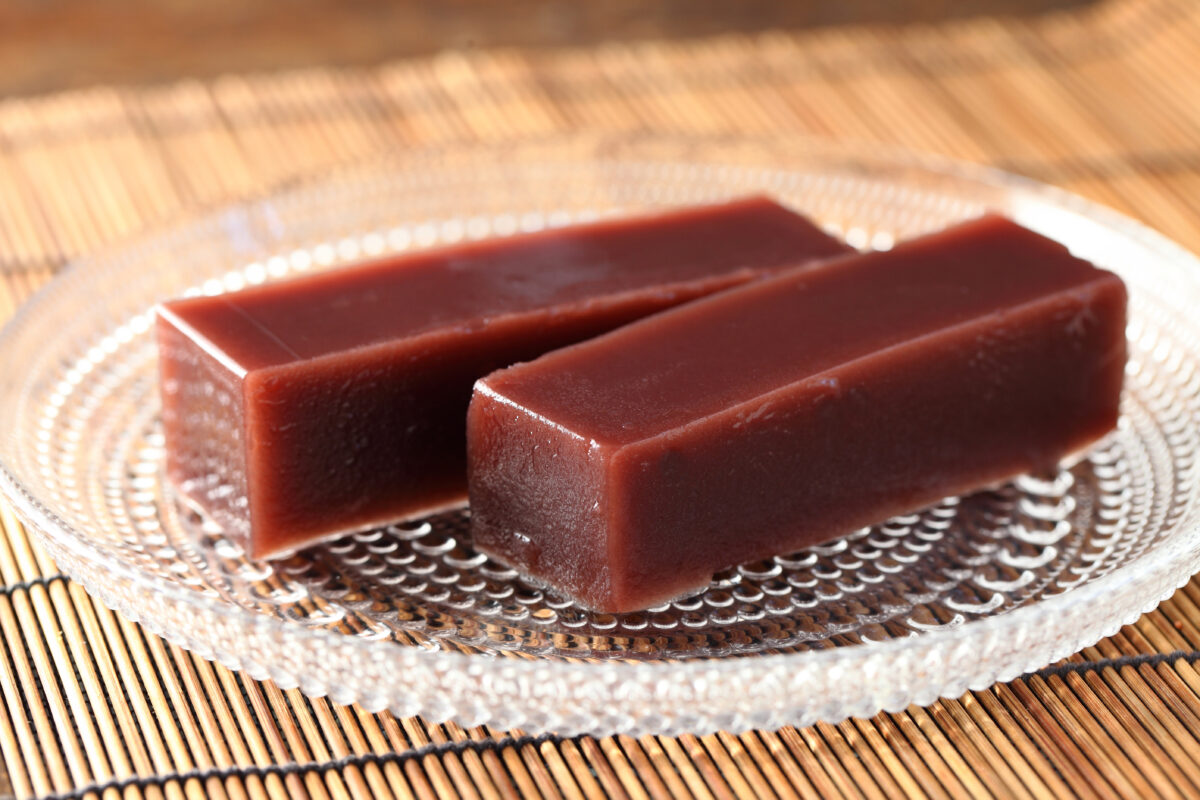
As early fall temperatures invite outdoor enthusiasts back to the trails, hikers are reaching for familiar trail snacks. Among the most popular is yokan, a sweet red bean jelly bar. Portable and dense, yokan is often perceived as a healthier alternative to chocolate or candy because of its legume base. While its intense sweetness offers a swift energy boost during exhaustive climbs, health experts warn that unmonitored consumption can lead to unexpected sugar and calorie overload.
A Processed Confection, Not Just Red Beans
Though red beans naturally contain plant protein and dietary fiber, yokan is categorized as a confection under Ministry of Food and Drug Safety guidelines. During manufacturing, sweetened red bean paste is combined with refined sugar, starch syrup, glucose, oligosaccharides, and gelling agents like agar to create its signature firm, smooth texture.
Consequently, the nutritional benefits of whole red beans are largely offset by added sugars. Nutrition labels for commercial yokan products reveal that a single 50- to 55-gram bar typically contains 24 to 27 grams of sugar and 34 to 38 grams of carbohydrates. Consuming just one bar delivers the equivalent of six to seven teaspoons of sugar.

Cumulative Sugars Can Exceed a Bowl of Rice
Eating multiple bars during a trek causes sugar and calorie totals to surge rapidly. Three yokan bars deliver 81 grams of sugar, 480 calories, and 114 grams of carbohydrates—surpassing the carbohydrate and calorie content of a standard 210-gram bowl of white rice (300 calories and 66.6 grams of carbohydrates).
Pairing yokan with other traditional trail foods—such as gimbap at the summit, followed by pajeon (scallion pancakes) and makgeolli (unfiltered rice wine) after descending—compounds total calorie, sodium, and sugar intake. Because yokan contains simple sugars that absorb rapidly with minimal fat or protein to slow digestion, large portions can trigger rapid blood sugar spikes, posing specific risks for individuals with prediabetes or diabetes.

Tailoring Consumption to Hike Duration and Intensity
Despite these risks, yokan remains an effective rapid-refueling option for strenuous, prolonged treks where muscle glycogen levels become depleted. The key lies in matching intake to exertion levels.
For light, one- to two-hour hikes, extra carbohydrate supplementation is usually unnecessary. On extended climbs, hikers should split a single bar into small portions or opt for mini-sized versions. Additionally, pairing yokan with plain water or unsweetened tea—rather than sugary sports drinks or sweetened coffee—helps keep total sugar accumulation under control.