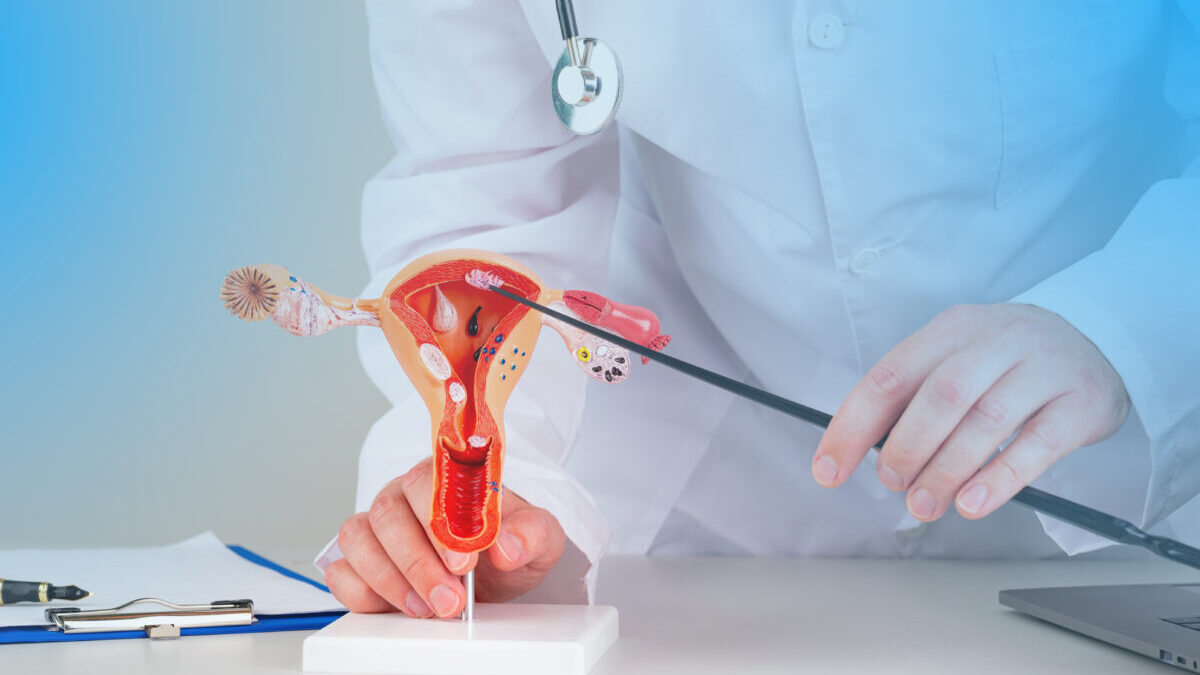
Endometriosis frequently recurs following surgical intervention, requiring long-term clinical management that extends beyond immediate symptom control to prioritize future pregnancy plans and fertility preservation, according to medical experts.
Lee Dong-yoon, a professor of obstetrics and gynecology at Samsung Medical Center, outlined long-term management strategies, approaches for deep infiltrating endometriosis, and postoperative care during the Bayer Women’s Symposium, hosted by Bayer Korea on Aug. 27 at the Shilla Hotel in Seoul.
Diagnostic Surge and Disease Mechanisms
"Endometriosis affects approximately 10% of women of reproductive age, and the number of diagnosed patients in South Korea rose significantly from 56,868 in 2019 to 94,473 in 2024," Lee said. "Given that 30% to 50% of women with infertility have endometriosis, treatment must move beyond simple pain relief to establish long-term strategies that factor in future pregnancy goals and fertility preservation."
Endometriosis is a chronic condition in which tissue resembling the lining of the uterus grows outside the uterine cavity—such as on the ovaries, fallopian tubes, and peritoneum—leading to inflammation and tissue adhesions. While the exact cause remains unconfirmed, proposed mechanisms include retrograde menstruation—where menstrual blood flows backward through the fallopian tubes into the pelvic cavity—alongside genetic, immunological, hormonal, and inflammatory factors.
Primary symptoms include severe menstrual cramps and chronic pelvic pain. Depending on lesion location, patients may experience pain during intercourse, bowel movements, or urination. The disease is also closely linked to infertility, though severe lesions can sometimes develop asymptomatically, making symptom severity an unreliable indicator of disease progression.
The condition is classified into three main types based on lesion location and depth: superficial peritoneal endometriosis, ovarian endometrioma (cysts formed on the ovaries), and deep infiltrating endometriosis, which penetrates deep beneath the peritoneum or invades adjacent organs such as the bowel, bladder, and ureters.
Surgical Limits and Recurrence Risks
Treatment options include medical therapy and surgical intervention, selected according to patient age, symptom severity, lesion extent, and reproductive goals. Medication, primarily hormone therapy, aims to relieve pain and suppress lesion growth and recurrence. Surgery is indicated when medication fails or when lesion size and organ involvement necessitate physical removal.
Surgical procedures are typically performed laparoscopically to excise extrauterine lesions and separate adherent tissues. For ovarian endometrioma, surgeons aim to remove the cyst while preserving maximum healthy ovarian tissue. However, experts urge caution regarding repeat operations for women desiring future pregnancy, as recurrent surgeries can damage healthy tissue and reduce ovarian reserve.
"Endometriosis carries a high risk of recurrence, with rates reaching 21.5% within two years of surgery and 40% to 50% within five years," Lee noted, emphasizing that second surgeries require heightened deliberation due to their impact on fertility. He urged continuous disease management through long-term hormone therapy alongside fertility preservation planning.
Postoperative management is particularly vital for deep infiltrating endometriosis. "Deep infiltrating endometriosis presents a high risk of recurrence if hormone therapy is omitted after surgery," Lee explained. "The Endometriosis Society’s 2024 clinical practice guidelines recommend long-term postoperative hormone therapy to prevent recurrence." Clinical studies support this guidance, demonstrating that sustained hormone therapy significantly reduces pain and recurrence rates compared to surgery alone without follow-up medication.
"Endometriosis treatment does not conclude with surgery," Lee said. "It is essential to establish a long-term care strategy following surgery that comprehensively accounts for a patient's fertility, future pregnancy plans, and recurrence risk."