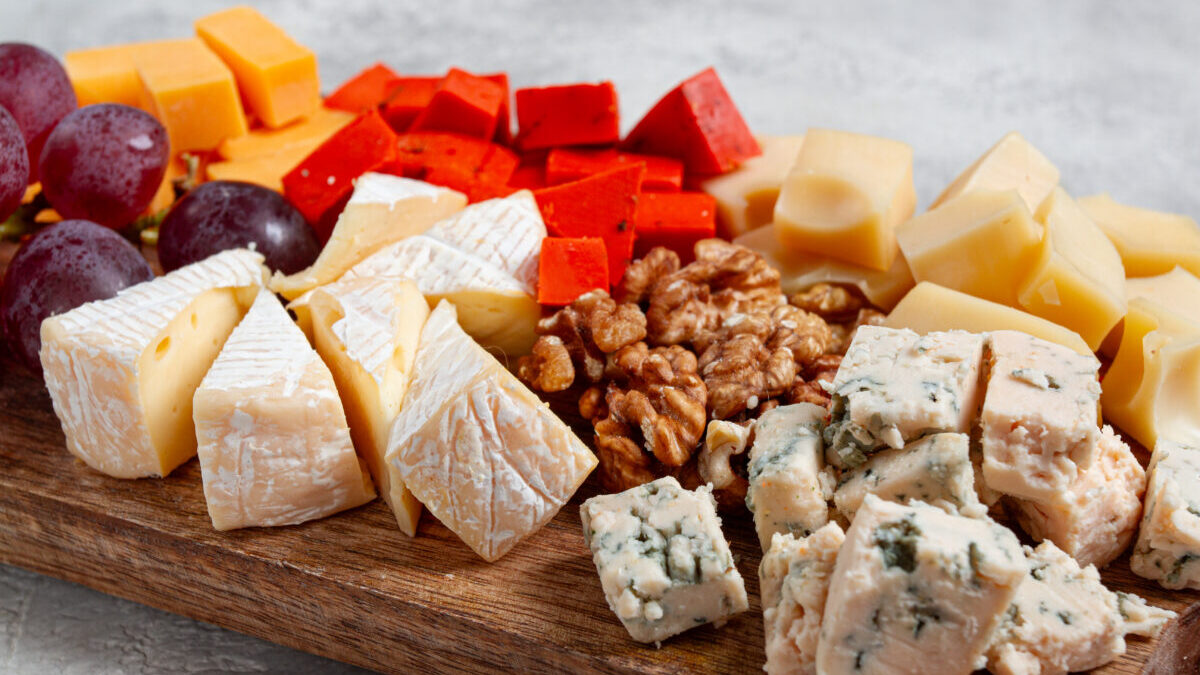
Low-carbohydrate, high-fat (LCHF) diets—often referred to as "keto" eating—have maintained widespread popularity among dieters for years. By drastically reducing carbohydrates like rice, bread, and noodles, this approach replaces them with foods higher in protein and fat, such as meat, eggs, cheese, and nuts.
While restricting carbohydrates can lead to initial weight loss, consuming unlimited amounts of high-fat foods often backfires, resulting in unexpected weight gain. Fat provides 9 calories per gram—more than double the energy density of carbohydrates or protein, which each contain 4 calories per gram.
According to dietary guidance from the Korea Disease Control and Prevention Agency (KDCA), effective weight management should not rely on cutting carbohydrates indiscriminately or consuming excessive dietary fats. Continuously choosing snacks that are low in carbs but packed with calories and sodium can increase visceral belly fat and elevate blood pressure.
Cheese and Nuts: A High-Calorie Combination
Cheese and nuts are staples of the LCHF lifestyle. Cheese is low in carbohydrates while providing protein and calcium, whereas nuts supply dietary fiber, protein, and healthy unsaturated fats that promote satiety. However, both options are exceptionally energy-dense.
While exact values vary by product, a single slice of cheese contains roughly 60 to 80 calories, and a single handful of nuts (25 to 30 grams) packs 150 to 200 calories. Consuming two slices of cheese alongside a handful of nuts adds 270 to 360 calories. Even on a low-carb diet, adding these extra calories between meals can easily stall weight loss.
To enjoy these snacks healthfully, portion control is essential. For example, pair a single slice of cheese with half a handful of nuts, or portion out a measured 20 to 25 grams of nuts into a small bowl rather than eating directly from the bag.
Tracking cumulative snack calories throughout the day is equally vital. Drinking butter coffee ("bulletproof coffee") in the morning, snacking on cheese and nuts in the afternoon, and spreading peanut butter on low-carb crackers in the evening can quietly create a significant caloric surplus. Low-carb does not automatically mean low-calorie.
Processed Protein Snacks: Mind the Sodium in Jerky and Sausages
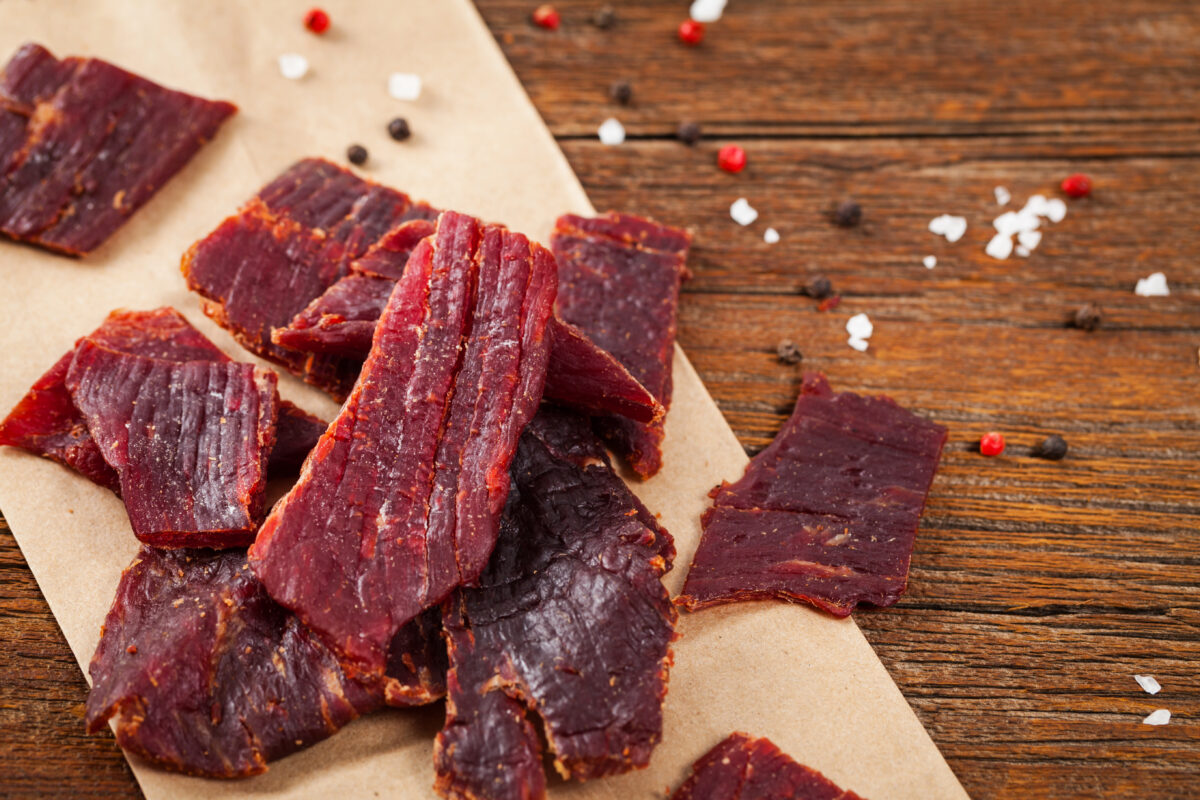
Beef jerky and sausages are frequently favored as convenient, high-protein, low-carb snacks. However, because these are processed meats prepared with salt and seasonings, their sodium levels warrant close attention. Additionally, some commercial products contain hidden sugars, corn syrup, or starches, altering their carbohydrate profile.
Beef jerky is typically seasoned with soy sauce and salt after dehydration, while sausages undergo salting during manufacturing and often contain flavor enhancers. Selecting cheese-stuffed sausages or using savory dipping sauces drives sodium intake even higher.
Excessive sodium consumption raises blood pressure. When sodium levels in the body increase, water is drawn into the bloodstream, increasing blood volume and placing greater physical pressure on arterial walls. The World Health Organization (WHO) recommends limiting daily adult sodium intake to under 2,000 milligrams.
Because jerky is easy to graze on, consumption can quickly exceed intended serving sizes. A survey by the Korea Consumer Agency (KCA) analyzing 18 commercial jerky products revealed significant sodium variations, ranging from 117 mg to 248 mg per reference 15-gram serving.
Scaled to a standard 30-gram small pack, sodium content reaches 234 mg to 496 mg—representing 12% to 25% of the WHO’s recommended daily 2,000 mg limit from a single snack. When combined with regular meals or other salty foods like cheese, daily sodium levels can spike considerably.
When purchasing jerky, opt for low-sodium, low-sugar varieties, and limit sausage portions while pairing them with fresh vegetables. Rather than consuming salted processed meats daily, rotate snack options with minimally seasoned protein sources such as hard-boiled eggs, chicken breast, or tofu.