
Hollywood star Scarlett Johansson, 41, has long drawn attention for her approach to health and wellness.
Johansson—widely recognized by audiences in South Korea and around the world for playing Black Widow in Marvel’s Avengers franchise—has consistently cited adequate sleep as central to her appearance. She also revealed that she takes a daily magnesium supplement to support restful sleep. Her nightly routine recently gained renewed attention after international outlets, including the Daily Mail, highlighted her health and beauty habits.
Having launched her acting career as a child before establishing herself as a leading Hollywood star, Johansson has delivered memorable performances in films such as Lost in Translation, Her, Lucy, Marriage Story, and Jojo Rabbit. Throughout her demanding career, she has maintained her health while balancing marriage, motherhood, and running her own skincare brand.
Does Magnesium Actually Improve Sleep Quality?
In interviews with U.S. lifestyle publications The Zoe Report and Air Mail, Johansson shared her nightly routine: “I take magnesium at night. It seems to help with deep sleep and physical recovery.” She noted that she also experimented with a topical magnesium spray on the soles of her feet, but discontinued its use after it dried out her skin.
Magnesium is an essential mineral involved in more than 300 biochemical reactions in the human body, including muscle and nerve regulation, blood glucose control, blood pressure management, and protein and DNA synthesis. By helping to calm the nervous system and relax muscular tension, magnesium can ease mild restlessness; however, it does not function as an immediate treatment for insomnia in the way prescription sedatives do.
According to the National Center for Complementary and Integrative Health (NCCIH), clinical evidence remains insufficient to conclusively establish magnesium as a primary treatment for insomnia. While individuals like Johansson may experience subjective improvements in sleep quality, magnesium is not scientifically proven to act as a universal sleep aid for everyone.

Dosage, Timing, and Safety Guidelines
Health professionals emphasize that obtaining magnesium through dietary sources should take priority over dietary supplements. The mineral is naturally abundant in nuts, seeds, legumes, whole grains, and leafy green vegetables such as spinach.
According to the National Institutes of Health (NIH), the recommended daily allowance (RDA) for adult women is 310 to 320 mg (400 to 420 mg for men). The tolerable upper intake level (UL) for supplemental magnesium alone—excluding dietary intake—is set at 350 mg per day for adults to prevent adverse effects.
Exceeding recommended supplemental doses can cause gastrointestinal side effects, including diarrhea, nausea, and abdominal cramping. Individuals with impaired renal function should exercise heightened caution, as impaired kidneys may fail to excrete excess magnesium efficiently. Furthermore, magnesium supplements can interfere with the absorption of certain antibiotics and osteoporosis medications, making medical consultation advisable before starting a regimen.
Timing-wise, magnesium does not require a strict schedule. Taking it alongside or immediately following meals can minimize potential stomach upset. While many individuals take magnesium in the evening to encourage relaxation, there is no definitive scientific standard dictating an optimal timeframe prior to sleep.
How Sleep Impacts Skin Recovery and Aging
Sufficient sleep plays a vital role in both systemic physiological health and cutaneous repair. A 2015 clinical study conducted by researchers at Case Western Reserve University involving 60 healthy adult women demonstrated that participants who experienced good sleep quality exhibited lower markers of intrinsic skin aging and significantly faster skin barrier recovery following environmental stress compared to poor sleepers.
However, experts caution against overinterpreting these findings to mean that sleep or magnesium alone can prevent skin aging. Dermal health is dictated by a complex interplay of factors, including ultraviolet (UV) radiation exposure, genetic predisposition, smoking, alcohol consumption, and overall nutritional status.
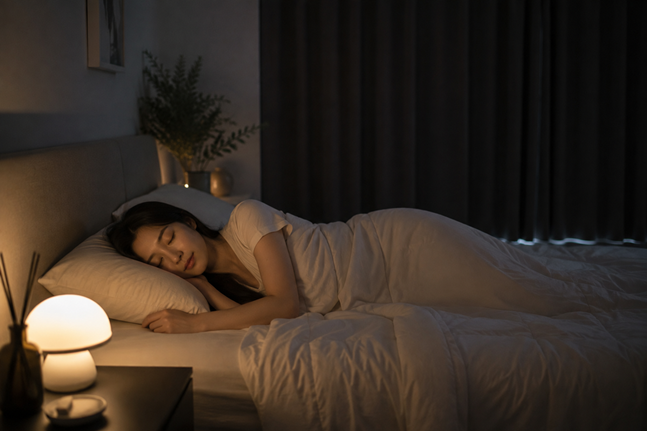
Ultimately, Johansson’s routine relies on more than a single dietary supplement. The actress has noted that she has practiced Pilates for roughly a decade and optimizes her sleeping environment by using a white-noise machine, blackout blinds, and keeping her bedroom cool, dark, and quiet. Her experience highlights that the true secret to healthy sleep and skin lies not in a single "magic pill," but in consistent, healthy lifestyle habits.