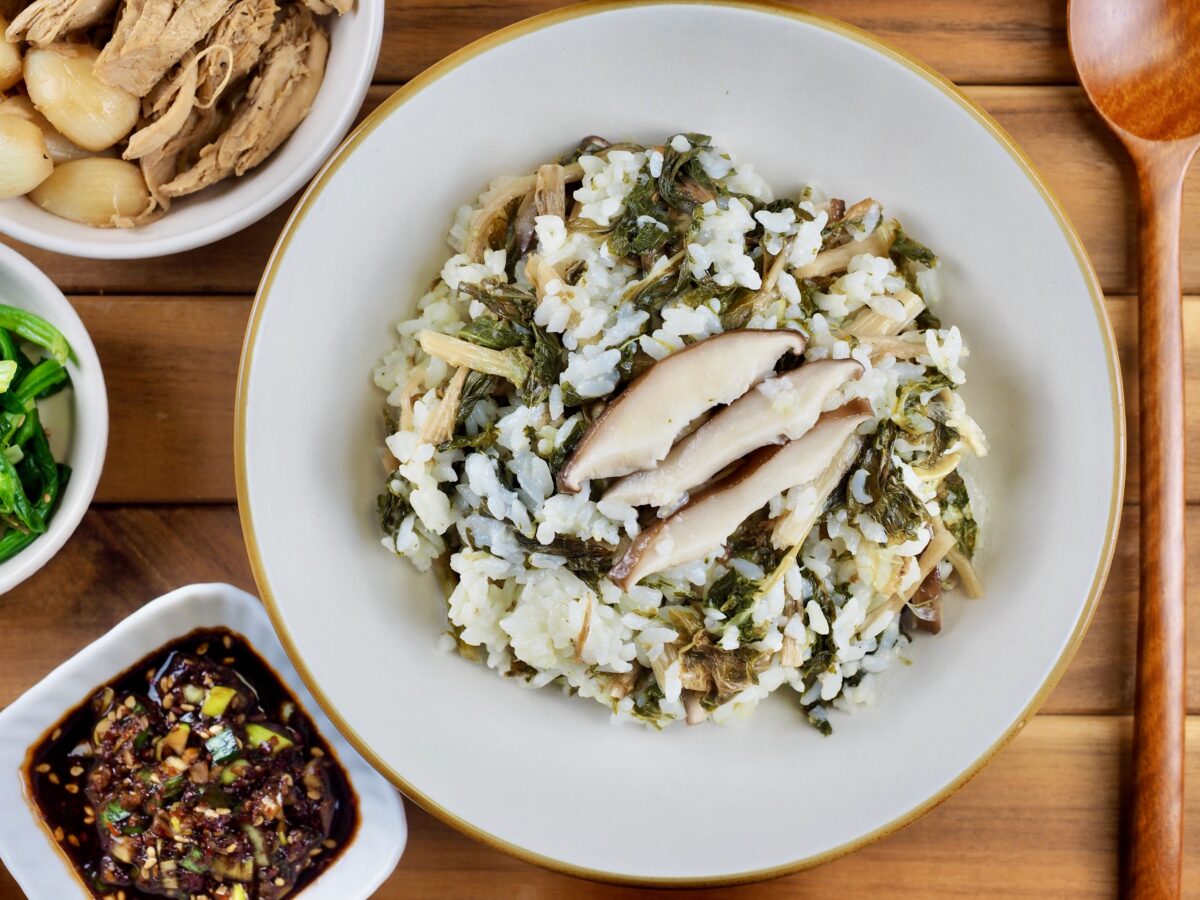
Calcium is an essential nutrient vital not only for building strong bones and teeth, but also for regulating muscle contractions, blood clotting, and nerve function. Because the body continuously excretes calcium through sweat, urine, and other pathways, it must be consumed consistently through diet. Prolonged dietary deficits force the body to leach stored calcium from the bones, weakening their structure and increasing fracture risk.
According to the Korea Disease Control and Prevention Agency’s National Health Information Portal, the recommended daily calcium intake for adults aged 19 and older is 700 to 800 mg. While milk is widely celebrated as a primary calcium source—containing roughly 210 to 226 mg per 200 mL glass—meeting the daily requirement through milk alone would require drinking three to four glasses a day.
However, dairy is far from the only dietary option. Staple Korean side dishes like perilla leaves, dried radish greens, and dried anchovies actually pack a higher calcium density per 100 grams than milk. While typical portion sizes vary, incorporating these everyday ingredients into regular meals offers a practical way to boost overall calcium intake.
Perilla Leaves: Double the Calcium of Milk by Weight
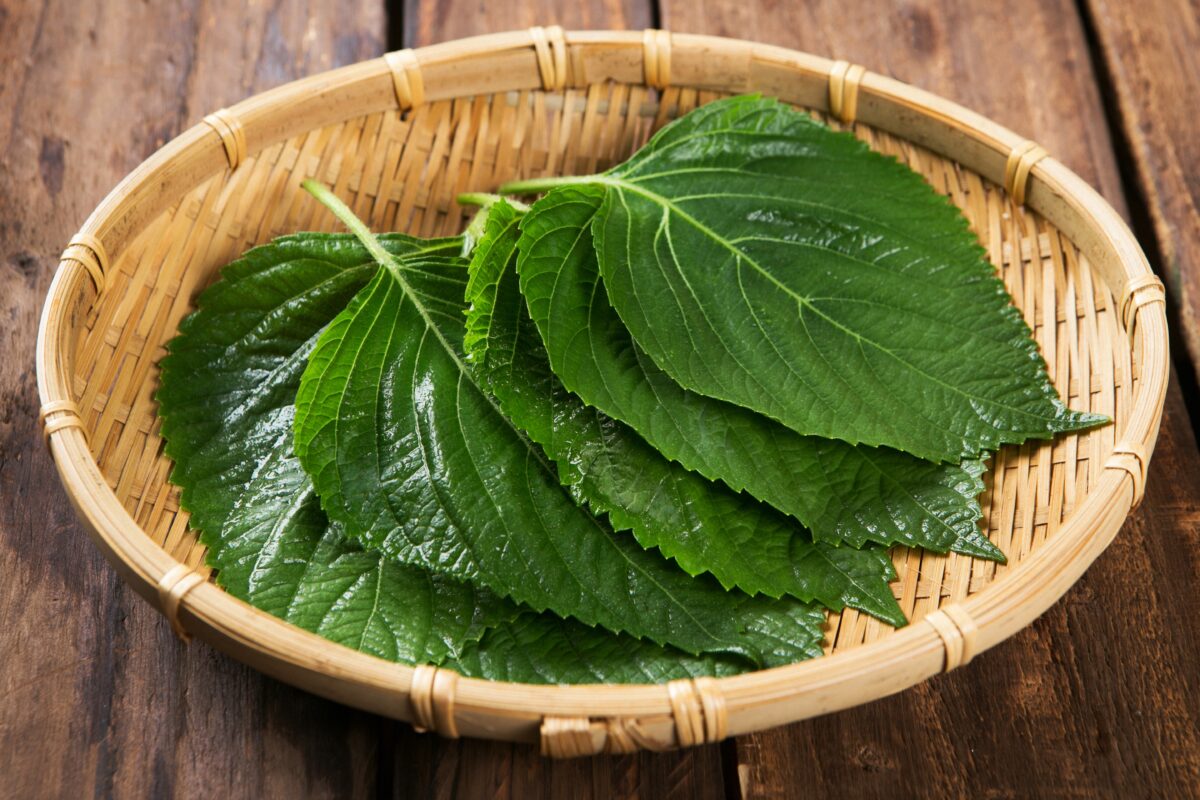
Perilla leaves (kkaennip), commonly served as fresh wrap vegetables (ssam) for grilled meats or rice, contain a surprisingly rich nutritional profile. Beyond iron and beta-carotene, raw perilla leaves provide approximately 296 mg of calcium per 100 grams, according to the National Standard Food Composition Table. Compared to milk’s 105 to 113 mg of calcium per 100 grams, perilla leaves offer more than twice the calcium content by weight.
While eating 100 grams of perilla leaves in a single sitting is unrealistic, a typical meal serving of 20 grams provides roughly 59 mg of calcium—about 7% to 8% of an adult's recommended daily intake.
Perilla leaves can easily be added to meals by shredding them over bibimbap and noodle dishes, or serving them as fresh side dishes. Nutritionists advise caution with soy sauce-marinated perilla leaves (jangajji), as high sodium levels can counteract health benefits; consuming them fresh or lightly seasoned is preferred.
Dried Radish Greens: Three Times the Calcium Concentration
Dried radish greens (siraegi), made by drying the leafy tops of radishes, are best known as a dietary fiber powerhouse. However, data from the Rural Development Administration shows that radish tops contain far higher levels of vitamin C, fiber, calcium, potassium, and folate than the radish root itself—with calcium levels reaching ten times that of the root.
Data from the Korean Nutrition Society indicates that boiled dried radish greens contain 335 mg of calcium per 100 grams—roughly three times the calcium concentration of milk. In practical culinary terms, a modest 50-gram serving of cooked siraegi delivers about 168 mg of calcium, fulfilling 21% to 24% of the daily adult requirement.
Dried radish greens are commonly used in seasoned side dishes, mixed rice, and soybean paste soups (doenjang-guk). To maximize nutritional value, culinary experts recommend keeping broth seasonings light, as heavy applications of soy sauce or fermented paste can drive up sodium intake.
Dried Anchovies: A Concentrated Mineral Source
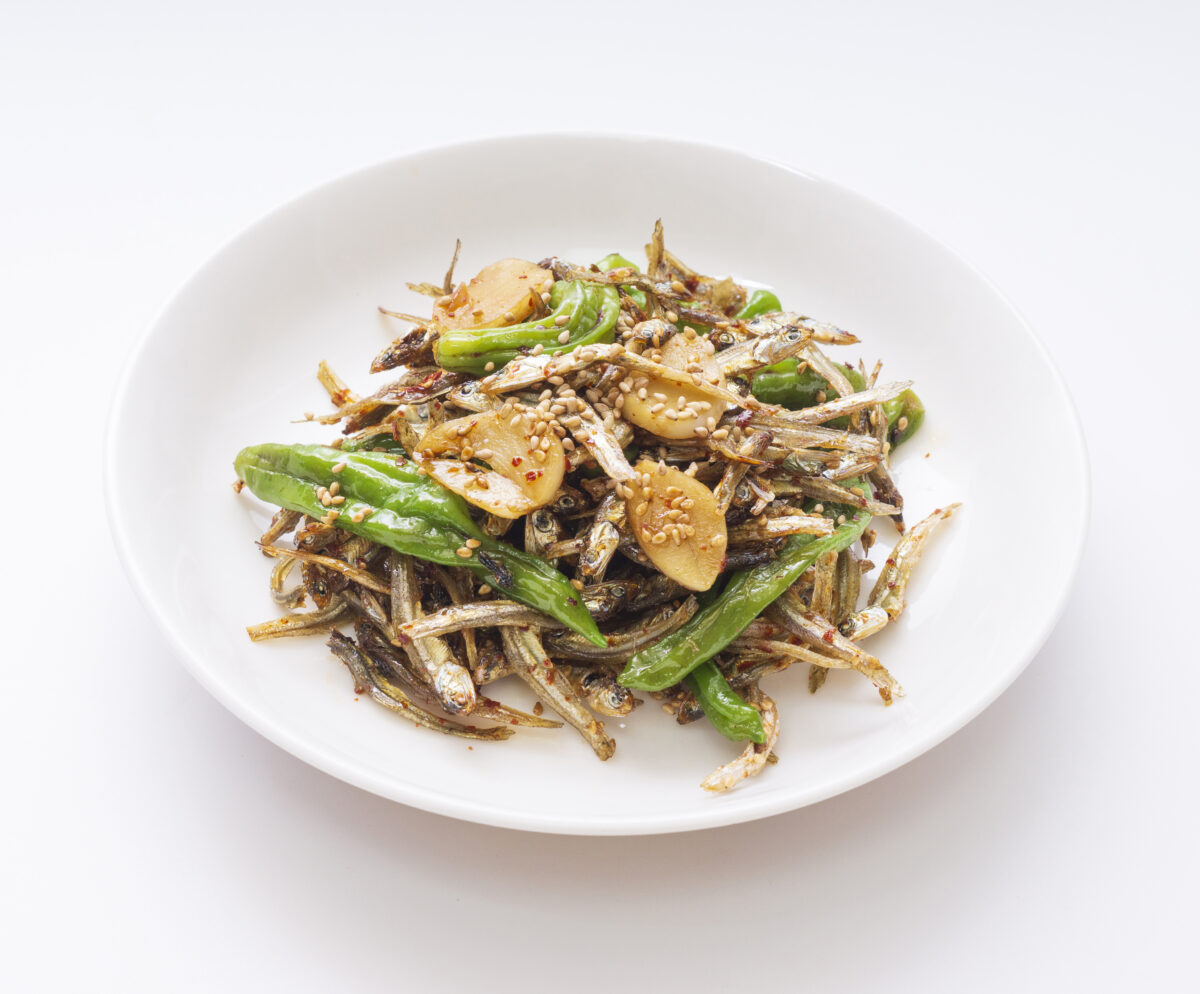
Because dried anchovies are consumed whole—including their bones—even small portions deliver substantial calcium alongside protein and phosphorus.
According to seafood nutrition data from the Ministry of Oceans and Fisheries, 100 grams of boiled and dried medium-sized anchovies contains an extraordinary 1,290 mg of calcium. Translating this to a realistic meal portion, a 10-gram side dish of stir-fried anchovies provides 129 mg of calcium—covering 16% to 18% of the daily recommended intake.
Preparation techniques play a key role in preserving their health benefits. Stir-fried anchovies (myeolchi-bokkeum) prepared with excessive soy sauce, corn syrup, or sugar can unnecessarily elevate sodium and sugar intake. Dry-roasting the anchovies in a pan first before lightly seasoning them helps bring out their natural savory flavor while keeping added sugars and sodium in check.