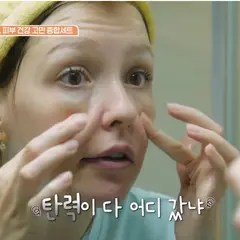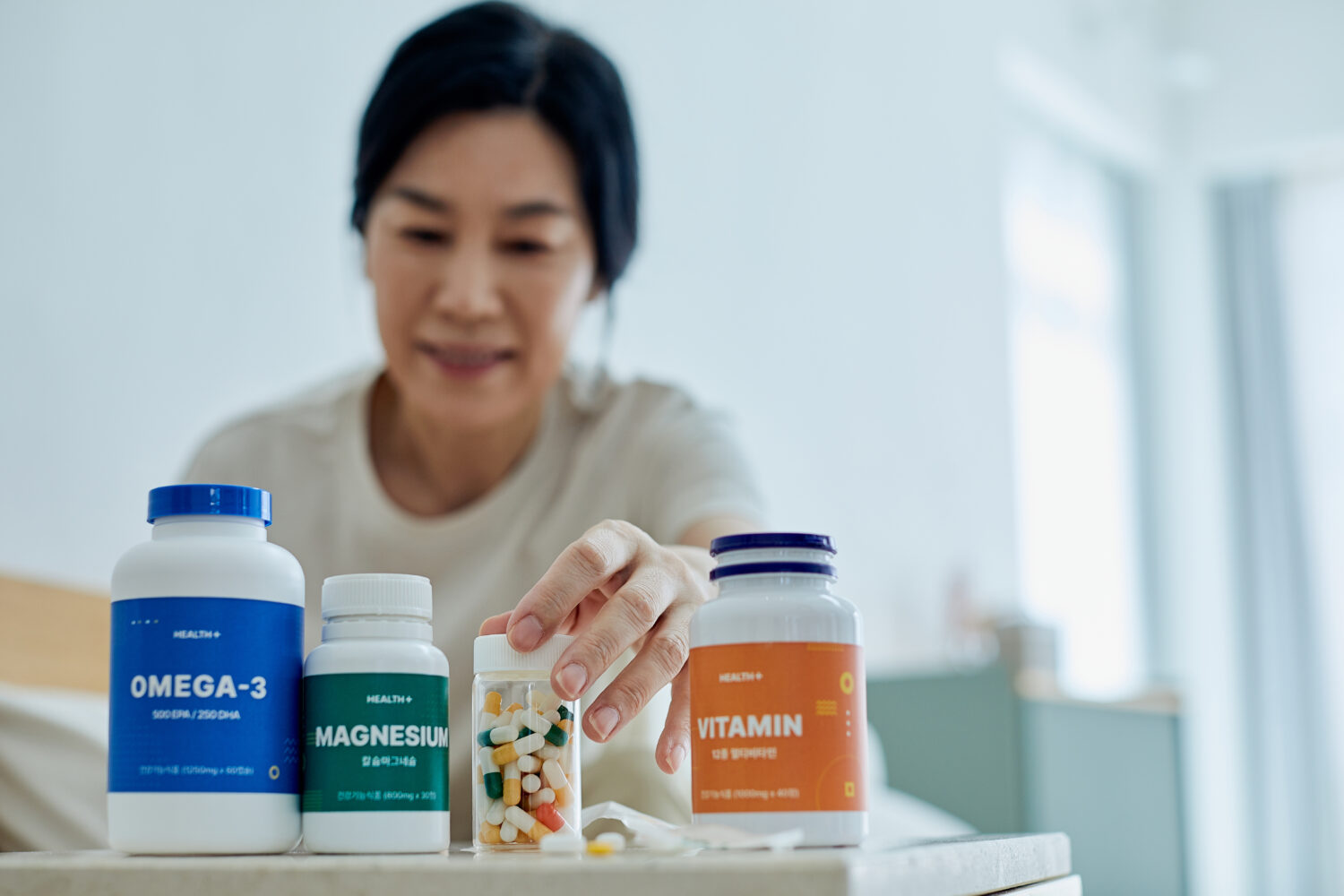
Aging is an inevitable biological process, but the rate at which it occurs is largely within individual control. While aesthetic skincare and cosmetic procedures can temporarily soften facial wrinkles, neglecting internal organ and vascular health allows biological aging to accelerate undetected. Vascular disease, metabolic dysfunction, and rising cancer risks can severely impair vitality; when chronic illness restricts mobility, surface-level cosmetics matter very little.
The World Health Organization (WHO) defines "healthy aging" as the process of developing and maintaining the functional ability that enables well-being in older age. Functional ability extends beyond the mere absence of disease—it requires minimizing the decline in physical and cognitive capacity over time. When compromised blood vessels or deteriorating joints impair daily life, overall healthy life expectancy diminishes. Ultimately, lifestyle factors like nutrition and physical activity remain the primary drivers of biological longevity.
Metabolic Stress from Sugary Foods and Snacks
Even on a low-fat diet, frequent consumption of sugary beverages and processed snacks can rapidly accelerate internal aging. High-sugar foods induce sharp blood glucose spikes, significantly elevating the risk of type 2 diabetes and dyslipidemia. Over time, these metabolic disruptions contribute to arterial damage, laying the groundwork for coronary heart disease and stroke.
Furthermore, calorie-dense, nutrient-poor sweet foods—such as refined sugar, honey, sweet red bean paste, and chocolate—displace nutrient-dense whole foods, creating systemic nutritional imbalances. Minimizing added sugar intake is vital to slowing metabolic decline.
Sarcopenia and the Danger of Muscle Loss
Age-related loss of skeletal muscle mass naturally occurs over time, but severe deficits in physical activity and dietary protein intake significantly increase the risk of sarcopenia. Muscle loss restricts day-to-day mobility, creating a biological feedback loop where decreased physical activity further accelerates systemic aging and heightens fall risks.
To preserve and rebuild functional muscle tissue, older adults require 1.0 to 1.2 grams of dietary protein per kilogram of body weight daily, distributed evenly across meals. Incorporating a balanced combination of high-quality plant-based (legumes, tofu) and animal-based (lean meats, fish, dairy) proteins optimizes muscle protein synthesis.
Physical Inactivity and Cognitive Deterioration
The WHO identifies physical inactivity as a primary risk factor for age-related chronic conditions. Sedentary behavior compromises vascular health, complicating the management of hypertension, diabetes, and dyslipidemia.
Crucially, regular physical movement is also one of the most effective interventions for preserving brain function, mitigating the risk of dementia, and maintaining cognitive vitality. Beyond physical and neurological benefits, consistent exercise alleviates social isolation, reduces depressive symptoms, and enhances overall quality of life.
Oxidative Stress and Hydration Deficits
Counteracting internal cellular aging requires a diet rich in antioxidant nutrients that suppress oxidative damage. Consuming whole grains such as brown rice, barley, and oats provides essential dietary fiber and B-complex vitamins, while healthy unsaturated fatty acids—found in nuts, perilla oil, olive oil, and fatty fish like mackerel and salmon—support cardiovascular integrity.
Additionally, age-related decline in thirst perception often leads to chronic subclinical dehydration as total body water volume decreases. Maintaining consistent daily water intake is essential for cellular hydration, tissue perfusion, and metabolic waste clearance.