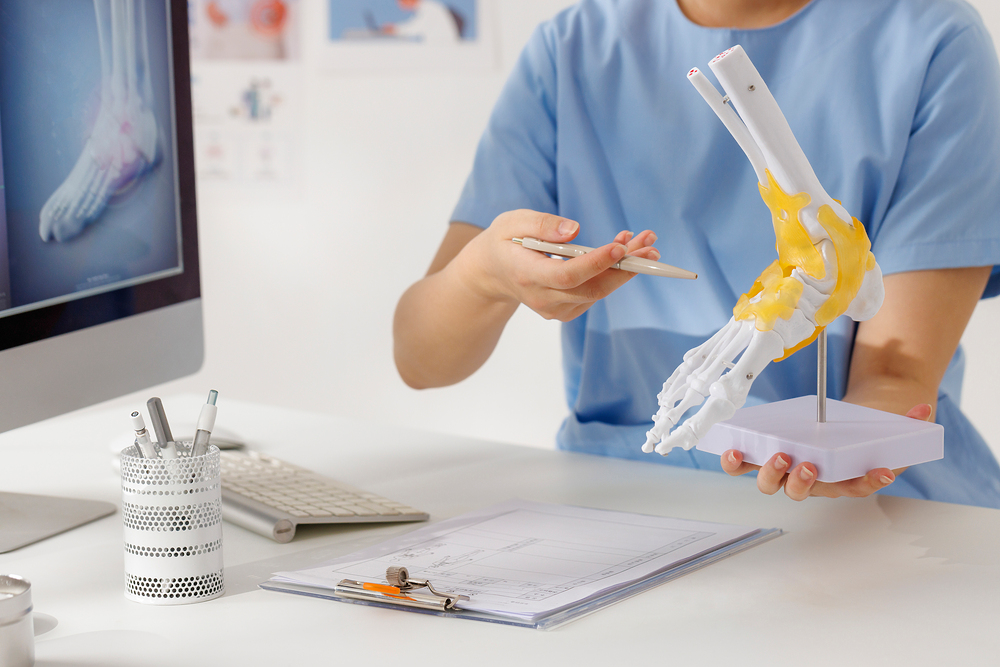
Editor’s note: In Japan’s orthopedic community, specialists use the term "locomotive syndrome" to describe a decline in mobility caused by weakening bones, joints, muscles, and nerves. The concept is widely used as a health indicator that can signal frailty and the potential need for long-term care before it becomes unavoidable. With guidance from experts, Kormedi.com is presenting a six-part series on physical warning signs that often surface first in everyday routines—such as putting on socks, climbing stairs, and crossing at a crosswalk.
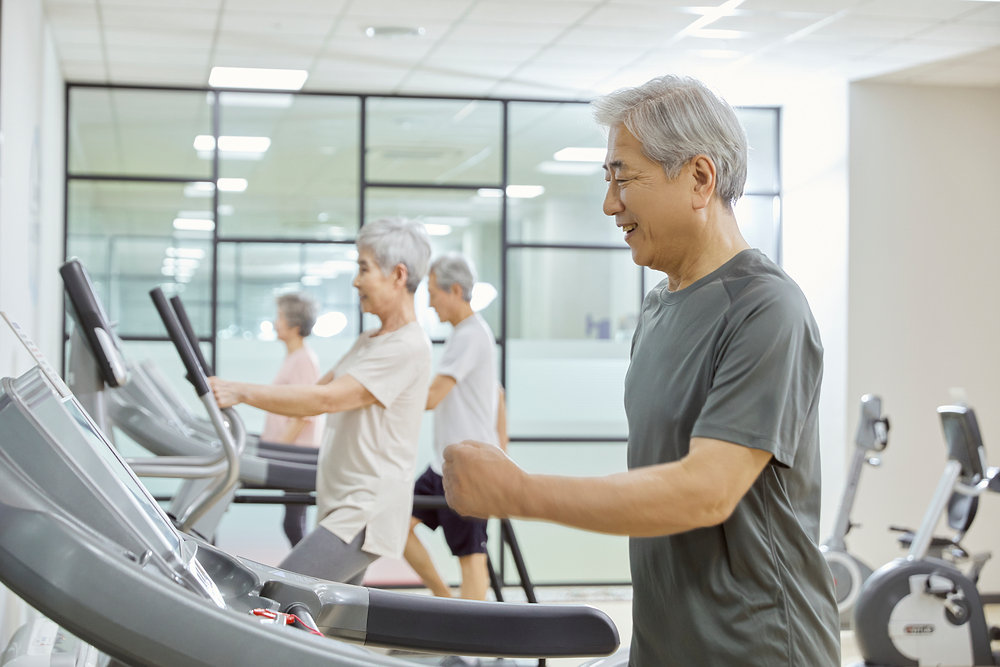
Your smartphone step counter shows a solid number: 7,000 steps a day, sometimes even reaching 10,000 on busy days. Yet climbing stairs feels harder by the week, standing up from a low chair requires a hand pushing off your knee, and stepping onto a bus leaves your legs feeling heavy.
Many people assume that walking this much is sufficient exercise. While walking maintains cardiovascular health and overall activity, walking alone cannot fully protect physical mobility in older age.
Function Matters More Than Step Count
Locomotive syndrome—often referred to as exercise function decline syndrome—describes a state in which deteriorating bones, joints, the spine, muscles, and nerves compromise a person's ability to walk and move independently. Preventing it requires far more than logging daily steps; it demands the functional strength needed to stand, hold posture, and maintain balance.
“Locomotive syndrome does not rely on step count alone as a core metric,” explained Park Hyun-tae, a professor in the Digital Healthcare Research Lab at Dong-A University. He noted that functional indicators—such as walking speed, stride length, gait variability, chair-rising strength, balance, the Timed Up and Go (TUG) test, and exercise adherence—must be evaluated together.
This distinction is critical. Walking long distances on flat ground uses entirely different movement patterns than pushing your body up from a chair, stepping onto a bus, or climbing stairs. The quick pace needed to cross a street, the single-leg support required to step onto a bus, and the power needed to lift body weight on stairs must be trained separately.
Targeted Resistance Training Restores Mobility
Clinical research supports the importance of targeted training. In an eight-week Japanese study involving 47 adults aged 40 and older, participants used a smartphone app providing periodic video and audio guidance for single-leg standing and squat exercises. By the end of the program, participants' average TUG time dropped from 9.0 seconds to 7.5 seconds, while their Geriatric Locomotive Function Scale (GLFS-25) risk scores improved significantly from 18.7 to 11.7 points.
Similarly, a five-week randomized controlled study of 79 older adults using wearable robotic training equipment demonstrated marked functional gains. The training group increased their walking speed by 0.18 meters per second, shortened their TUG time by 1.4 seconds, and improved both their five-repetition chair-stand times and GLFS-5 locomotive risk scores. Adding exercises specifically designed to help stand up and hold posture yielded far greater functional improvements than walking alone.
Climbing stairs and rising from chairs rely heavily on the quadriceps and gluteal muscles. These muscles lift body weight and stabilize the frame when weight shifts to one leg—a crucial movement for preventing falls.
Restoring Function, Nutrition, and Tailored Pain Management
“Exercise should not be treated as a mere afterthought following pain treatment,” said Yoo Jun-il, an orthopedic professor at Inha University Hospital. He emphasized that the primary goal of medical care is controlling pain, followed immediately by restoring daily function through targeted resistance and balance exercises.
Building muscle also requires adequate nutrition. When overall food intake declines in older age, protein consumption often suffers. Spreading protein across daily meals—through meat, fish, eggs, tofu, and legumes—supports muscle recovery. Vitamin D is equally vital for maintaining bone density and muscle function.
Technology can also help maintain consistency. Smartphone apps, wearables, and remote rehabilitation systems allow clinicians and individuals to track exercise adherence and verify whether functional movement is actually improving over time.
However, for individuals suffering from joint or back pain, blindly jumping into heavy squats or stair workouts can backfire. Repetitive high-impact stress on an arthritic knee can worsen joint health, while long walks can exacerbate leg numbness in patients with spinal stenosis. Specialists recommend identifying the cause of pain first, then adopting low-impact alternatives like aquatic walking, stationary cycling, or light resistance exercises.
Ultimately, walking a lot is not enough. The power to walk energetically begins with the functional strength to stand firmly and hold your balance—a habit that must be deliberately built and sustained over time.