“Shouldn’t it be removed as soon as possible — even a day sooner?”
This reaction is common among patients and their families following a cancer diagnosis. Anxiety can be especially intense with advanced conditions like stage 3 breast cancer, often creating an overwhelming sense that surgery must happen immediately.
However, oncologists frequently treat breast cancer with chemotherapy before operating. Known as neoadjuvant chemotherapy, this approach aims to shrink the tumor, evaluate how well the cancer responds to medication, and inform the surgical and follow-up care strategy.
At this stage, clinicians look far beyond the clinical stage alone. They evaluate crucial biological features, including hormone receptor status and HER2 protein expression—the tumor's subtype. Even within stage 3, these biological markers can make pre-operative chemotherapy a far more effective initial step than immediate surgery.
Starting with Chemo, Not the Scalpel
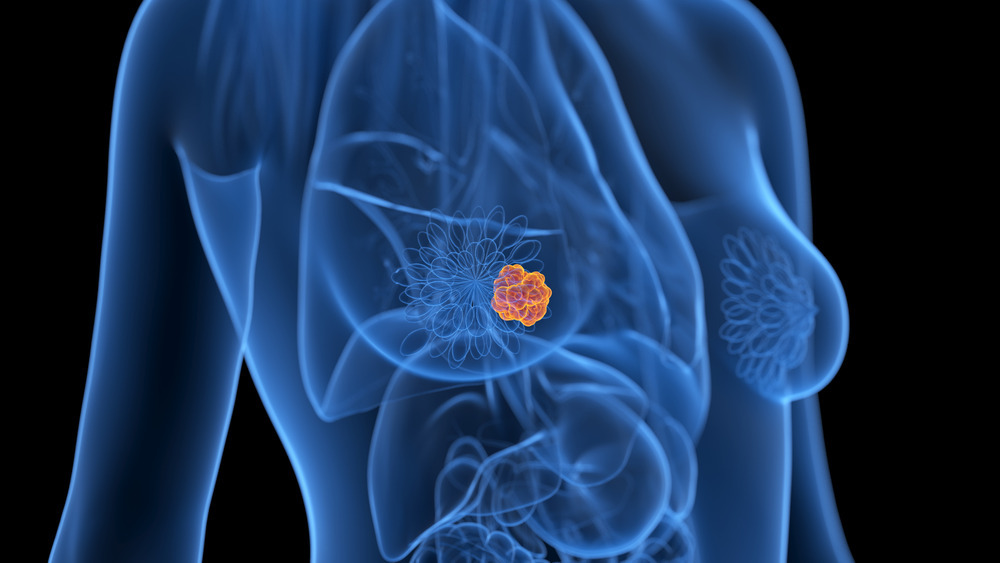
Consider Patient A, a 61-year-old woman who visited the Breast Cancer Center at Busan On Hospital after discovering a lump in her right breast. A biopsy confirmed invasive breast cancer. With a primary tumor measuring 2.9 centimeters and suspected metastasis in multiple axillary lymph nodes, clinicians classified her condition as stage 3 breast cancer.
Rather than proceeding straight to the operating room, the medical team initiated chemotherapy. After eight rounds of treatment, follow-up imaging showed the primary tumor had shrunk from 2.9 cm to 0.6 cm. The lesions previously visible in her axillary lymph nodes were also no longer clearly detectable on imaging.
Far from simply "delaying" surgery, neoadjuvant chemotherapy serves as an active first-line treatment. It addresses the visible breast tumor while simultaneously targeting microscopic cancer cells throughout the body that do not appear on standard scans, allowing doctors to monitor the cancer's drug sensitivity in real time.
Shrinkage vs. Response: Understanding Subtypes
While tumor shrinkage is the most noticeable outcome—sometimes enabling breast-conserving procedures or making previously inoperable cases surgical candidates—doctors look beyond physical dimensions. How effectively the cancer responds to the drugs is the true benchmark for determining what comes next.
Breast cancer is not a single disease; it comprises distinct biological subtypes. Treatment strategies vary significantly depending on whether hormone receptors are present or whether the HER2 protein is overexpressed. For HER2-positive and triple-negative breast cancers in particular, pre-operative systemic therapy forms a cornerstone of care.
Consequently, two patients with stage 3 breast cancer may follow entirely different treatment sequences. Physicians weigh biopsy findings, biological subtype, tumor size, lymph node involvement, and overall patient health before deciding the order of care.
An Integrated Pathway to Recovery
Hearing "let's start with chemo" can provoke worry that the disease is being left untreated while waiting for surgery. In reality, systemic therapy works continuously across the entire body while clinicians monitor progress.
"We judged it more appropriate to reduce the tumor size and burden through neoadjuvant chemotherapy before operating, rather than performing surgery immediately," said Jung Young-rae, section chief of breast surgery at Busan On Hospital. Following this regimen, the patient underwent a right modified radical mastectomy and axillary lymph-node dissection on July 28.
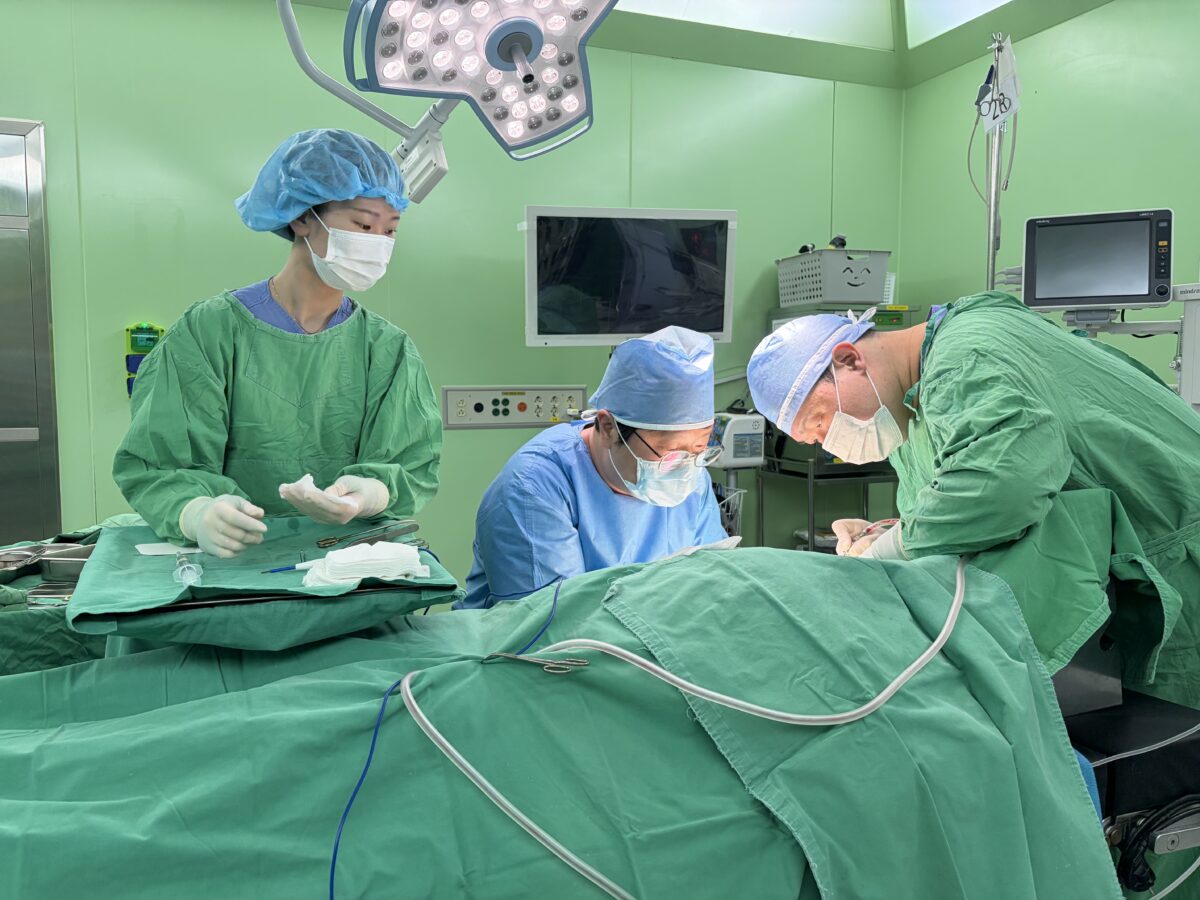
Post-surgical analysis of the removed tissue will measure how much viable cancer remains, yielding critical data to guide follow-up treatments such as additional chemotherapy or targeted therapy.
Busan On Hospital is designated by the Ministry of Health and Welfare as a Comprehensive Secondary General Hospital—a regional facility tasked with handling moderate to severe medical conditions locally. Comprehensive breast cancer care depends on a seamless continuum: from initial biopsy and subtype identification through systemic therapy, response assessment, surgery, and post-operative care.
Ultimately, modern oncology shifts the core question from "how quickly can we operate" to "what is the proper treatment sequence." In many cases, the immediate surgical route is not the shortest path to recovery.