South Korean financial authorities are overhauling disclosure regulations across the pharmaceutical and biotechnology sectors to curb exaggerated market claims, following a high-profile controversy involving Samchundang Pharm. Under the new rules, companies disclosing technology-transfer deals will no longer be permitted to publicize only headline contract figures; instead, they must separately report upfront non-refundable payments and conditional milestone payments.
Historically, domestic biopharma firms routinely made headlines with staggering figures, such as "1 trillion won technology export deals." In reality, only a fraction of that total is paid upon signing, with the remainder contingent on unpredictable future milestones like clinical trial success or regulatory approval. By highlighting total deal values without context, companies frequently led investors to mistake potential future earnings for guaranteed revenue.
Catalyst behind the regulatory overhaul
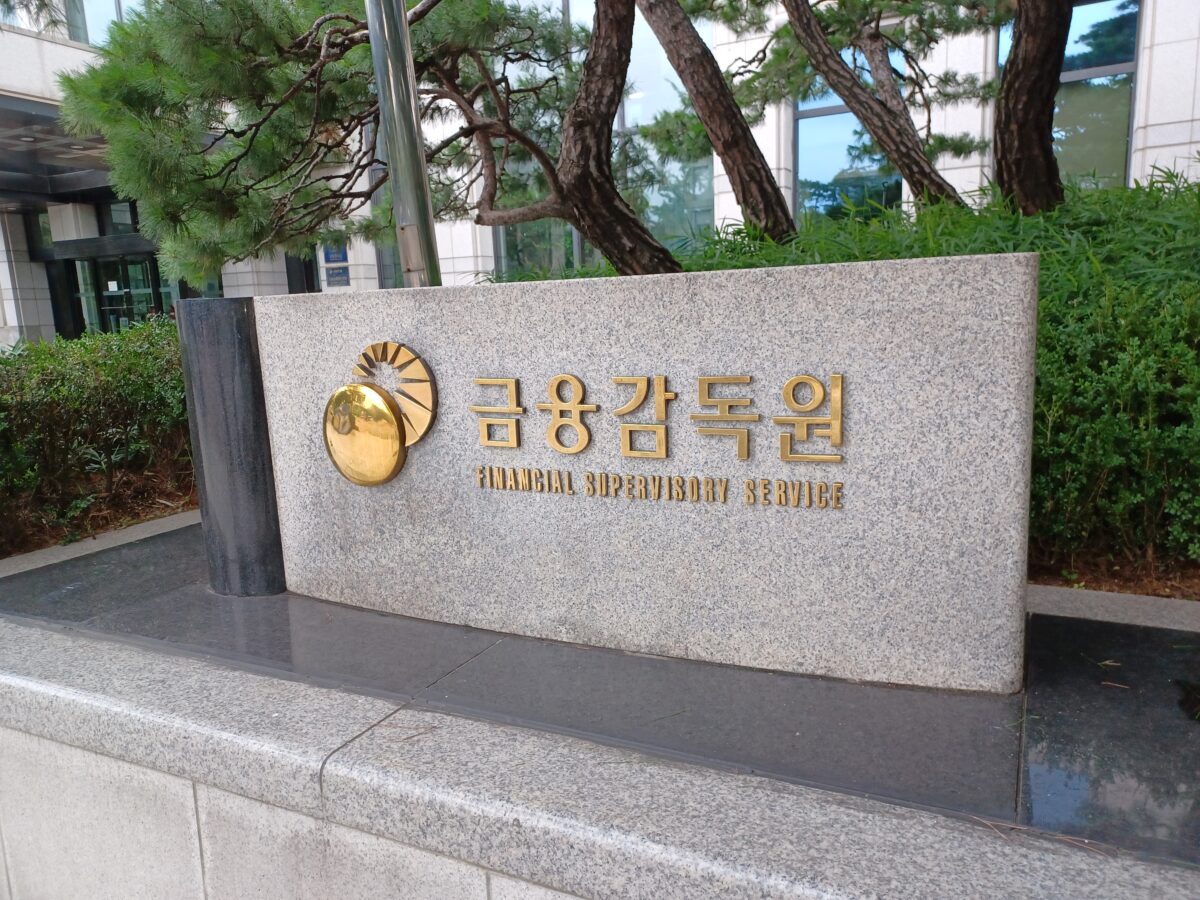
The Financial Supervisory Service (FSS) announced its "Comprehensive Improvement Plan for Pharma and Biotech Disclosures" on July 30. The initiative follows a three-month review conducted by a joint task force comprising external advisers, industry representatives, and regulatory officials from April through June.
The immediate catalyst for the reform was the market turmoil surrounding Samchundang Pharm in February. The KOSDAQ-listed drugmaker—whose stock price had previously surged toward 1 million won—saw its valuation plummet rapidly as doubts surfaced regarding its contract structures and allegations of stock manipulation. Controversy deepened when it was revealed that Samchundang Pharm had distributed earnings guidance exclusively through press releases rather than official regulatory filings, prompting the Korea Exchange to designate it as an "unfaithful disclosure company."
In response, the FSS established the Comprehensive Improvement Task Force on April 10. At its launch, Lee Dong-gyu, director of the FSS Disclosure Review Department, noted, "As seen in the Samchundang Pharm case, discretionary press releases distributed by companies frequently diverge from statutory filings and exchange disclosures."
The FSS highlighted widespread instances where clinical trial outcomes or deal sizes were excessively interpreted by media, fueling investor confusion. Given the sector's immense weight in domestic capital markets—pharma and biotech accounted for 29.9% (183 trillion won) of total KOSDAQ market capitalization as of late March, and 47.0% of the IPO market by market cap last year—regulators determined that comprehensive reform was urgent.
Standardized IPO pricing and itemized contract reporting
Under the new framework, key valuation assumptions used during initial public offerings (IPOs) will be strictly standardized. Going forward, biopharma companies must present detailed rationale for their offering price based on four standardized criteria: expected market size, clinical trial success probability, regulatory review risks, and development timelines alongside required costs. Furthermore, companies must distinguish the overall global market from their realistic addressable market, and calculate clinical success probabilities using objective academic literature and historical statistics rather than arbitrary estimates.
Post-listing disclosure requirements will also tighten significantly. For technology-transfer agreements, companies must break down deal totals into upfront fees, development milestones, regulatory and commercialization milestones, and royalties, detailing the specific payment conditions for each. Even when non-disclosure agreements prevent revealing the counterparty's identity, companies must disclose basic parameters regarding the partner's operational scale and business capacity.
In periodic financial filings, companies will be required to include a new "R&D History Management Summary Table" for every pipeline candidate. This table will provide a clear overview of progress—including candidate completion, discontinuation, or approval—for both active pipelines and previously disclosed candidates. If development timelines slip, companies must explicitly disclose the reasons for the delay and outline updated execution plans.
Regarding ad hoc disclosures of clinical results, companies must provide clear explanations of complex technical jargon and ensure filings easily link to the pipeline's historical disclosure record. The Korea Exchange is currently finalizing complementary detailed guidelines for ad hoc reporting.
Finally, standards governing media relations and press releases will be strictly enforced. Material information capable of influencing investment decisions must be filed through official regulatory channels prior to public dissemination, and subsequent media statements must remain strictly aligned with those filings. Regulators will discourage selective disclosures to specific investors and advise companies to implement formal internal approval procedures before issuing press releases.
"This plan represents a crucial step toward shifting from 'disclosures that companies speak' to 'disclosures that investors understand,'" the FSS stated. "We will continuously eliminate information asymmetry and build a disclosure environment that allows investors to rationally evaluate both growth potential and risk factors."