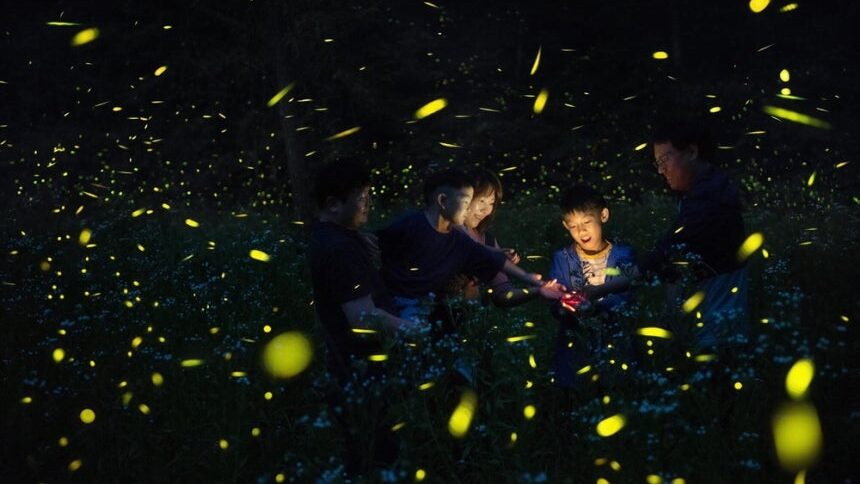
As the sun sets and darkness settles over the forest, a remarkable nocturnal spectacle unfolds in Muju County, North Jeolla Province. One by one, tiny pale-green lights flicker on amidst the brush. As shimmering clusters of fireflies drift across the grass, it feels as if stardust has fallen to earth. Visitors can experience this scene at the 30th Muju Firefly Festival, taking place from September 4 through September 12, offering an illuminated night tour through one of Korea's most pristine ecological sanctuaries.
A Love Letter Written in Light: The "Firefly Mystery Exploration"
The centerpiece of the festival is the "Firefly Mystery Exploration," an immersive program that allows visitors to observe wild fireflies up close in their natural habitat. In the early evening, participants board dedicated shuttle buses to guided observation sites, where naturalists explain firefly bioluminescence and local ecosystem dynamics.
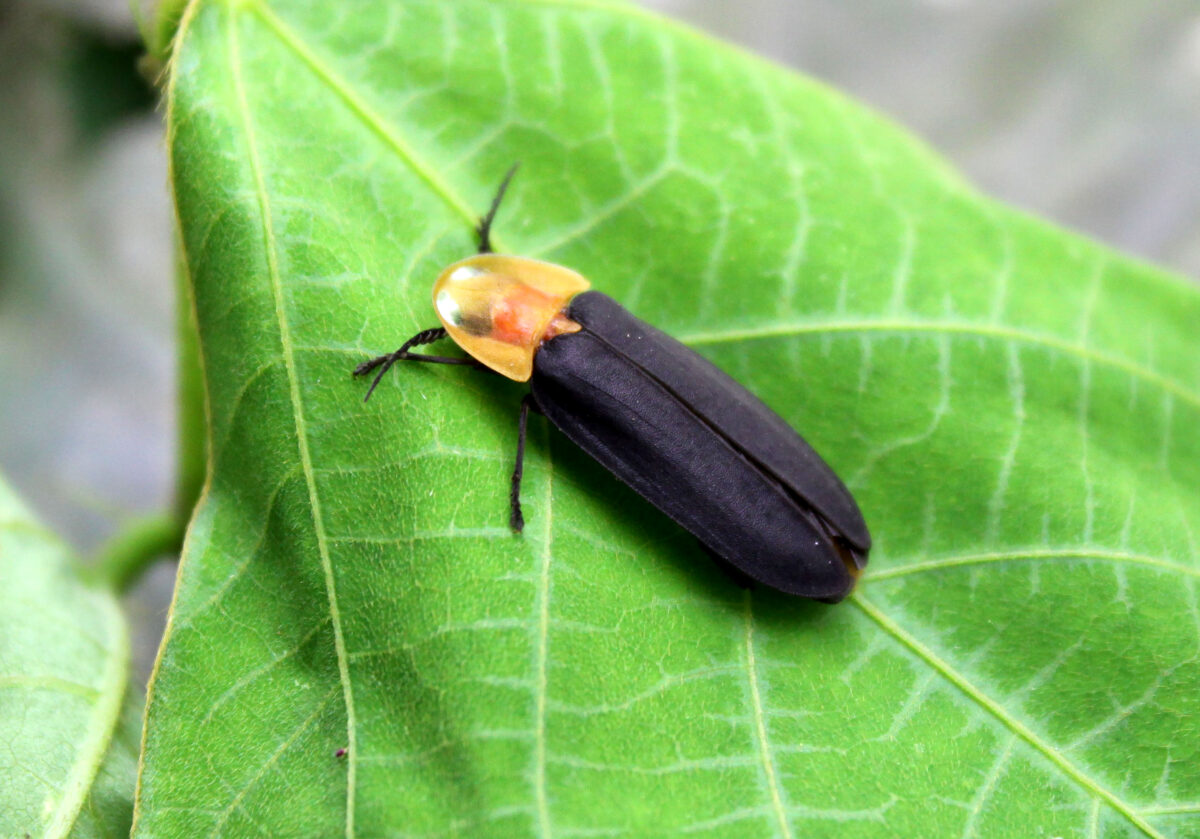
The star of the September exploration is the late firefly (Pyrocoelia rufa), which emerges from mid-August through mid-September. The species exhibits distinct behaviors between sexes: males fly through the night air emitting steady, elongated glows, while wingless females rest on blades of grass, responding with rhythmic flashes. These light displays serve as courtship signals—a once-in-a-lifetime exchange of bioluminescent "love letters" between prospective mates.
To match the late firefly’s appearance period, the Firefly Mystery Exploration will operate 15 times through September 20, continuing after the main festival concludes. Prior online reservations are mandatory, as on-site registration is not accepted. Tours run nightly from 6:40 p.m. to 9:00 p.m. Complementary offerings include "Bandi Camping," which pairs overnight camping with habitat tours, and the "Ecology Exploration" package hosted in conjunction with Bandi Land.
Viewing Etiquette: Protecting Natural Monument No. 322
Upon arriving at the observation site, visitors must turn off smartphone screens and camera flashes, allowing their eyes to adjust to the dark. Flashlights should be used sparingly under staff guidance and never aimed directly at the insects or vegetation, as artificial light disrupts firefly communication signals.
Recognizing Muju’s clean environment, the Korea Heritage Service designated the region's fireflies and their prey habitats—including Seolcheon-myeon—as Natural Monument No. 322. Visitors are expected to observe strict conservation etiquette to protect this delicate ecosystem.
Catching, handling, or touching fireflies is strictly prohibited. Stepping off marked trails to take photographs damages micro-habitats, as does collecting plants or leaving behind trash and food waste. Because the terrain is uneven and dark, participants should wear non-slip athletic shoes, long pants, and a light jacket for protection against cool temperatures and insects. Light-up LED shoes are banned, as their luminescence interferes with observation.
Because firefly activity depends heavily on natural conditions such as temperature, humidity, and wind speed, tours may be canceled during heavy rain or high winds. Even if firefly sightings are sparse on a given night, visitors are asked to keep lights off, lower their voices, and practice patient observation out of respect for the insects.
Daytime Ecology Exhibits and Nighttime Light Displays
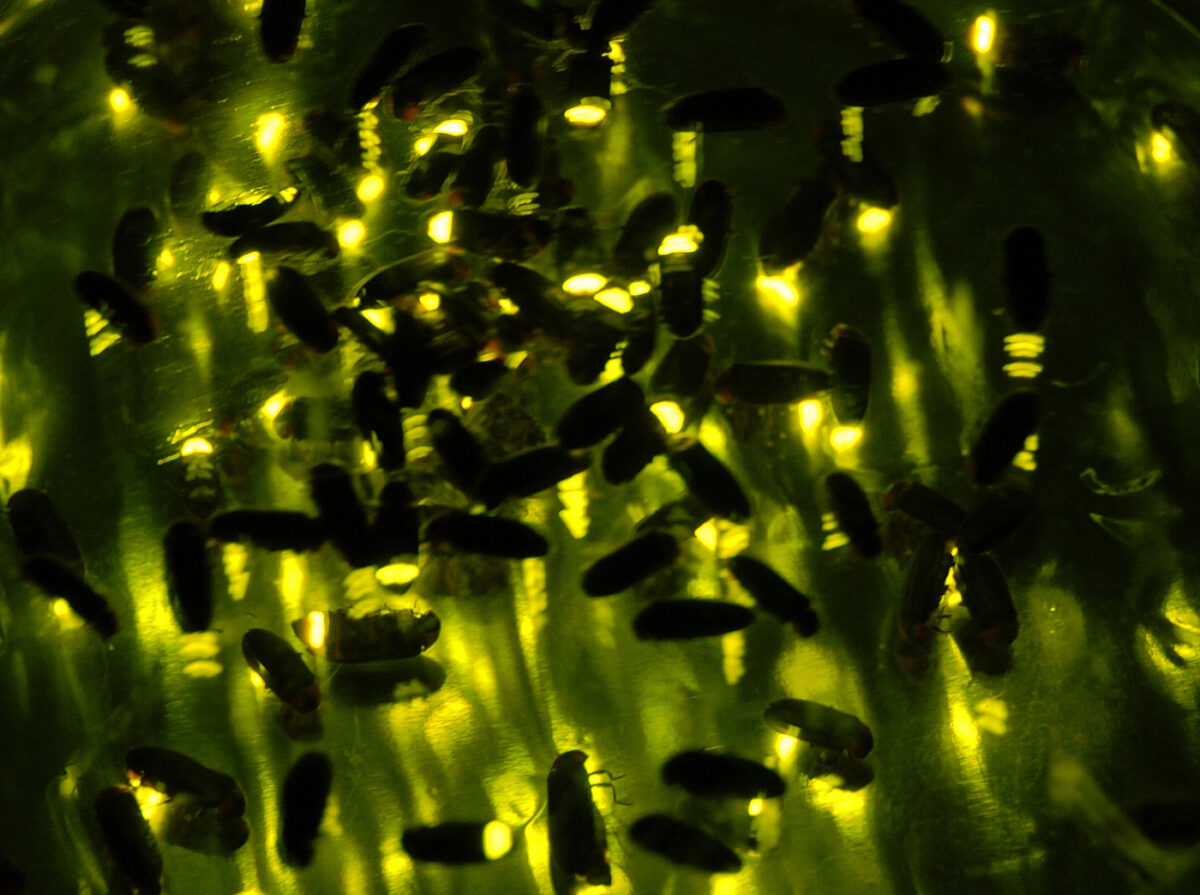
For visitors attending outside the guided habitat tours, the festival offers the "Firefly Theme Hall," an indoor exhibition recreating a nighttime forest environment. Here, guests can observe live late fireflies alongside other native insects, including rhinoceros beetles, grasshoppers, and crickets.
Another popular highlight is the "Bandi Star Picnic," where participants build simple telescopes and stargaze under Muju's night sky while listening to nocturnal insects.
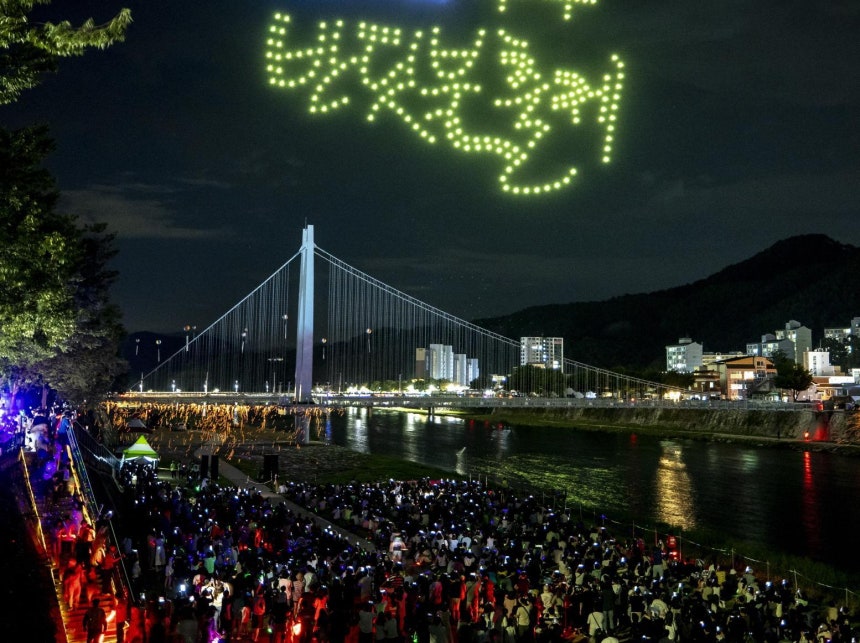
At night, the festival grounds along Namdaecheon Stream transform during the "Bandi Festival of Light." This evening spectacle features traditional nakhwanori—a folk pyrotechnic event where cascades of fiery sparks drop over the water—complemented by laser shows, scenic fountains, drone light formations, and fireworks.
The festival also features an extensive musical lineup. Singers Kim Young-bin and Choi Jae-myung headline the 30th-anniversary celebration concert, while Hwang Ga-ram and the Jungsik-i Band perform at the opening ceremony. Special concerts feature pop artists Ailee and H1-KEY, with retro pop acts R.ef, Roola, Space A, and Kim Won-jun performing at the closing ceremony.
Year-Round Learning at Bandi Land
Travelers visiting outside the festival dates can explore firefly ecology at Bandi Land. The on-site Insect Museum features extensive specimen collections and ecological displays showcasing domestic and international insects.
The facility includes 3D digital exhibits recreating firefly environments, an ecological breeding center detailing the growth stages of firefly larvae, and an interactive experience hall. Additionally, a 3D theater screens educational animated films, including Firefly Story.