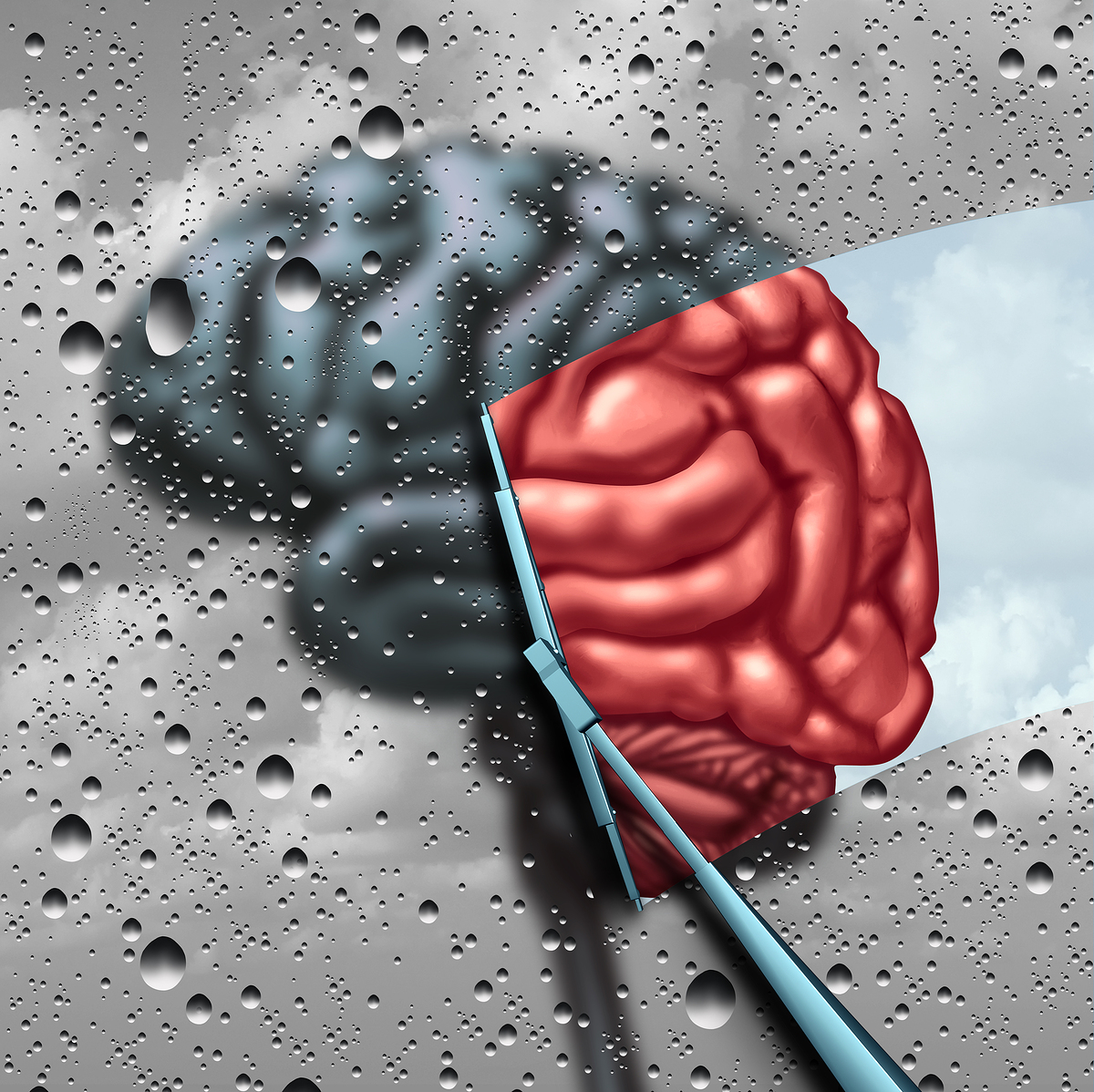
Stroke remains one of South Korea’s leading causes of death, carrying a high risk of lasting complications or recurrence even after treatment. Ischemic stroke—where a cerebral blood vessel becomes blocked—causes progressively greater brain damage the longer treatment is delayed, making rapid response the single most critical factor determining a patient's prognosis.
"Because the underlying cause and vascular condition vary from patient to patient in cerebrovascular disease, it is difficult to judge based on a one-size-fits-all standard," said Kim Moon-chul, director of S Pohang Hospital and a cerebrovascular specialist. "If sudden, unusual neurological symptoms appear, it is best to seek care quickly and proactively—even to the point that it may feel excessive."
When people think of a stroke, they often picture someone suddenly collapsing or losing consciousness. But strokes can also begin with milder warning signs. What symptoms should prompt someone to go to the emergency room without delay?
"The first thing to look for is weakness or abnormal sensation in an arm or leg on one side of the body. If strength suddenly drops on one side or you experience an unusual feeling you have never felt before, that is a clear danger signal. Even if those symptoms resolve within one to two minutes, any newly occurring symptom warrants an immediate trip to the hospital.
You also need to respond quickly if vision suddenly worsens in one eye, if part of your visual field disappears, or if you experience double vision, slurred speech, or a decline in alertness.
Dizziness and headaches can be difficult for the general public to identify as dangerous stroke signals. However, if severe dizziness suddenly appears when you do not usually have it, or if you develop a headache with a pattern you have never experienced before, it is best to go to the emergency room. Being suspicious to the point that it feels a bit excessive is how you avoid missing a stroke."
People often stress the importance of the 'golden time' in stroke treatment, with many citing '4.5 hours' as the benchmark. How should we understand this window today?
"In the past, people talked about the golden time as three or four and a half hours, but today it is hard to explain it simply as a specific number of hours. The single most important principle is getting to the hospital even one minute or one second sooner.
When a blood vessel is blocked and blood supply is cut off, brain cells undergo continuous damage—roughly 1.8 million to 2 million brain cells can die in a single minute. While the core area may suffer irreversible damage quickly, surrounding brain tissue can still be saved if blood flow is restored promptly. The primary goal of treatment is to salvage as much of that surrounding tissue as possible.
However, the speed at which brain damage progresses varies by individual. It depends on which vessel is blocked, why it occurred, and how well collateral circulation—alternative blood flow around the blockage—has developed. Clinicians use imaging tests to determine how much salvageable brain tissue remains and decide on the appropriate intervention.
Even for patients who arrive long after symptoms began, treatment may still be possible if imaging shows viable brain tissue. Conversely, even if very little time has passed, there are patients for whom forcibly reopening the vessel could carry greater risks than benefits. You should never think, 'I am fine as long as I arrive within a certain number of hours.' If you suspect a stroke, you need to reach the hospital as quickly as possible. And even if considerable time has passed, treatment may still be viable, so you should head to the hospital without delay."
When a cerebral aneurysm is found incidentally during a routine health screening, many patients wonder if they must undergo surgery or a procedure regardless of circumstances. How do you approach this?
"A cerebral aneurysm is a condition that can cause a fatal brain hemorrhage if it ruptures. The primary difficulty is that aneurysms rarely cause specific symptoms until a rupture occurs, which is why they are frequently discovered by chance during an MRI or CT scan during health screenings.
That said, not every patient diagnosed with a cerebral aneurysm requires immediate surgery or a procedure. When deciding whether to treat, we evaluate the aneurysm's location, size, and shape alongside multiple risk factors, including the patient's age, hypertension status, smoking history, family history, and the presence of multiple aneurysms. For instance, smoking, high blood pressure, a family history of aneurysms, or having multiple aneurysms significantly increases the risk of rupture.
Ultimately, treatment decisions come down to weighing two risks: the risk of rupture if left untreated versus the risk of surgical or procedural complications prior to rupture. If the rupture risk outweighs the treatment risk, we intervene proactively. Conversely, if the likelihood of rupture is low and procedural risks are higher, we may hold off on immediate treatment and monitor the patient.
However, monitoring does not mean leaving the condition unattended. It requires regular follow-up imaging to check for changes in the aneurysm's size or shape. Follow-up intervals are not uniform; they are determined alongside a specialist based on the patient's age, overall health, risk factors, and the specific characteristics of the aneurysm."
After completing stroke treatment, many patients worry about recurrence. How high is the actual risk, and what steps should patients take post-discharge to prevent a second stroke?
"Someone who has experienced a stroke faces a significantly higher risk of a second stroke compared to someone who has never had one. Depending on the study, reports indicate the risk can be up to 16.5 times higher. Therefore, completing initial treatment successfully does not mean care is finished. Ongoing management to prevent recurrence is essential.
The most fundamental step is strictly adhering to prescribed medications. Depending on the cause of the stroke, doctors prescribe antiplatelet agents or anticoagulants to prevent blood clots, and patients must never stop taking them on their own.
Patients must also aggressively manage the underlying risk factors that contributed to the stroke. If you have high blood pressure, you must maintain strict blood pressure control; if you have diabetes, blood sugar management is essential. Hyperlipidemia must also be actively managed through regular testing and target-level monitoring.
Lifestyle modifications are equally critical. Patients should quit smoking and avoid alcohol as much as possible, engage in regular exercise, and maintain a healthy body weight. Consistently combining prescribed medication, risk-factor management, and healthy lifestyle habits is the bedrock of stroke recurrence prevention."