Free radicals are unstable molecules that drive internal inflammation, accelerate cellular aging, and heighten the risk of chronic conditions, including cancer. To prevent free radicals from accumulating in the body, maintaining a diet rich in antioxidants is essential. While onions are widely recognized as a top source of the potent antioxidant quercetin, several other everyday culinary herbs and greens—such as dill and cilantro—contain even higher concentrations.
How Quercetin Neutralizes Free Radicals and Protects Cells
Quercetin is a plant-based flavonoid abundant in a variety of fruits and vegetables. Plants produce flavonoids primarily as a defense mechanism against environmental stressors, such as ultraviolet (UV) radiation. Because the human body cannot synthesize flavonoids independently, they must be obtained through dietary sources or supplements.
As a powerful antioxidant, quercetin scavenges cell-damaging free radicals, thereby mitigating oxidative stress, supporting cellular integrity, and suppressing systemic inflammation. Research also indicates that quercetin inhibits cholesterol buildup in blood vessels, suppresses the release of histamine—the chemical responsible for allergic reactions—and helps regulate blood pressure while inhibiting cancer cell proliferation.
Red Onions: Everyday Staples with Hidden Nutrient Secrets
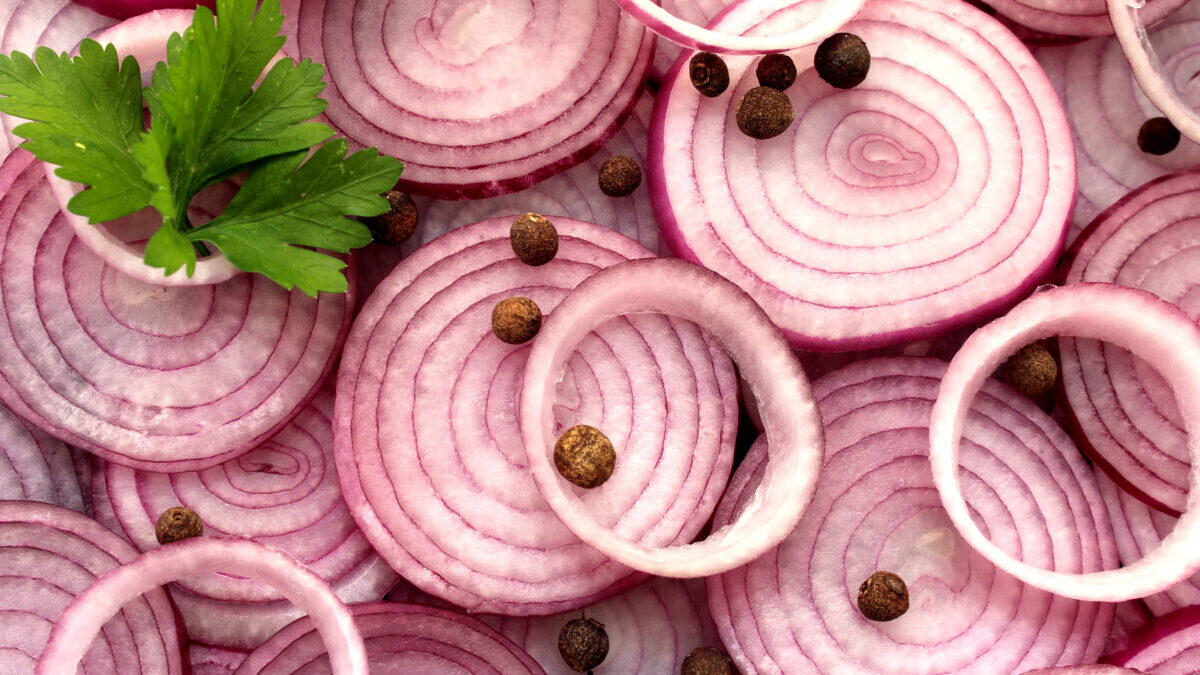
Onions serve as an accessible daily source of quercetin. According to data from the U.S. Department of Agriculture (USDA), 100 grams of raw red onion contains approximately 39 milligrams of quercetin.
The highest concentrations of quercetin are housed in the onion's translucent inner skin, meaning as much of this layer should be preserved as possible during preparation. Additionally, cutting an onion and allowing it to sit for 15 to 30 minutes before cooking triggers enzymatic processes that convert its sulfur compounds into highly beneficial health-promoting agents. Sautéing onions also naturally intensifies their sweetness, reducing the need for added sugars in cooking.
Dill, Cilantro, and Red Leaf Lettuce: Powerful Herb and Leafy Green Alternatives
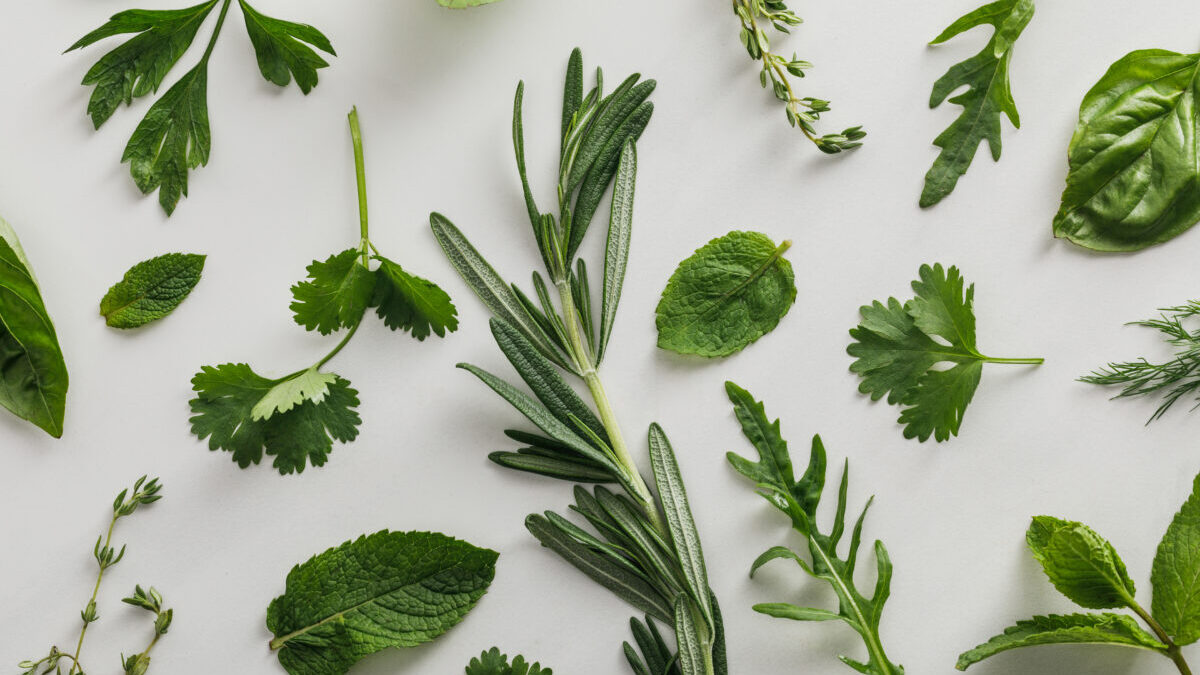
Herbs like dill and cilantro actually outpace red onions in quercetin density. Dill, widely utilized to aid digestion and soothe stomach discomfort, provides roughly 55 milligrams of quercetin per 100 grams—about 1.4 times the amount found in red onions. Although dill is typically consumed in modest amounts as a seasoning, adding even small quantities to fish, salads, pickles, and dressings provides a valuable boost of plant-based antioxidants.
Cilantro supplies approximately 53 milligrams of quercetin per 100 grams. A member of the Apiaceae family, cilantro contains both quercetin and carotenoid compounds, which work synergistically to eliminate free radicals. It is also packed with vitamins A, C, and K, as well as potassium, manganese, and folate, making it an easy nutritional addition to noodles, stir-fries, salads, and tacos.
Red leaf lettuce, a common grocery staple, offers another accessible option with roughly 31 milligrams of quercetin per 100 grams. The deep red pigmentation in its leaves signals the presence of both quercetin and anthocyanins. Consuming red leaf lettuce raw—such as in wraps or fresh salads—helps prevent the degradation of heat-sensitive nutrients.
Key Takeaways
Quercetin is a vital plant flavonoid that neutralizes free radicals, reducing oxidative stress and systemic inflammation.
Red onions provide a reliable daily source of quercetin, especially when prepared with the inner skin intact and allowed to rest after slicing.
Dill, cilantro, and red leaf lettuce offer exceptionally high concentrations of quercetin and can be easily integrated into everyday meals without heat treatment to maximize nutrient absorption.