By middle age, it is easy to dismiss an expanding waistline, but visceral fat poses a far greater health threat than pinchable subcutaneous fat. According to Asan Medical Center in Seoul, while subcutaneous fat sits directly beneath the skin, visceral fat accumulates deep within the abdominal cavity around internal organs like the liver and intestines, releasing inflammatory substances and increasing insulin resistance. As visceral fat builds up, it raises the risk of type 2 diabetes, fatty liver disease, hypertension, dyslipidemia, and cardiovascular disease.
Regular physical activity is essential for shedding visceral fat. To reduce body fat while preserving lean muscle mass, experts recommend at least 150 minutes of moderate aerobic exercise and at least two strength-training sessions per week. Dietary adjustments can further enhance these efforts. Focusing on foods that prolong fullness, blunt post-meal blood sugar spikes, and inhibit fat synthesis makes managing abdominal fat significantly more effective. Here are three daily foods that actively support visceral fat reduction.
Acetic Acid in Vinegar Inhibits Body Fat Accumulation
Acetic acid, the compound responsible for vinegar's sour taste, helps inhibit fat synthesis and blunts post-meal blood sugar spikes, reducing overall body fat storage.
In Japan, researchers at the Central Research Institute of the Mizkan Group studied adults with obesity and found that participants who consumed vinegar daily for 12 weeks experienced significant reductions in visceral fat area, body weight, and waist circumference. Researchers concluded that acetic acid directly alters fat synthesis pathways to suppress body fat accumulation.
Rather than drinking vinegar plain, it is easier to incorporate it into daily meals as a seasoning. Add it to fresh vegetable dishes, cucumber salads, or mix it with olive oil for salad dressings. Pairing vinegar with meat or fish also enhances flavor while cutting back on high-sodium or oily sauces.
If consuming vinegar as a beverage, dilute raw vinegar or apple cider vinegar (ACV) thoroughly in water and drink it alongside meals. Undiluted vinegar can erode dental enamel and irritate the esophagus and stomach lining. After drinking, rinse your mouth with water and avoid brushing your teeth immediately to protect acid-softened enamel. Additionally, check commercial drinking vinegars for added sugars that can unnecessarily increase total calorie intake..
Fiber-Rich Oats Packed with Beta-Glucan Improve Metabolism
Oats are a classic high-fiber food rich in beta-glucan, a soluble dietary fiber that absorbs water in the stomach to form a highly viscous gel. This slows gastric digestion, keeping you full longer and causing post-meal blood sugar to rise gradually, preventing overeating.
Beta-glucan also acts as a prebiotic for beneficial gut microbiota. Short-chain fatty acids produced as gut bacteria break down beta-glucan help regulate blood sugar levels and improve lipid metabolism.
A study conducted at Chung Shan Medical University in Taiwan, led by Professor Chang Hong-cheou, investigated the effects of oat consumption on obesity and liver function. Adults with obesity who consumed oats daily for 12 weeks showed significant decreases in body weight, body mass index (BMI), body fat percentage, and waist-to-hip ratio, demonstrating that consistent oat intake effectively reduces abdominal fat.
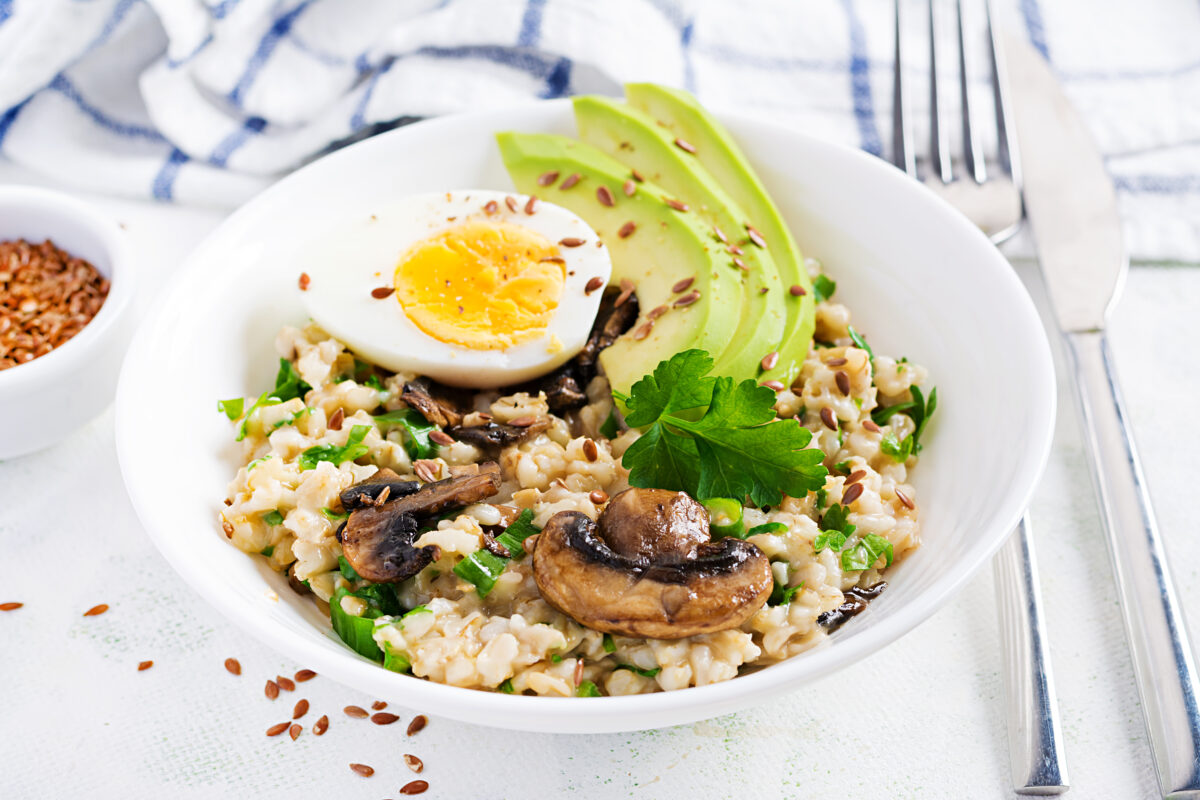
When selecting oats, opt for rolled oats or coarse steel-cut oats over refined instant varieties. Simmer rolled oats in water or unsweetened milk and add eggs, tofu, or mushrooms to create a savory, protein-rich oatmeal porridge. Alternatively, pair them with plain yogurt, fresh blueberries, and nuts for a balanced breakfast.
Oats can also be blended into daily rice dishes by replacing about 20% of white rice with pre-soaked whole oat groats, gradually increasing the ratio as your digestive system adapts.
Avocado: Healthy Monounsaturated Fats Replace Butter and Mayonnaise
Although avocados are relatively high in fat, most of their fat content consists of oleic acid, a heart-healthy monounsaturated fatty acid. Replacing foods high in saturated fat—such as butter or mayonnaise—with avocado helps lower "bad" LDL cholesterol in the blood. Avocados are also rich in dietary fiber to sustain fullness and potassium to promote sodium excretion, supporting blood pressure control.
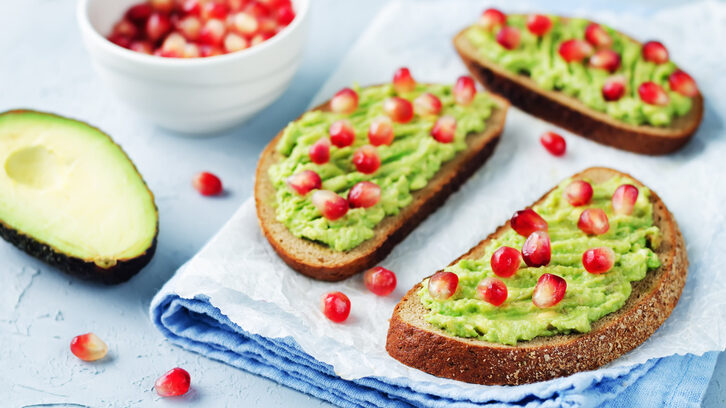
Because avocados are energy-dense at approximately 160 calories per 100 grams, portion control is essential. Limit intake to about half an avocado per meal when using it as a substitute. Spreading mashed avocado on whole-grain toast provides a nutrient-dense alternative to butter while enhancing satiety.
Mashing avocado with boiled eggs creates a smooth spread for sandwiches or rolls without requiring mayonnaise. You can also top a bowl of grain rice with sliced avocado, a fried egg, and fresh vegetables, drizzled with a small amount of soy sauce for a balanced, satisfying meal.
Unripe, firm avocados should be kept at room temperature until they yield gently to light pressure. To store a leftover half, lightly coat the exposed flesh with lemon juice and seal it tightly in the refrigerator to slow browning, consuming it as soon as possible.