Small, mindless habits can exert repeated mechanical stress on teeth and gums, gradually leading to long-term structural damage. While symptoms may not appear immediately, over time this ongoing strain can cause cracked enamel, chipped teeth, and severe gum injuries. Here are four common behaviors that undermine oral health.
Tearing packages and chewing on hard objects
Using your teeth to rip open snack bags or tear through packaging tape subjects them to unnecessary force. Over time, this pressure increases the risk of microcracks in the enamel—the tooth's protective outer layer—or causes teeth to chip. It can also strain the temporomandibular joint (TMJ), potentially causing jaw pain or misalignment. Similarly, habitually chewing on pens, fingernails, or plastic straws inflicts continuous trauma on dental structures.
Relying on toothpicks instead of floss
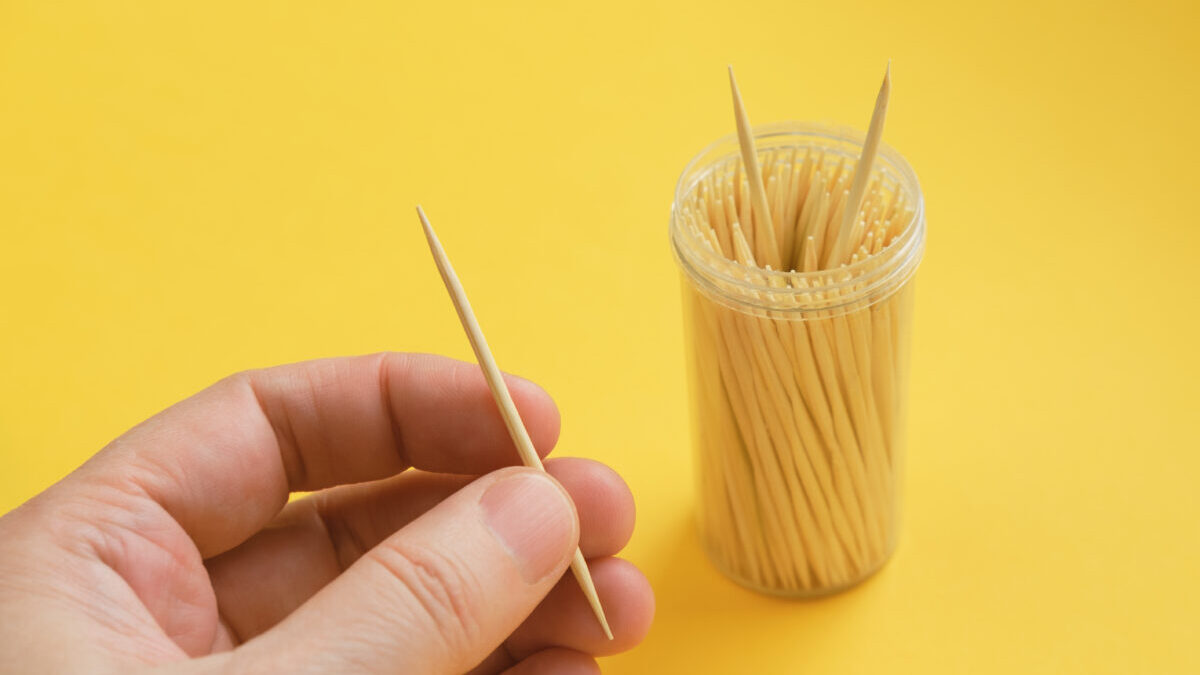
Dental floss remains the standard recommendation for removing food debris trapped between teeth, while an interdental brush works best for wider gaps. In contrast, frequent toothpick use can severely irritate delicate gum tissue. Forcing a rigid wooden toothpick into tight spaces can puncture gum tissue and cause interdental gaps to widen over time.
Crunching on hard ice
Chewing on ice places heavy, sudden stress on dental enamel. The repeated impact required to break down hard ice cubes can cause hairline fractures or chip away fragments of a tooth. This risk is particularly pronounced for teeth with existing dental restorations, such as fillings or crowns.
Misusing alcohol-based mouthwash
While mouthwash helps reduce lingering oral bacteria after brushing and flossing, certain alcohol-containing formulas can dry out the mouth. Saliva plays a critical role in washing away food particles and neutralizing acids; when saliva production drops, cavity-causing bacteria can flourish more easily. Following product directions carefully is essential, and individuals who frequently experience dry mouth should consider switching to an alcohol-free alternative.