As South Korea officially becomes a “super-aged society” in 2026, with one in five citizens now aged 65 or older, health anxieties—particularly surrounding sarcopenia—have moved to the forefront. Currently, 1 in 10 adults over 65 suffer from this progressive loss of muscle mass, a figure that surges to 1 in 4 for those aged 80 and above [1, 2].
While muscle mass remains relatively stable through a person’s 40s, it begins to decline by 1% to 2% annually starting in the 50s. By age 80, many experience a 30% to 40% reduction compared to their peak in young adulthood [3]. This loss is especially detrimental in the lower body, as it compromises mobility and increases the risk of falls and fractures, which are linked to mortality. While aging is the primary driver, disease, physical inactivity, and malnutrition also play significant roles [4]. Aging further triggers “anabolic resistance,” where the body becomes less efficient at synthesizing muscle protein, partly due to declining levels of hormones like growth hormone, IGF-1, and sex hormones such as testosterone and estrogen [5].
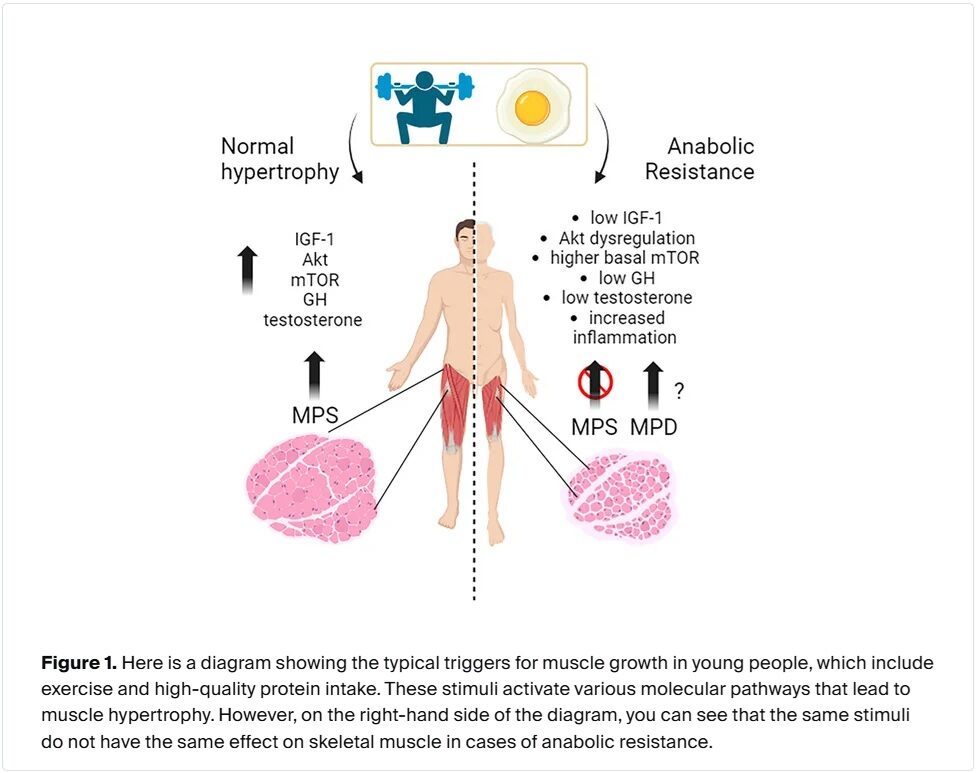
With no pharmaceutical cure for sarcopenia, the standard clinical advice is to increase protein intake. Consequently, protein has become the nutrient of the moment. The domestic market for protein products is projected to grow from 450 billion won in 2024 to 800 billion won in 2026 [6]. What was once the domain of gym enthusiasts—protein shakes, bars, and snacks—is now found in every corner of the grocery store, purchased by older adults hoping to ward off muscle loss and younger consumers aiming for fitness.
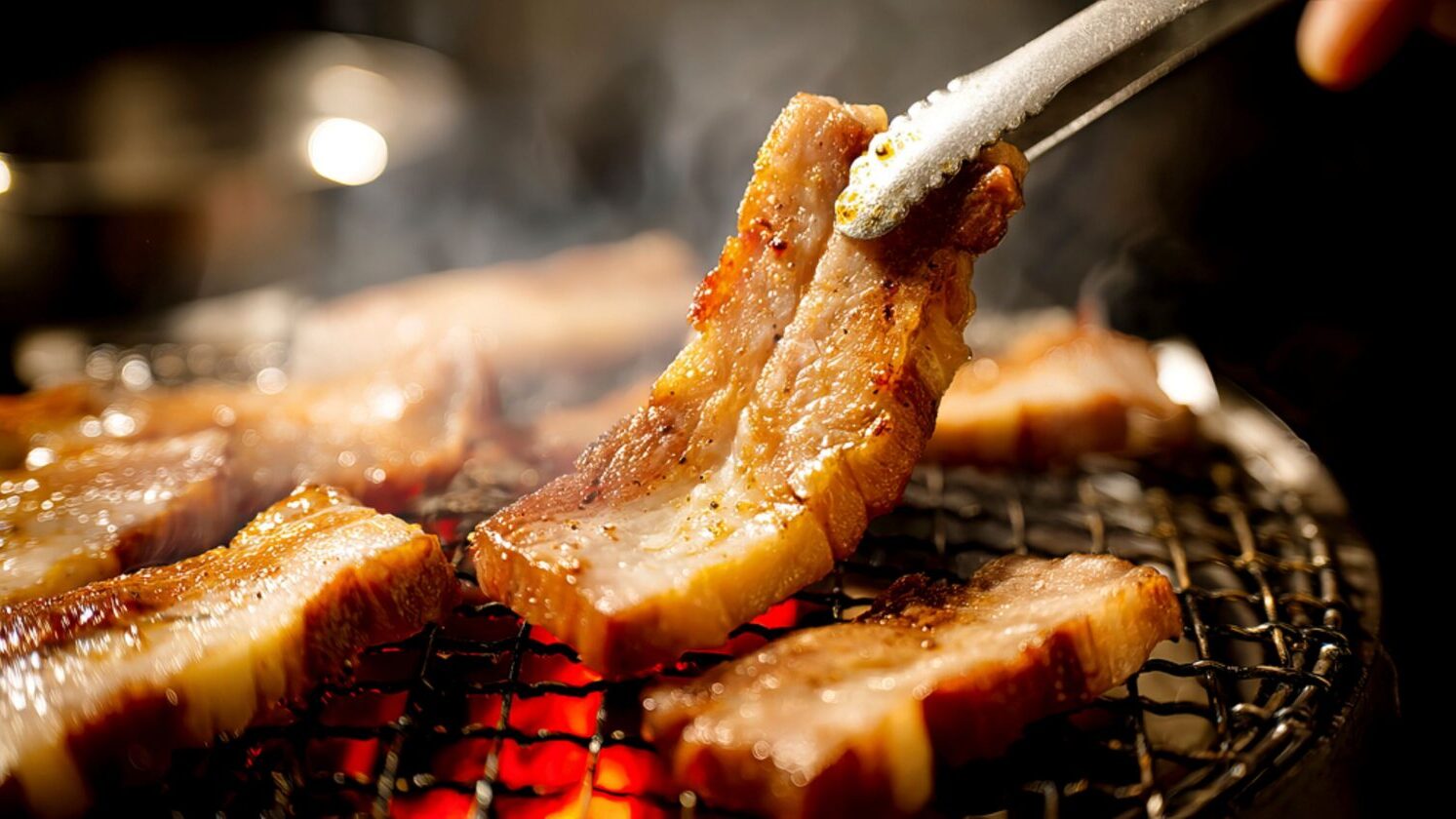
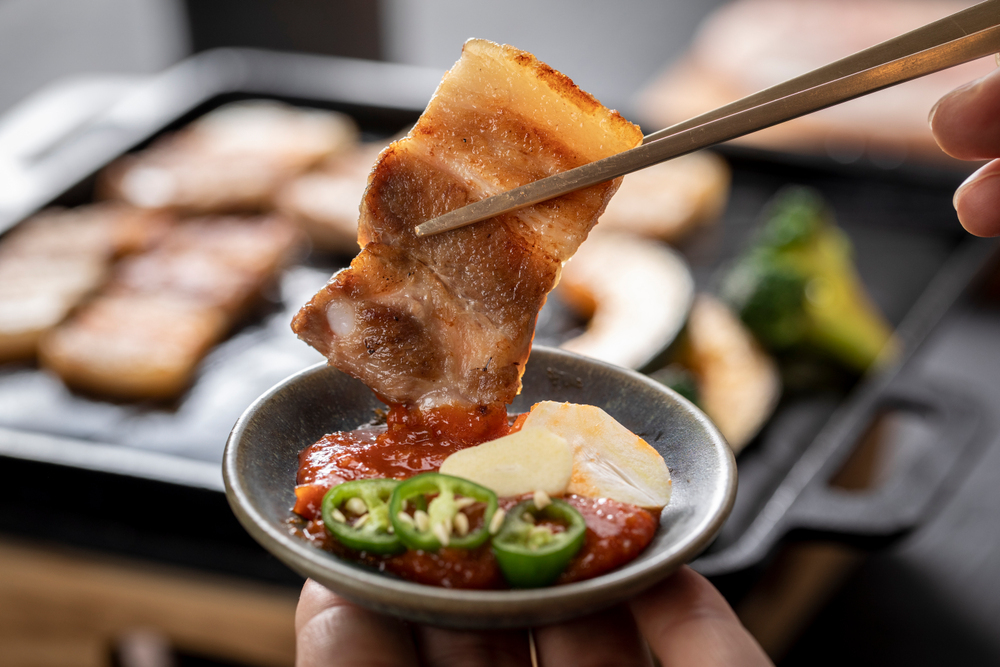
The traditional symbol of protein is meat, and South Korea’s appetite for it is profound. Historically, meat was scarce, but rising affluence has cemented it as a status symbol and a mealtime staple. By 2022, annual meat consumption reached 58.4 kg per capita, finally surpassing rice at 56.7 kg [7]. This dietary shift effectively ended the era when the "power of rice" was considered the source of all strength, as Koreans now consume far more meat than rice [8]. Yet, despite this, the refrain to "eat more protein" persists, raising a critical question: how much is enough?
Carbohydrates and fats serve as energy sources that the body can store, but protein serves a different purpose: it is the fundamental raw material for building tissues like skin, muscle, and hair. Unlike carbohydrates or fats, the body cannot store excess protein. If you consume protein beyond your daily requirement, the surplus is broken down and excreted within the same day. During this process, the breakdown of amino acids produces ammonia, a toxic waste product. The liver converts this into less harmful urea, which is then excreted via the kidneys. Consequently, chronic overconsumption of protein places a heavy burden on both the liver and kidneys [9, 10].
Clinical research supports this risk. A study of approximately 1,500 Italian adults linked higher protein intake to a lower estimated glomerular filtration rate (eGFR)—an indicator of reduced kidney function—after 12 years [11]. Similarly, a 13-year follow-up of 9,000 Korean adults found that those in the high-protein group (1.7g/kg/day) experienced a statistically significant decline in kidney function compared to those in the low-protein group (0.6g/kg/day) [12].
Protein is essential, but it is not a "super-nutrient" that provides infinite benefits. As with many things, moderation is key. Consuming protein far beyond your needs is not a health strategy—it is a taxing process that risks damaging your kidneys.
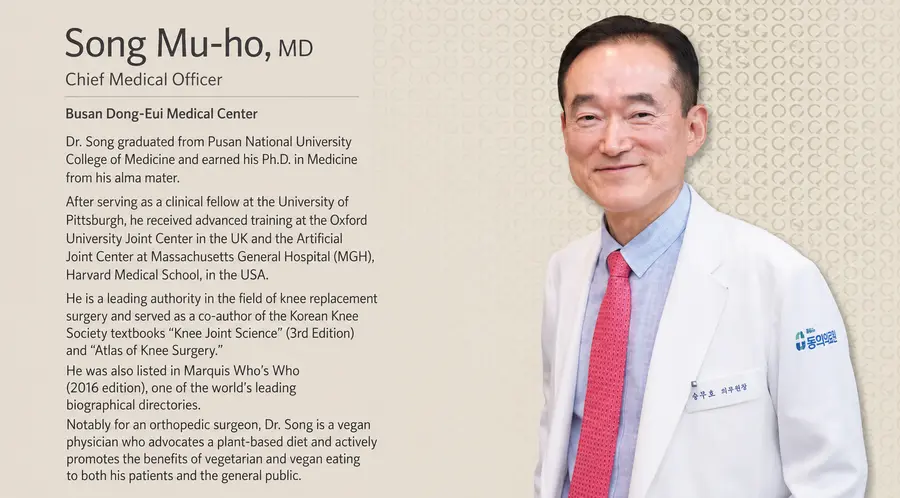
Song Moo-ho, MD, PhD, orthopedic surgeon and lifestyle medicine specialist
References
1. The Dong-A Ilbo https://www.donga.com/news/Society/article/all/20250930/132494276/1
2. Korea Disease Control and Prevention Agency https://health.kdca.go.kr/healthinfo/biz/health/gnrlzHealthInfo/gnrlzHealthInfo/gnrlzHealthInfo/gnrlzHealthInfoView.do?cntnts_sn=6722
3. National Health Insurance Service https://www.nhis.or.kr/magazin/139/html/c07.html
4. AJ Cruz-Jentoft, G Bahat, J Bauer, et al. Sarcopenia: revised European consensus on definition and diagnosis. Age and ageing 2019;48(1):16-31.
5. C Tezze, M Sandri, P Tessari. Anabolic Resistance in the Pathogenesis of Sarcopenia in the Elderly: Role of Nutrition and Exercise in Young and Old People. Nutrients 2023;15(18):4073.
6. The Dong-A Ilbo https://www.donga.com/news/Economy/article/all/20250704/131942025/2
7. The Hankyoreh https://www.hani.co.kr/arti/science/future/1078387.html
8. KBS News https://news.kbs.co.kr/news/pc/view/view.do?ncd=7903768
9. JW Griffin, PC Bradshaw. Effects of a high protein diet and liver disease in an in silico model of human ammonia metabolism. Theoretical Biology and Medical Modelling 2019;16(1):11.
10. GJ Ko, CM Rhee, K Kalantar-Zadeh, S Joshi. The effects of high-protein diets on kidney health and longevity. Journal of the American Society of Nephrology 2020;31(8):1667-1679.
11. M Cirillo, C Lombardi, D Chiricone, et al. Protein intake and kidney function in the middle-age population: contrast between cross-sectional and longitudinal data. Nephrology Dialysis Transplantation 2014;29(9):1733-1740.
12. JH Jhee, YK Kee, S Park, et al. High-protein diet with renal hyperfiltration is associated with rapid decline rate of renal function: a community-based prospective cohort study. Nephrology Dialysis Transplantation 2020;35(1):98-106.