Girls' Generation member and actor Yuri, 36, recently showcased her healthy eating habits, giving fans a glimpse into her diet three years after moving to Jeju Island.
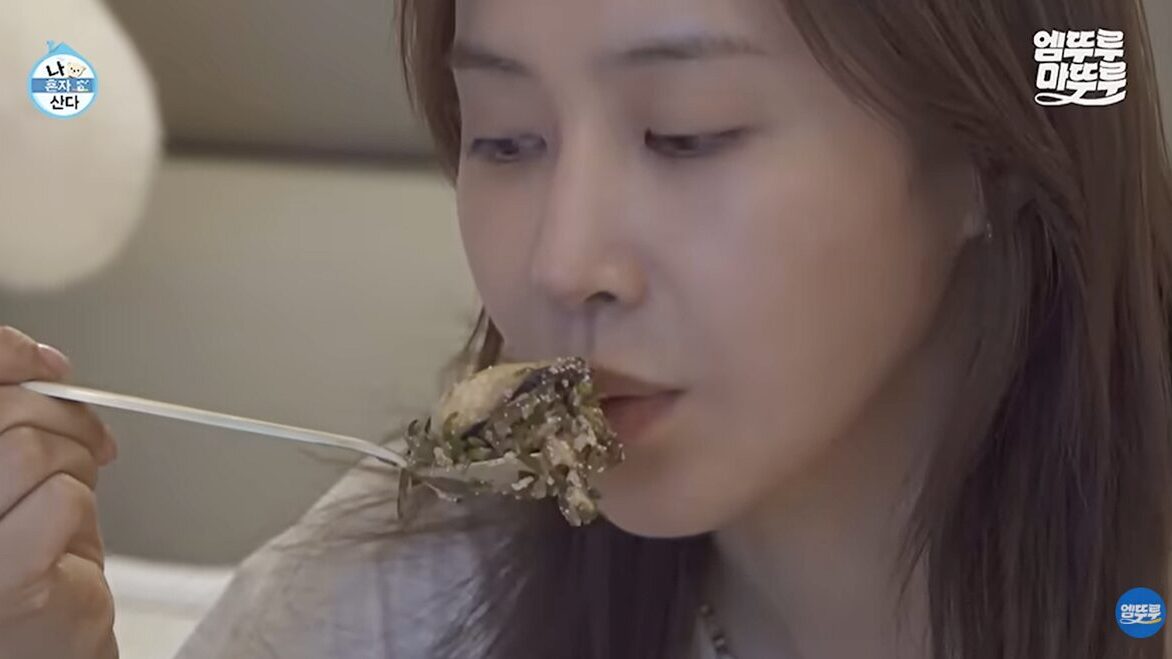
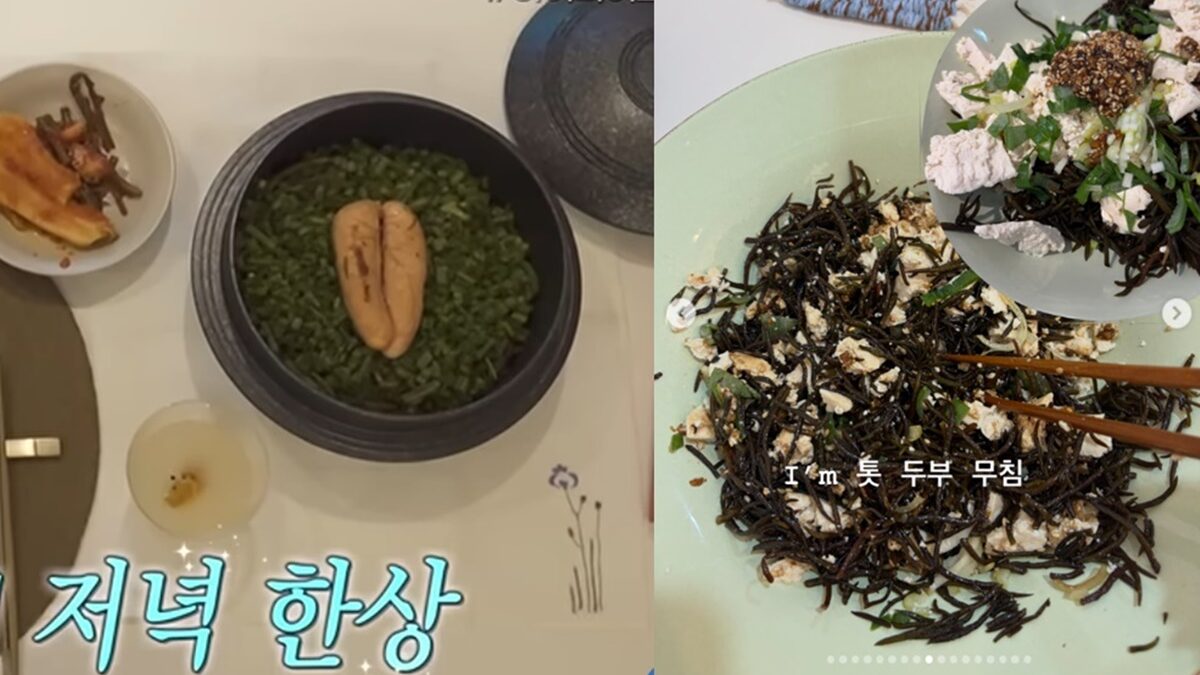
On a recent episode of MBC's reality show I Live Alone, Yuri drew viewers' attention with a mukbang featuring "pollock roe and tot pot rice." After gathering fresh tot—a native brown seaweed—from a Jeju beach, she cooked it into a fragrant pot meal topped with grilled pollock roe. She also shared a photo of "tot tofu salad" on social media, demonstrating her fondness for the nutrient-dense ingredient.
Living amid Jeju's natural landscape, Yuri appears noticeably slimmer and healthier. Tot (Sargassum fusiforme), a prominent brown seaweed harvested along South Korea's coasts and around Jeju, is low in calories and rich in dietary fiber and essential minerals, making it an ideal staple for weight control and blood sugar management.

Low in Calories, Rich in Fiber: Why Tot Supports Weight Loss
Fresh tot is harvested primarily between March and May, when its stems are most tender and aromatic. Outside peak harvest season, it is commonly sold pre-boiled or dried.
The primary reason tot is spotlighted as a diet food is its high dietary fiber content relative to its low calorie count. Dietary fiber slows gastric emptying, promoting long-lasting satiety that helps prevent overeating. It also stimulates intestinal motility to prevent constipation while replenishing essential minerals often depleted during calorie-restricted diets.
Blunting Blood Sugar Spikes and Boosting Mineral Intake
The dietary fiber and alginic acid in tot slow the digestion and absorption of carbohydrates, helping buffer sharp post-meal blood sugar spikes. While tot is not a medical cure for diabetes, incorporating it into regular meals provides valuable support for healthy blood sugar regulation.
Compared to other seaweeds, tot is particularly rich in calcium and iron. Calcium supports bone and dental health, while iron is essential for red blood cell production. It also contains an array of vital nutrients, including magnesium, potassium, and beta-carotene, making it a well-rounded addition to a balanced diet.
Blanching for Safety: Key Preparation Steps
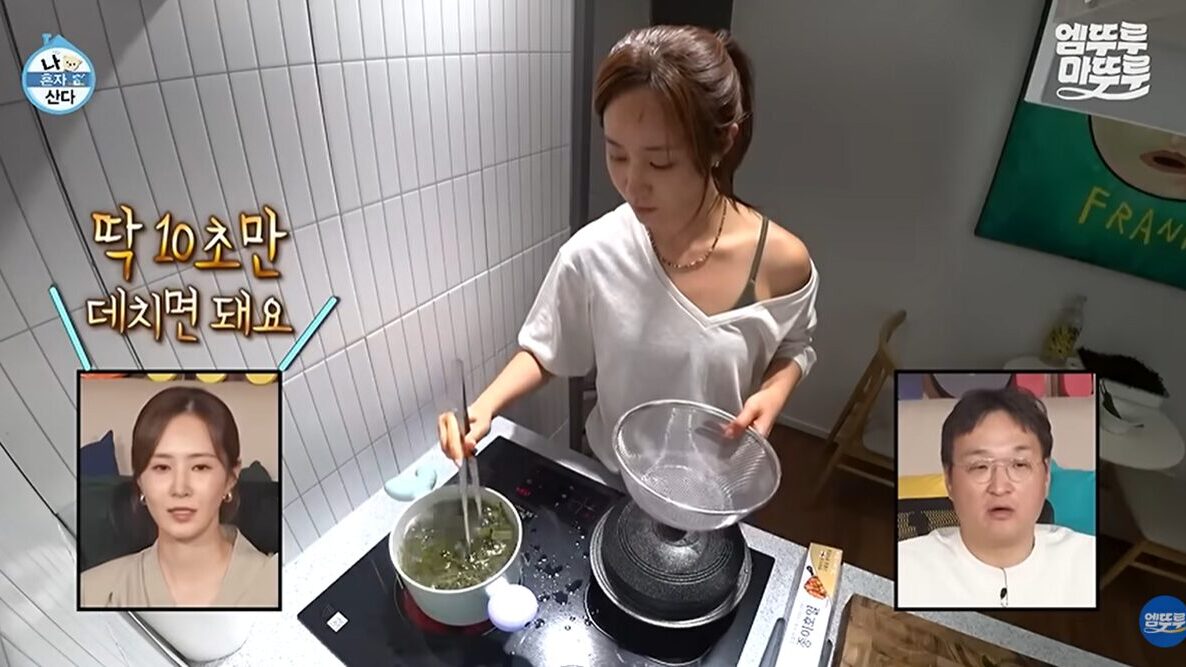
Proper preparation is crucial when consuming tot. According to the Ministry of Food and Drug Safety, raw tot contains higher levels of inorganic arsenic than certain other seaweeds. However, standard preparation methods significantly reduce these levels. Tot should be washed thoroughly under running water, blanched briefly in boiling water, and rinsed in cold water prior to cooking. When preparing her dish, Yuri added vinegar and cooking wine to soaked tot, blanching it for approximately 10 seconds until it turned vibrant green.
Additionally, because tot is rich in iodine, individuals being treated for thyroid disease or those advised to restrict iodine intake should avoid excessive consumption.
Recreating Yuri's Tot and Pollock Roe Pot Rice at Home
Preparing tot and pollock roe pot rice at home is straightforward. Place prepared tot over soaked rice and cook them together in a pot, then top the finished rice with grilled pollock roe. Drizzle with sesame oil, scatter finely sliced scallions and sesame seeds, and mix well to enjoy a rich, savory flavor with a hint of the ocean. The dish can also be paired with crumbled roasted seaweed or a seasoned wild chive sauce.
For a lighter option, tot tofu salad offers a simple, diet-friendly meal. Combine boiled tot with pressed tofu, then season with soup soy sauce, sesame oil, and minced garlic. Top with sesame seeds and chopped scallions for a clean, nutty finish. This dish combines high-quality plant protein and dietary fiber in a single meal.
Pairing tot with brown or multigrain rice further boosts fiber intake, while adding mushrooms increases satiety. Drizzling a small amount of lemon juice or vinegar over the seaweed helps neutralize its ocean aroma while providing a fresh, crisp finish.