One of the most foundational rules of maintaining long-term wellness is fueling the body with foods that actively support its defense systems. Dietary patterns built around ingredients with potent antioxidant and anti-inflammatory properties can play a critical role in countering chronic inflammation, a physiological state widely recognized as a primary driver of numerous systemic illnesses.
Pharmacist Lim Yeon-jin, who shares health insights online under the alias "Tofu Pharmacist," recently highlighted this connection in a video detailing five everyday foods that offer exceptional anti-inflammatory benefits.
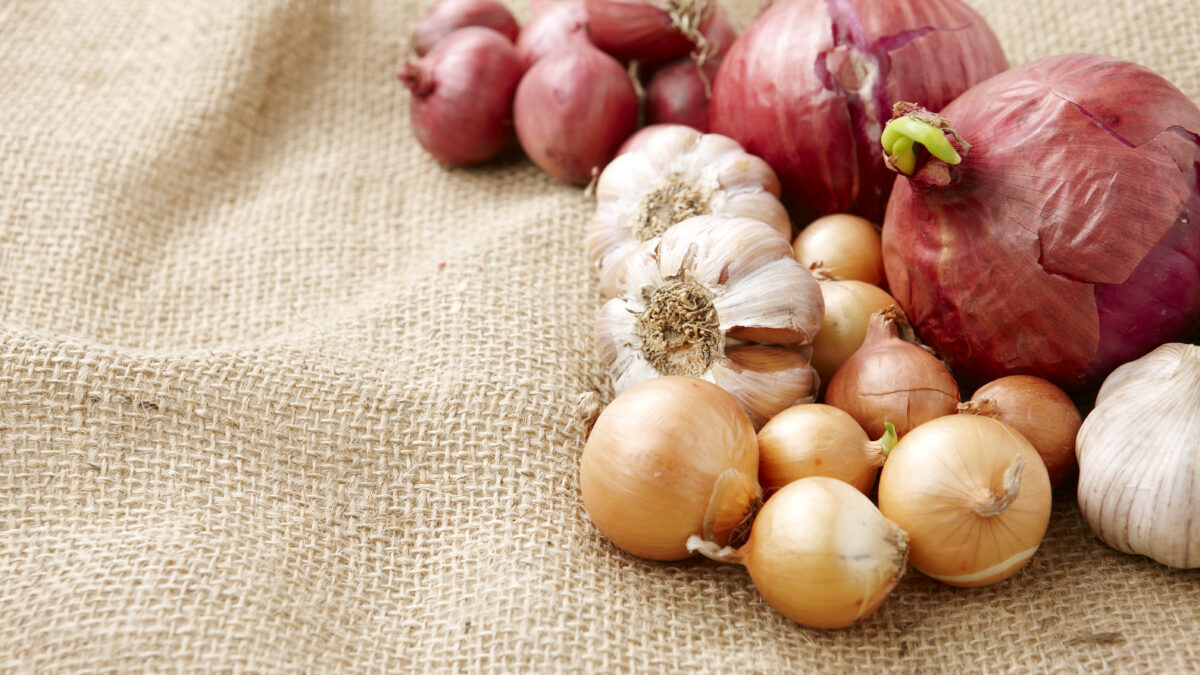
Onions and Garlic: Rich Sources of Quercetin
"Onions and garlic are exceptionally rich in quercetin, giving them powerful antioxidant effects," Lim explained. Both staple ingredients contain abundant levels of quercetin, a robust flavonoid antioxidant.
Quercetin is clinically recognized for its ability to scavenge reactive oxygen species (ROS)—unstable molecules produced in large amounts during cellular stress—and to suppress the biochemical signaling pathways that trigger inflammation. A study published in the international journal Antioxidants confirmed that quercetin plays a highly positive role in reducing oxidative stress and mitigating chronic inflammatory responses.
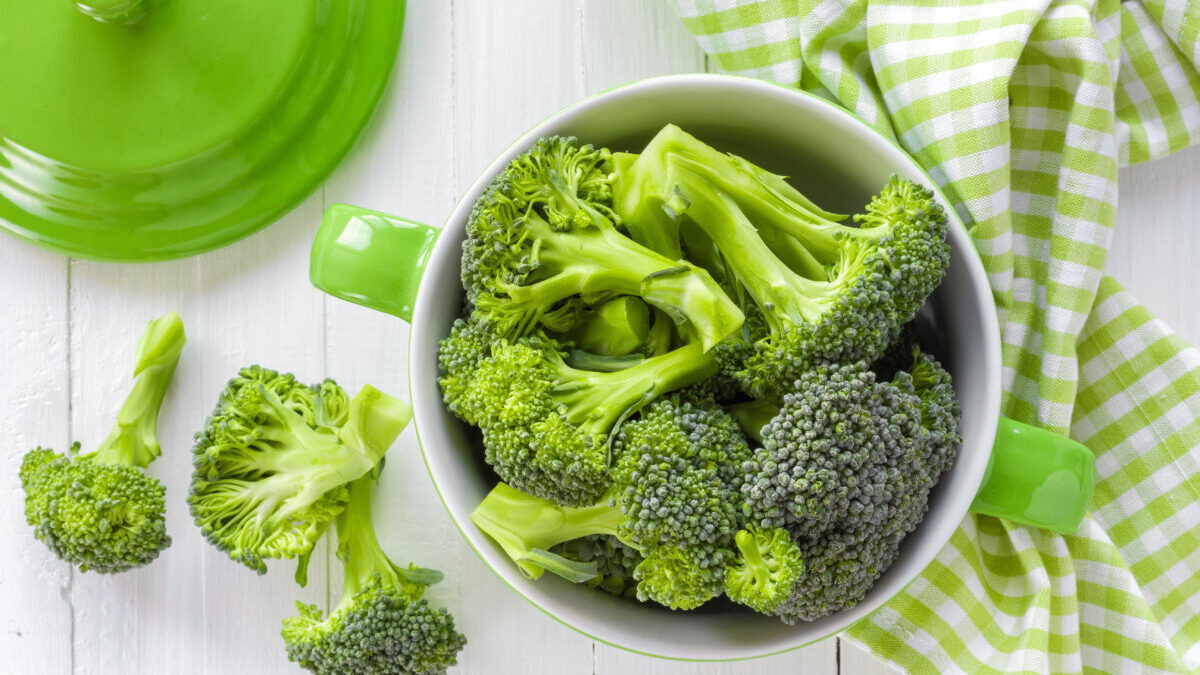
Broccoli and Kale: High in Sulforaphane
"Cruciferous vegetables like broccoli are packed with sulforaphane, which provides vital support in managing systemic inflammation," Lim noted.
Sulforaphane works by stimulating specific cellular pathways that activate the body's natural antioxidant enzymes, thereby soothing inflammatory flare-ups and minimizing cellular damage. A 2017 review published in the international journal Oxidative Medicine and Cellular Longevity corroborated these findings, noting that sulforaphane’s anti-inflammatory and antioxidant properties have been verified across a wide range of clinical literature.
Turmeric: Exceptional Curcumin Concentrations
"Turmeric contains curcumin, an active compound with outstanding anti-inflammatory properties," Lim stated.
Curcumin, the natural polyphenol responsible for turmeric’s distinct yellow pigment, is a well-documented anti-inflammatory substance. It operates by inhibiting the production of inflammatory cytokines—proteins involved in cell signaling that worsen inflammation—and minimizing systemic oxidative stress. A systematic review published in the international journal Frontiers in Pharmacology reported that curcumin effectively reduces inflammatory markers across a variety of chronic inflammatory diseases.
Tomatoes and Watermelon: Packed with Lycopene
"Tomatoes and watermelon are extremely rich in an antioxidant called lycopene," Lim added.
Tomatoes and watermelon contain high concentrations of lycopene, a vibrant red carotenoid compound. This nutrient helps remove harmful reactive oxygen species, shields cells from oxidative damage, and dampens underlying inflammatory pathways. A research paper published in the international journal Nutrition demonstrated that regular lycopene intake exerts a highly positive influence on reinforcing cardiovascular health and reducing chronic inflammation.
Blueberries and Cranberries: Infused with Anthocyanins
"Blueberries and cranberries contain dense amounts of anthocyanins, making them excellent choices for vascular health and inflammation management," Lim concluded.
Anthocyanins are plant pigments known to optimize blood vessel function and lower oxidative stress, which helps protect the broader cardiovascular system. A study featured in the international journal Advances in Nutrition highlighted that consistent anthocyanin consumption yields definitive benefits for reinforcing endothelial function and curbing chronic inflammation throughout the body.