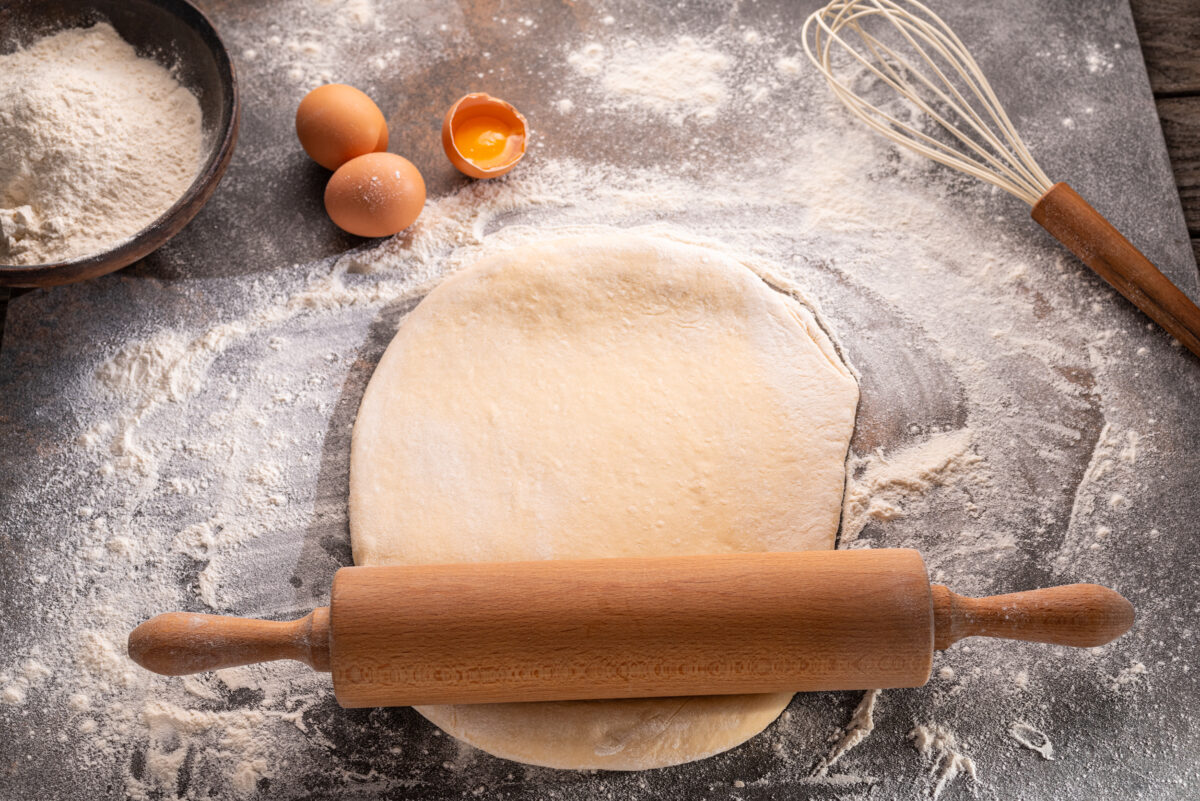
It’s easy to assume flour doesn’t go bad. But if you store it improperly or keep it past its expiration date, its quality can decline. Before you throw away flour that’s no longer safe to eat, here are a few practical ways to use it.
How to slow flour from going bad
Flour’s shelf life is one year from the manufacturing date. That’s true, however, only when it’s stored properly. If it isn’t sealed correctly, flour can spoil even before its expiration date. When the fats in flour react with air and oxidation speeds up, it can develop a distinctive bitter taste and an unpleasant odor.
Storing it in a warm place also isn’t ideal. Many households keep flour in a kitchen cabinet, but kitchens can heat up easily because of the warmth generated during cooking.
Flour contains carbohydrates as well as protein and fat. Protein breaks down easily in warm places. That can prevent gluten from forming properly, resulting in a less chewy texture.
To keep flour from spoiling as much as possible, transfer it to an airtight container and store it in a cool, dry place. In areas exposed to sunlight, mold or insects may develop. Using a refrigerator or freezer can help you store flour for a long period of time.
3 surprising ways to use flour you don’t want to eat
Old flour you’d rather not eat can still come in handy for cleaning. It works well for cutting through grease buildup on a range hood. Mix old flour and soju in equal parts to make a paste. Remove the range hood, then apply the paste to the front and back. Then rinse with dish soap and hot water to easily wipe away the grease.
Flour can also help remove fishy odors and grease from a frying pan used to cook meat or fish. Sprinkle 1 to 2 spoonfuls of flour onto the greasy pan, then wait about 30 seconds to 1 minute. Once the flour clumps together, wipe it off with a paper towel and rinse with detergent. The idea is that the starch in flour absorbs oil like a sponge and helps eliminate odor molecules.
Flour can also be useful for cleaning bathroom grout. Grout has a rough surface and tiny holes, so dead skin cells and shampoo residue tend to stick to it. When combined with bathroom moisture, mold can also form easily.
Sprinkle flour over the grout and spray it with water using a spray bottle, and it will take on a paste-like form. Wait about 10 minutes, scrub with a brush, and rinse several times with strong water pressure for a noticeably cleaner bathroom floor.