

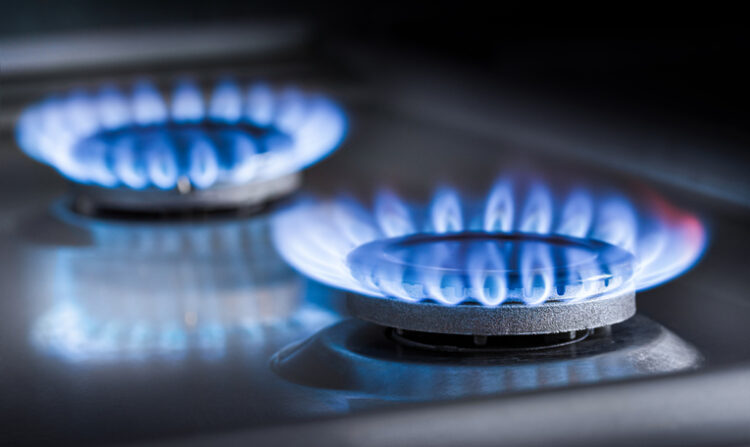
Lingering odors and proper ventilation are familiar concerns for anyone who cooks at home. Grilling or frying meat and fish can degrade indoor air quality in an instant, primarily due to the natural proteins and oils they contain. When heated to high temperatures, these components evaporate and then condense as they cool, generating vast quantities of ultrafine particles. This resulting pollution takes the form of microscopic oil droplets that remain suspended in the air for extended periods.
Indoor Ultrafine Particles Threaten Both Respiratory and Brain Health
Ultrafine dust, or PM2.5, refers to particulate matter with a diameter of 2.5 micrometers or less. Far thinner than a single strand of human hair, these particles easily bypass the filtering mechanisms of the nose and bronchi to penetrate deep into the lungs. This chronic irritation of the airway lining significantly increases the risk of asthma and respiratory illnesses. Long-term exposure has also been linked to lung cancer, leading the World Health Organization (WHO) to classify ultrafine dust as a Group 1 carcinogen.
Recent research, however, indicates that the danger extends beyond the respiratory system. The National Institute of Health, an agency under the Korea Disease Control and Prevention Agency (KDCA), recently evaluated the impact of cooking-generated ultrafine particles on laboratory mice. The researchers observed stark neurological changes in the mice exposed to the particles, specifically noting structural damage to the hippocampus—the brain region vital for memory formulation.
Consequently, the exposed mice demonstrated a below-normal ability to navigate spaces and recognize environmental changes. The pollution also disrupted nerve cells, causing a measurable drop in proteins responsible for connecting neurons and consolidating memories. Because neurons rely on the seamless exchange of electrical and chemical signals to store information, a decline in these supportive proteins ultimately leads to cognitive deterioration.
"Because this is an animal model study, additional clinical research is required to verify the exact extent of this impact on humans," cautioned Kim Young-yeol, the study’s lead researcher and head of the Respiratory and Allergic Diseases Research Division at the National Institute of Health.
Post-Cooking Ventilation Remains Essential for Brain Protection
The KDCA stated that these findings underscore the urgent need for proactive indoor air quality management. Minimizing exposure to indoor ultrafine dust could serve as a viable preventive strategy to lower the long-term risk of neurodegenerative conditions like dementia.
To mitigate these risks, experts advise always running a kitchen exhaust hood when grilling or frying. Without an operational hood, indoor ultrafine dust levels can surge up to tenfold. Leaving the ventilation system running for at least 30 minutes after cooking is completed ensures that lingering droplets are fully cleared.
The most effective approach combines mechanical exhaust with natural ventilation by opening windows. Even if weather conditions prevent opening them fully, cracking a window slightly still provides a critical fresh air exchange. Modifying cooking habits can also yield significant benefits; covering high-heat grills with parchment paper or a fitted lid traps airborne droplets, while ensuring ingredients are fully submerged during deep-frying can partially restrict the release of fine oil mists into the living space.











