

Eating raw vegetables is often celebrated as an effective way to maximize vitamin and mineral intake by limiting nutrient loss. However, a raw approach is not always the healthiest choice for every food. Certain vegetables are far easier to digest and actually yield superior nutrient absorption when exposed to heat. From avoiding severe gastrointestinal distress to eliminating naturally occurring toxins, cooking remains a vital step for several common staples.
Eliminating Natural Toxins and Foodborne Bacteria
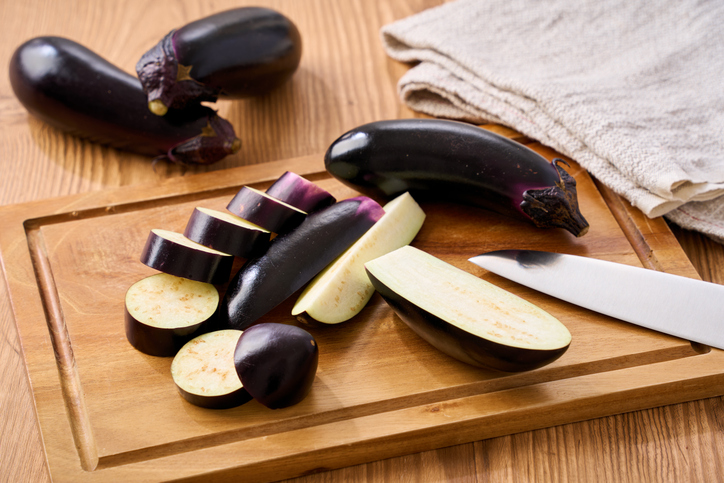
Eggplants and potatoes pose a distinct risk of toxin ingestion if consumed raw. As members of the nightshade family, they contain solanine, a naturally occurring toxic compound that cannot be washed away with water. Because solanine can trigger acute abdominal pain, dizziness, stomach cramps, and vomiting, eggplants should always be steamed, baked, or roasted.
Solanine is also heavily concentrated in potato sprouts. While minor sprouts can be carved out entirely before boiling or baking, potatoes that have developed long sprouts or turned green internally should be discarded. In this green state, solanine levels can surge from a baseline of roughly 7 mg in a fresh potato to a dangerous 80 to 100 mg, making them unsafe to eat.
Bean sprouts are another vegetable that should never be consumed raw, primarily due to how they are commercially cultivated. The warm, humid environments required to grow sprouts are identical to the ideal breeding conditions for food-poisoning bacteria like Salmonella and E. coli. Because these pathogens cannot be thoroughly removed by washing alone, cooking is essential—especially for pregnant women, older adults, children, and individuals with weakened immune systems. To ensure safety, bean sprouts should be blanched in boiling water for at least five minutes or thoroughly stir-fried.
Preventing Severe Bloating and Digestive Discomfort
For individuals managing irritable bowel syndrome (IBS) or general digestive sensitivity, raw onions and garlic can trigger significant discomfort. Both vegetables contain fructan, a complex carbohydrate that the human small intestine cannot fully absorb. As fructan moves into the large intestine, it ferments and produces gas, frequently resulting in painful abdominal bloating and indigestion. Cooking onions and garlic alters these compounds, significantly reducing gastric irritation and making them far gentler on the stomach.
Similarly, broccoli is notorious for causing severe gas and bloating when eaten raw. This reaction is driven by raffinose, a complex sugar that the human body lacks the proper enzymes to break down. Undigested raffinose passes straight to the large intestine, where it is fermented by resident gut microbes. Cooking broccoli breaks down its tough fibrous structure and softens these problematic sugars, allowing for much smoother digestion and less metabolic strain.











