Actor Heo Nam-jun, 32, who has drawn widespread attention for his role as Cha Se-gye in the drama Brave New World, has shared the precise details of his tightly controlled diet.
Heo described the rigorous eating plan he adopted to prepare for a shirtless scene in a video posted July 3 on broadcaster Ha Ji-young’s YouTube channel.
“When I’m filming, I barely eat carbohydrates,” Heo said. “I was having a hard time sticking to a diet while working, and then senior actor Jang Seung-jo told me about something called 'carnivore.' You really eat only meat. You don’t eat vegetables or anything else.” He added, “When you’re filming, you can’t really eat properly, right? What you can eat is so limited, and I love that I can eat meat.”
Heo noted that he has consumed almost no carbohydrates for the past few months. Underscoring how strict his regimen has been, he detailed his breakfast routine: “I have broth boiled with organ stock, an olive oil lemon shot, cabbage juice, and ghee butter with pink salt. I used to eat a banana too, but I stopped because bananas are carbohydrates.”
Heo has been winning strong support for his performance in SBS’ Friday-Saturday drama Brave New World, where he plays Cha Se-gye, a monstrous chaebol born of capitalism, opposite Lim Ji-yeon, who plays Shin Seo-ri, an unknown actress possessed by the spirit of a villainess. Here’s a closer look at the carnivore diet he chose.

Carnivore Diet: Eating Only Meat and Animal-Based Foods
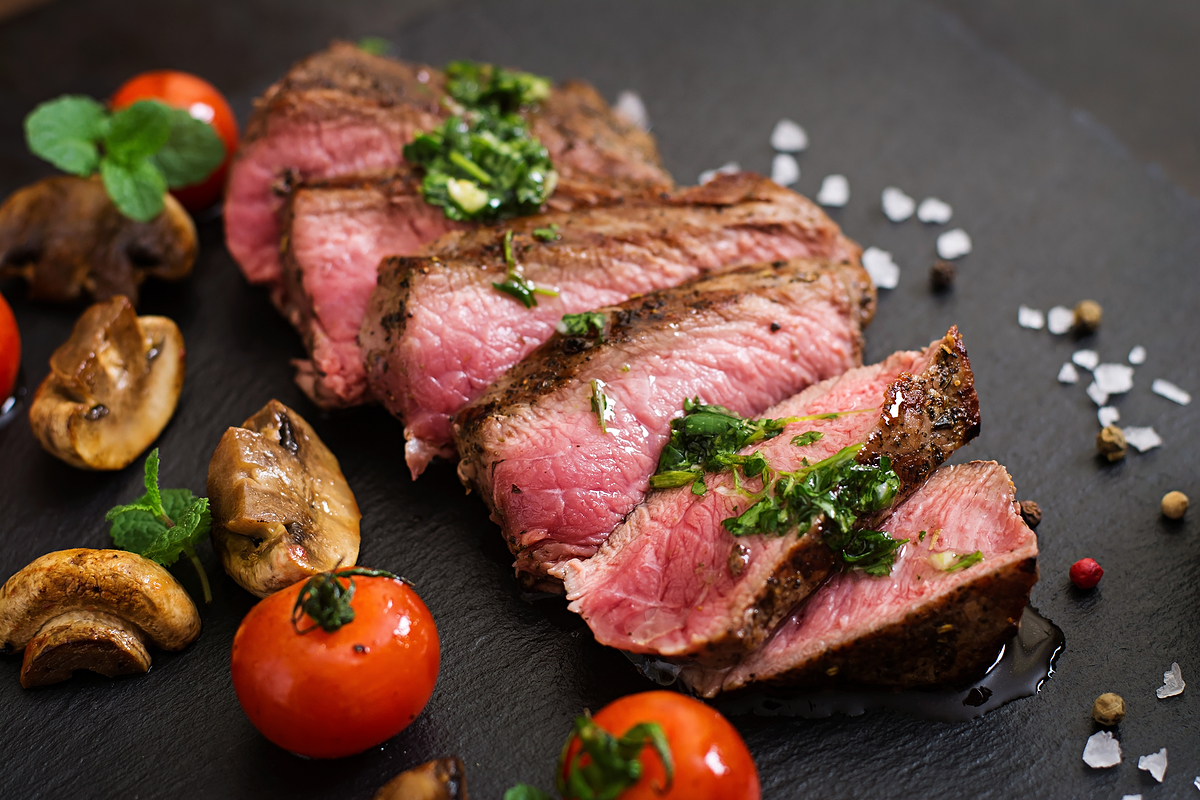
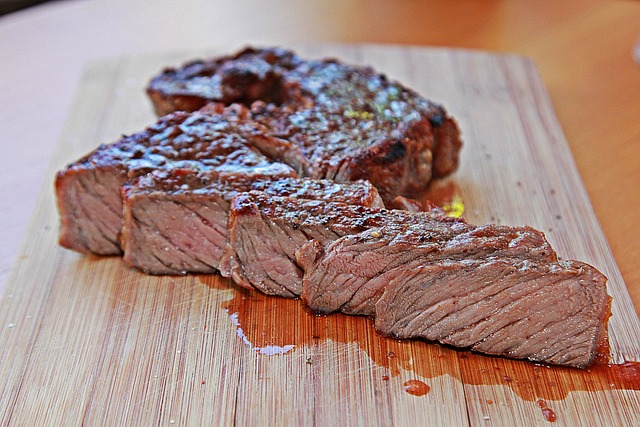
The carnivore diet that Heo chose for drama filming centers entirely on meat and other animal-based foods. It has recently drawn significant attention among entertainers and fitness enthusiasts in Korea and abroad as an aggressive way to reduce body fat. As the name suggests, the carnivore diet literally means an animal-based diet. Followers mainly consume animal foods such as beef, pork, chicken, fish, eggs, butter, and cheese, while eating little to no plant-based foods such as vegetables, fruit, grains, and legumes. Some even try an extreme version that consists of only beef and water, effectively bringing their carbohydrate intake close to zero.
Similar to the Emperor Diet, but More Extreme
The carnivore diet is often compared to the “Emperor Diet,” which was popular in Korea in past decades. The Emperor Diet is also a low-carbohydrate approach that increases meat intake while restricting carbohydrates, but it frequently allows vegetables and some dairy products. By contrast, the carnivore diet is far more intense because it completely excludes even vegetables and fruit, relying solely on animal-based foods. Because of this, it is classified as one of the most extreme forms of low-carb dieting.

Why Weight Loss Can Happen
Among people who follow the carnivore diet, many report losing weight in a short period. This occurs primarily because a sharply reduced carbohydrate intake lowers the body’s glycogen stores, causing the water weight stored along with glycogen to be lost as well. Increased protein intake also boosts satiety, which naturally helps reduce total calorie intake. For that reason, some entertainers and athletes use it as a short-term method to cut body fat ahead of filming or competitions.
Supporters of the carnivore diet cite benefits such as rapid weight loss, reduced appetite, and smaller swings in blood sugar. They argue that sharply cutting carbohydrates reduces insulin secretion and makes post-meal blood sugar fluctuations more gradual. Experts caution, however, that these effects do not necessarily occur simply because someone is eating only meat, and may instead reflect broader physiological patterns seen across low-carbohydrate diets in general.
Side Effects and What to Watch For
There are also plenty of health concerns associated with this diet. Because it includes little to no vegetables and fruit, dietary fiber intake falls critically short. Critics note that this deficiency can lead to severe constipation or negatively affect the gut microbiome. Intake of certain essential nutrients—such as vitamin C, folate, magnesium, and potassium—can also become insufficient, raising concerns that long-term adherence could lead to severe nutritional imbalances.
Some clinical cases have also reported significant increases in LDL cholesterol and ApoB levels. In particular, eating large amounts of high-fat meat over a long period warrants serious caution from a cardiovascular health standpoint. In addition, when carbohydrate intake drops sharply and the body shifts to using fat as an energy source, some people temporarily experience "keto flu" symptoms, including headaches, fatigue, dizziness, and reduced concentration.
Debate Over Long-Term Safety
While the carnivore diet has attracted significant attention, researchers have not yet accumulated enough clinical evidence regarding the safety of maintaining a diet that completely excludes vegetables and fruit over the long term. Nutrition experts advise that if weight loss is the primary goal, a balanced low-carbohydrate diet that appropriately includes vegetables and fruit while controlling overall carbohydrates is a far more realistic and sustainable approach.
Experts stress that for celebrities, short-term physique management and the general public’s long-term health management goals are fundamentally different. They add that rather than blindly following a trendy diet, it is vital to choose an eating plan that fits your individual health status and lifestyle patterns.