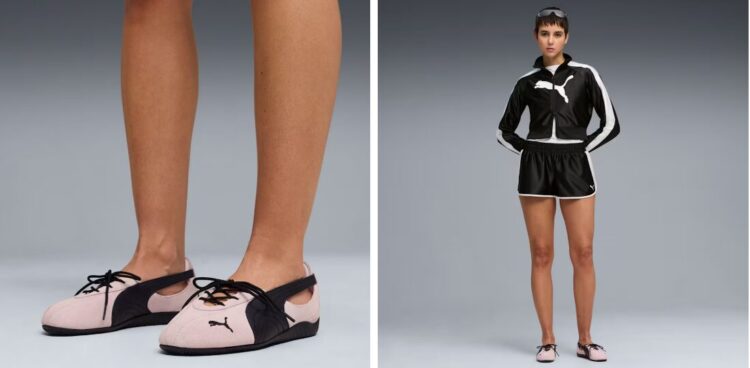
Low-profile sneakers, characterized by their lack of a heel and thin soles, are surging in popularity. Beyond basic athletic wear, this minimalist style is now appearing in everything from flats to loafers. Compared to conventional shoes with thick, cushioned soles, these "barefoot-style" shoes do more than just offer comfort—they may significantly enhance blood circulation by activating the body’s auxiliary heart.
The relationship between footwear and circulation is a physiological detail often overlooked. To understand it, consider the process of donating blood: donors are told to repeatedly clench and relax their fists. This contraction of the forearm muscles compresses the veins, pushing blood upward toward the heart. A similar, yet far more powerful, mechanism exists in the lower body.
The Calf: The Body’s Auxiliary Heart
While many once believed the foot was the "second heart," modern physiology confirms this title belongs to the calf. The calf muscles act as a pump; when they contract, they compress deep veins to push blood upward against gravity. When they relax, the veins refill, and the cycle continues.
The heart, despite its power, cannot always move blood efficiently from the body’s furthest extremities—the feet—back up to the torso, especially while we are standing. This struggle against gravity is clearly visible in cases of varicose veins, where blood pools in the calves because it cannot make the journey upward. To move this blood, the calf muscles must be engaged, but they cannot move on their own; they are activated only through the movement of the feet.
Ranking the Best "Pump" Exercises
Just as clenching a fist moves the forearm, specific foot movements act as the handle for the calf pump. The activities that most strongly activate this mechanism are, in order:
Barefoot Running: The most intense contraction due to the impact and range of motion.
Barefoot Jump Rope: High activation, though the impact is halved as it involves both feet.
Calf Raises: Specifically targeting the muscle by going up on the toes.
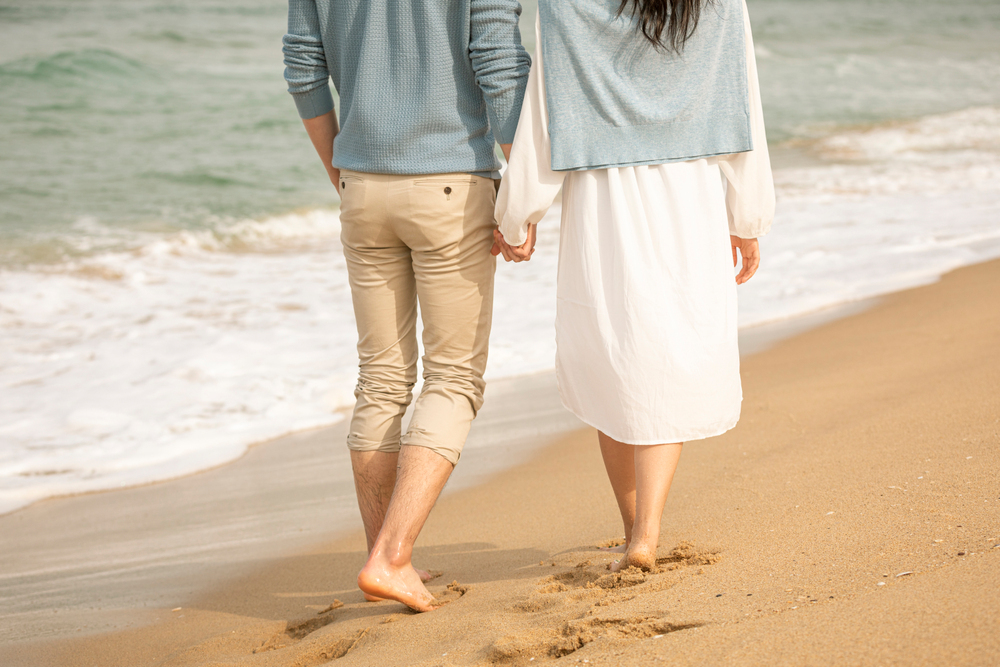
Barefoot Walking: Substantial activation compared to walking in cushioned shoes.
Minimalist or low-profile shoes provide a middle ground for those not ready for full barefoot exercise. In conventional running shoes, the foot is so protected that it barely moves, resulting in minimal calf contraction. In contrast, low-profile shoes allow the foot to flex, forcing the calf to work as nature intended.
From Circulation to Brain Health
The benefits of a strong calf pump extend far beyond the legs. When the calves push blood upward, it increases the "stroke volume"—the amount of blood the heart pumps out with each beat. This improved circulation ensures the brain receives a generous supply of oxygen. In his book Foot Health Methods That Make You Look 10 Years Younger, Japanese author Tadao Ishitsuka argues that because the brain and feet are connected through a vast network of vessels and nerves, moving the feet is essential for cognitive health.
Enhanced oxygenation of the brain is often linked to better sleep and improved mental clarity. This is supported by numerous firsthand accounts, including those shared by Cho Ung-rae, chairman of Sunyang Soju. Cho, who created a renowned barefoot walking trail with yellow clay on Gyejoksan Mountain in Daejeon, has frequently highlighted how barefoot activity improves overall well-being.
Changing Your Step: The Forefoot Strike
To maximize the benefits of low-profile shoes, a change in gait is required. Conventional shoes encourage a "heel strike," which barely engages the calf. To activate the pump, one should transition to a "forefoot landing"—stepping lightly on the front or outer edge of the foot first.
Some may worry that frequent calf engagement will lead to "bulky" legs. However, muscles developed through walking and light running are rarely oversized; rather, they develop stabilizing fibers that often result in a smoother, more toned appearance. Your body contains two auxiliary hearts located in your calves. Whether through minimalist sneakers or barefoot walking, activating your feet is a simple way to support your entire cardiovascular system.