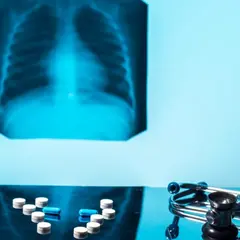
A low-carbohydrate, high-fat (LCHF) diet may facilitate short-term weight loss, but it is unsustainable and poses significant long-term health risks.
According to an analysis of the U.S. National Health and Nutrition Examination Survey (NHANES) data covering over 24,000 participants, those on an LCHF diet faced a 50% higher risk of death from cardiovascular disease, a 51% higher risk from cerebrovascular disease, and a 35% higher risk of death from cancer compared to those on a balanced diet. Consequently, medical experts strongly advise against it as a therapy for obesity [1].
The Muscle-Burning Paradox: A Time Bomb for Falls
For patients with arthritis, this diet can be particularly hazardous. When carbohydrate intake is inadequate, the body does not limit its fuel source to fat; it begins to break down protein, leading to a significant decrease in muscle mass.
A study of individuals performing high-intensity functional training (CrossFit) found that after just three months on an LCHF diet, the thickness of the vastus lateralis—a key muscle in the thigh—decreased by approximately 8% [2]. As an orthopedic surgeon, this "muscle thief" is my primary concern. For arthritis patients already struggling with gait impairment, losing thigh muscle destabilizes balance and dramatically increases the risk of falls and life-altering fractures.
The Rise and Fall of the “Emperor Diet”
The current LCHF trend is a variation of the Atkins diet, which gained worldwide fame in the 1990s (known in Korea as the “Emperor Diet”) by claiming one could lose weight while eating unlimited meat. Even high-profile figures like the late Samsung Chairman Lee Kun-hee were rumored to have tried it.
While initial weight loss is common, the diet often fails because the side effects of excessive fat intake eventually make it unsustainable. In the United States, the trend faded after Dr. Atkins died in 2004 at the age of 72, weighing 116 kg and suffering from complications related to obesity and heart disease. Following his death, his company filed for bankruptcy and several lawsuits filed by individuals who suffered health complications were dismissed [3, 4]. Despite this history, modified versions of the diet continue to resurface, misleading new generations of consumers.
Health Information or Marketing?
The persistence of the LCHF trend is often driven by profit. Many proponents of these diets generate significant income by selling supplements to readers. Because LCHF diets are inherently deficient in essential vitamins, minerals, dietary fiber, and antioxidants, followers are often told they must purchase specialized supplements to maintain their health. A quick visit to many of these "health advice" websites reveals an overwhelming number of advertisements, essentially operating as modern-day medicine peddlers.
In 2020, U.S. News & World Report ranked the ketogenic diet as the worst among 35 evaluated dietary patterns [5, 6]. One panelist noted:
"A healthy diet should be simple, should not have complicated rules, and should not require special foods."The Physician’s Duty: Do No Harm

The Physician’s Duty: Do No Harm
The ultimate goal of any diet should be health, not just a lower number on the scale. Any regimen that requires a cocktail of supplements to prevent nutritional deficiency is fundamentally flawed.
Medical professionals who promote such harmful diets in the media either lack a basic understanding of nutrition or are knowingly misleading the public for personal gain. This violates the foundational principle of Hippocratic medicine: “Do no harm.” A diet that prioritizes rapid weight loss at the expense of muscle mass and cardiovascular health is one that no patient should follow.
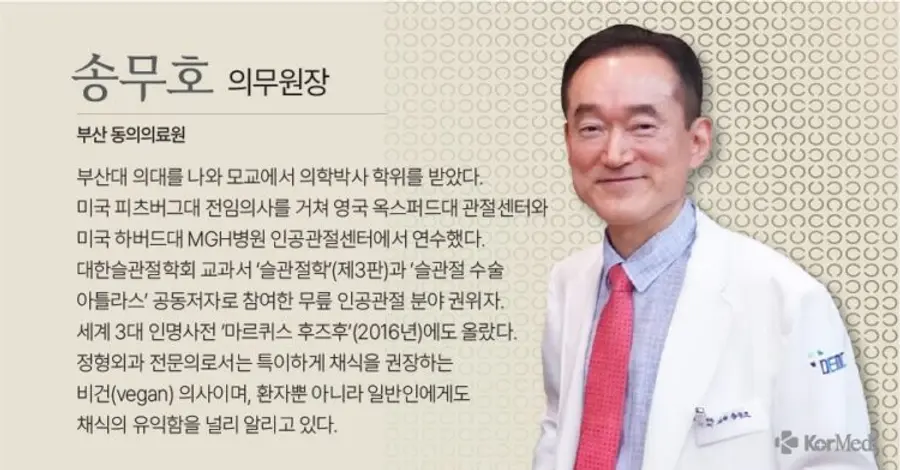
Song Mu-ho, MD Specialist in Orthopedic Surgery and Lifestyle Medicine
References
1. M Mazidi, N Katsiki, DP Mikhailidis, et al. Lower carbohydrate diets and all-cause and cause-specific mortality: a population-based cohort study and pooling of prospective studies. Eur Heart J 2019;40(34):2870-2879.
2. WC Kephart, CD Pledge, PA Roberson, et al. The three-month effects of a ketogenic diet on body composition, blood parameters, and performance metrics in CrossFit trainees: a pilot study. Sports 2018;6(1); doi:10.3390/sports6010001.
3. Chosun Ilbo https://www.chosun.com/site/data/html_dir/2004/02/11/2004021170319.html
4. Wikipedia https://en.wikipedia.org/wiki/Atkins_diet#cite_note-27
5. Global News https://globalnews.ca/news/6376259/keto-diet-dangerous/
6. CNN https://edition.cnn.com/2020/01/02/health/best-diet-worst-diet-2020-wellness