"I found the cancer late, and treatment was grueling. It was a massive financial and emotional burden on my entire family." This sentiment is shared by many among the 2,732,906 cancer survivors and patients currently in Korea as of January 2024. Statistically, one in every 19 people in the country is affected by cancer. Because many forms, such as breast cancer, can recur or metastasize even 20 years after an initial diagnosis, the word "cured" is used with extreme caution.
While thyroid cancer remains the most common among survivors, the landscape of digestive cancers is shifting. According to national registry statistics released in January, the number of new colorectal cancer cases in 2023 reached 32,610, surpassing stomach cancer (28,943). While stomach cancer rates are declining due to a reduction in salty food intake and widespread gastroscopy screenings, colorectal cancer is on a sharp upward trajectory.
Why colorectal cancer continues to climb
The primary driver behind this surge is the deep-rooted adoption of Western-style diets. Two decades ago, colorectal cancer was relatively uncommon in Korea, and colonoscopy specialists were rare. Today, screening centers are ubiquitous, reflecting the explosion in patient numbers.
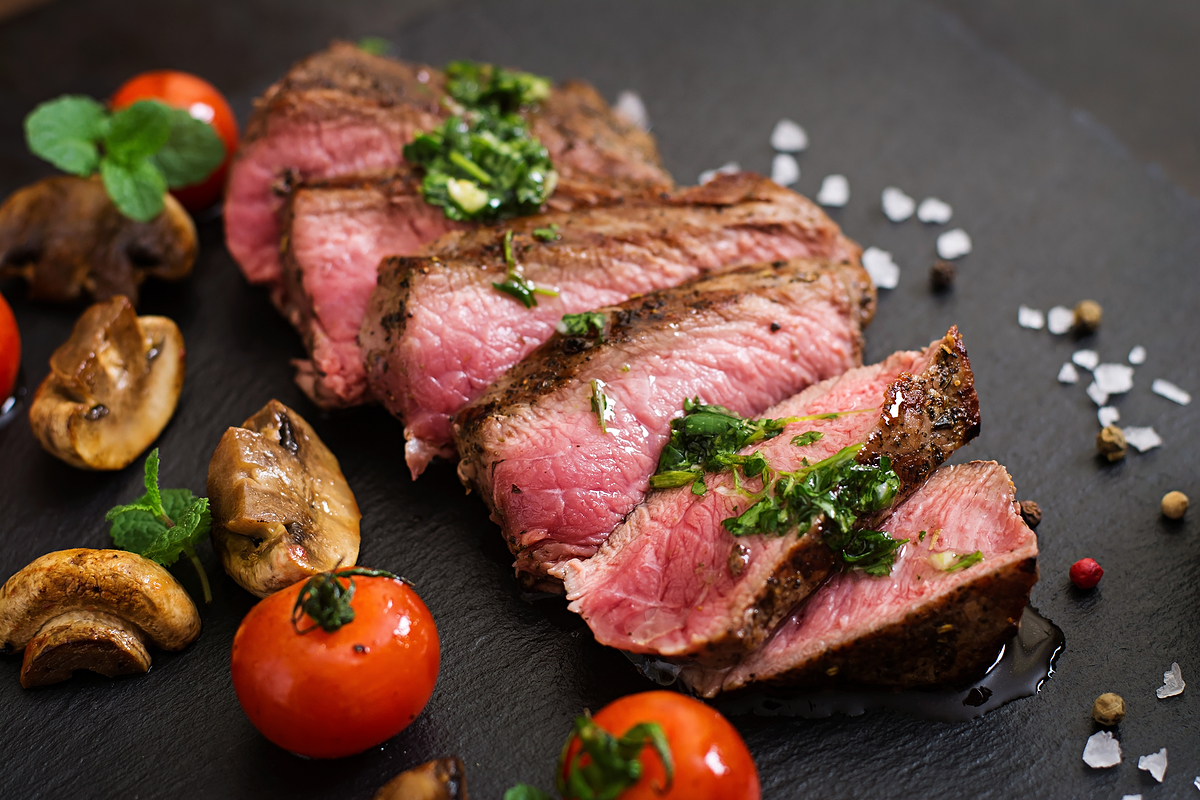
The shift is largely attributed to the increased consumption of saturated fats and animal proteins. While Koreans previously favored boiled preparations like suyuk (boiled pork slices), there is now a strong cultural preference for meat grilled over an open flame. Furthermore, the consumption of processed meats—such as ham, bacon, and sausages—has skyrocketed. The World Health Organization's International Agency for Research on Cancer (IARC) classifies processed meat as a Group 1 carcinogen.
The dietary impact on women and the middle-aged
Colorectal cancer shows a surprisingly narrow gap between the sexes. While men (19,156 cases) still outnumber women (13,454 cases), the high number of female patients suggests that dietary habits play a more significant role than traditionally male-centric risk factors like smoking or drinking.
Age-wise, those in their 60s account for 26.6% of patients, followed by those in their 70s (20.0%) and 50s (19.7%). For women, the onset of cancer often coincides with the menopausal transition, adding a severe physical burden during an already difficult life stage.
What you should always eat alongside meat
The most hazardous eating habit is consuming grilled or processed meats without accompanying vegetables. Charred meat produces carcinogens, but certain plant compounds can help neutralize them:
Allyl Compounds: Found in garlic, onions, chives, and scallions, these help the body process and eliminate carcinogens.
Sulforaphane: Abundant in cruciferous vegetables like napa cabbage, broccoli, kale, and radish, this compound is known to suppress colorectal cancer development.
Dietary Fiber: Found in whole grains, seaweed, fruits, and vegetables, fiber accelerates the passage of waste through the gut, reducing the time the intestinal mucosa is exposed to harmful substances.
Cleaning the gut through activity and screening
Beyond diet, physical activity is a crucial preventive measure. Exercise promotes intestinal peristalsis, ensuring that stool—and any carcinogens it contains—does not linger in the colon. Conversely, prolonged sitting combined with a high-calorie diet increases the risk of rectal cancer, which carries a higher risk of requiring complex surgeries.
The Korean government plans to integrate colonoscopies as a basic component of the national cancer screening program by 2028, expanding the target age to 45–74. Regular screenings are vital because they allow doctors to identify and remove adenomatous polyps before they turn into malignancy.
In the U.S. and Europe, colorectal cancer has long been a leading cause of death due to high red meat consumption. As Korea faces a similar trend, the solution lies in the side dishes. When eating meat, make it a rule to finish every vegetable on the table. Nothing cleanses the digestive tract as effectively as fiber, and a small shift in your mealtime habits could be the key to long-term prevention.