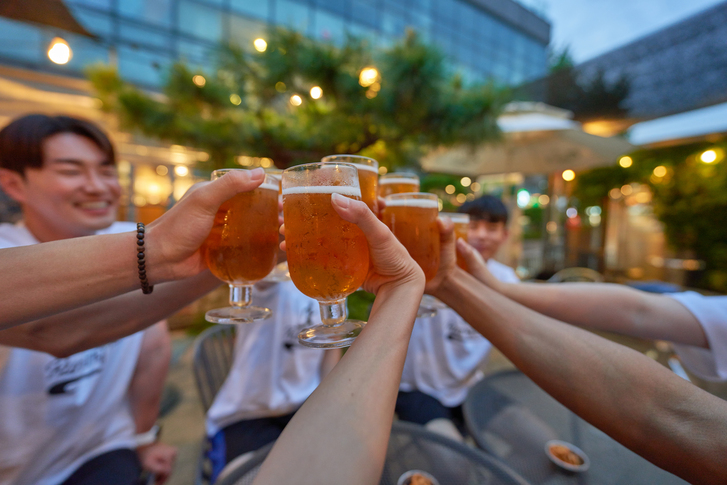
After a grueling workout, it is tempting to reward yourself with a cold beer, especially after sweating through intense cardio or strength training. However, consuming alcohol immediately following exercise can have several harmful effects on the body. While it is widely understood that exercising while intoxicated is dangerous, the risks of post-workout drinking are equally significant.
Alcohol Worsens Post-Exercise Dehydration
Exercising naturally leads to fluid loss, and drinking alcohol while already dehydrated can be a dangerous combination. Alcohol acts as a diuretic, which can lead to even greater fluid depletion.
Research has shown that when individuals consume beverages with a 4% alcohol content after exercise, urine output increases and the restoration of blood volume is significantly delayed. Even if you feel momentarily refreshed, alcohol actually intensifies thirst and interferes with the high-quality sleep required for the body to reset.
Harmful Effects on Muscle Recovery
High-intensity aerobic activities—such as running, cycling, or Zumba—cause temporary muscle damage and deplete the energy stores (glycogen) within the muscles. Furthermore, the loss of body fluid through sweat reduces blood volume, which is critical for delivering oxygen to muscles and organs.
In this state, the body is desperate for recovery, making proper nutrition and hydration essential. Alcohol, however, acts as a barrier to this process. It suppresses the hormones responsible for muscle repair, thereby slowing the healing of exercise-induced damage and hindering the growth of new muscle tissue.
A Barrier to Injury Recovery and Weight Loss
If you have sustained even a minor soft-tissue injury during your workout, drinking alcohol can worsen the condition. Alcohol dilates blood vessels, which increases swelling at the site of the injury.
While it is debated whether alcohol directly blocks energy storage, heavy post-exercise drinking is often associated with poor nutritional choices. This delay in replenishing energy stores can leave you feeling fatigued for days. Furthermore, while alcohol is high in calories, it contains virtually no nutrients, making it a major obstacle for those exercising with weight-loss goals.
The Better Alternative: Electrolytes and Protein
To speed up the recovery process, the body needs a combination of carbohydrates, protein, and electrolytes. Rather than reaching for a beer, consider the following:
Sports Drinks and Chocolate Milk: This combination can effectively restore hydration while providing the protein necessary for muscle repair.
Water and Nutrient-Dense Food: Drinking water alongside a balanced meal can help replenish what was lost during exercise.
Avoid "Water Only": Drinking large amounts of plain water alone does not replenish electrolytes, meaning it may not fully restore the body's chemical balance after a heavy sweat session.
Prioritizing proper recovery today ensures that your body remains strong enough for your next workout tomorrow.