
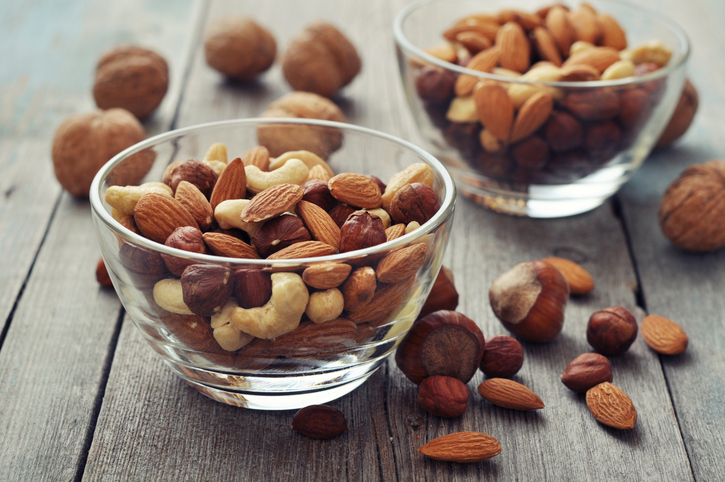
Nuts are frequently cited as one of the world's premier health foods. From walnuts and peanuts to almonds and pine nuts, these nutrient-dense snacks are increasingly being incorporated into modern diets for their "good fats," which are essential for cardiovascular health. However, their benefits come with a significant caveat: high fat content and caloric density. Consuming nuts in excess can lead to digestive issues and unintended weight gain, making moderation the most important factor in their consumption.
The Caloric Reality of Walnuts and Almonds
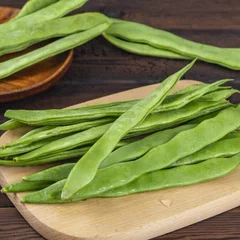
To understand the energy density of nuts, one only needs to look at the Korean National Standard Food Composition Table. Per 100g, dried and boiled kidney beans contain approximately 169 kcal. In stark contrast, dried walnuts contain 688 kcal, and almonds contain 581 kcal.
Beyond fat, almonds contain 20.1g of carbohydrates and 6.8g of sugars per 100g. While these are "healthy" foods, eating large quantities every day significantly increases the risk of obesity. Health experts generally recommend limiting intake to about one handful of walnuts per day, with an even slightly smaller portion for almonds.
The Role of 'Good Fats' in Vascular Health
Despite their caloric load, the fats found in nuts are vital for bodily function. They provide essential energy and assist in cellular composition. Unlike the saturated fats found in fatty meats, nuts are rich in unsaturated fatty acids. These "good fats" are instrumental in lowering triglycerides and "bad" LDL cholesterol levels. By reducing lipid waste within the blood vessels, they improve circulation and help prevent serious conditions such as myocardial infarction (heart attack), angina, and strokes caused by arterial blockages.
From Hair Health to Anemia Prevention
The benefits of nuts extend far beyond the heart. High levels of Vitamin E help maintain hair health and can contribute to the prevention of hair loss. This powerful antioxidant also protects cell membranes and promotes blood flow, which keeps the skin elastic and provides an anti-aging effect.
Specific nuts offer unique advantages. Pine nuts, for instance, contain higher iron levels than walnuts or peanuts, making them an effective dietary choice for preventing anemia. They also boast an excellent amino acid profile and are packed with essential nutrients—including potassium, vitamins B1, B2, B5, niacin, and folic acid—which are known to enhance memory and strengthen respiratory function.
Storage Science: Keeping Nuts from Going Rancid
Proper storage is essential to maintain the nutritional integrity of nuts. Because they are sensitive to humidity and prone to oxidation, they should be stored in airtight containers or sealed plastic bags in the refrigerator or freezer. Minimizing contact with air is critical; at room temperature, the oils in nuts—especially shelled walnuts—can easily go rancid, leading to a change in color, taste, and the development of a sour odor.
Even when kept in the freezer, it is best to consume nuts within three months of opening the package, regardless of the expiration date, to ensure they remain fresh and safe for consumption.