“In the early morning, my five-year-old was rolling around in pain. I searched just in case, and to my surprise, the local hospital's emergency room was open! I was shocked to see doctors, nurses, and technicians all on standby at 4 AM, and I was deeply moved by their kindness.”
“When looking for a new home, I couldn’t imagine a neighborhood without this hospital. I ended up giving up on my moving plans because I want my child to grow up here.”
Vivid testimonials of gratitude like these are easy to find when searching for "Woori Children’s Hospital" online. Established 13 years ago, the hospital was founded by a young doctor who ignored warnings that a pediatric hospital in Seoul would soon fail. Since then, he and his team have been dedicated to easing the fears of young patients and their parents every day.
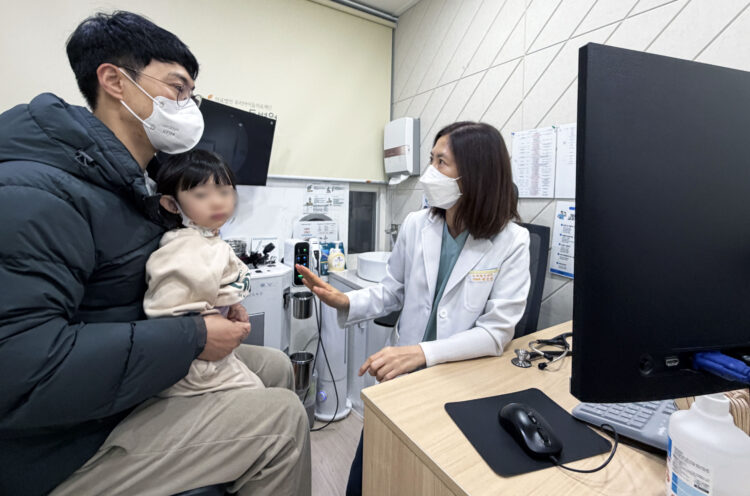
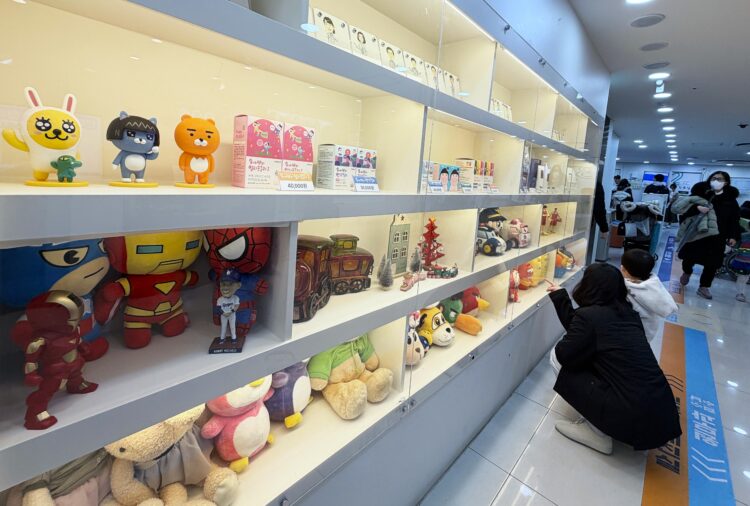
Since its opening in 2013, Woori Children's Hospital has earned a reputation for treating children at their eye level. The facility features a specialized nursing system that excels at pediatric IV placement and operates ondol-style (radiant floor-heated) rooms to prevent falls. Eschewing accident-prone escalators, the hospital separates treatment floors for sick children from those visiting for routine tests. It also includes libraries, art rooms, and play areas to make the environment more welcoming.
Jung Seong-gwan, Chairman of the Woori Children's Medical Foundation, notes that the vision for a specialized children's hospital began during his mandatory public health service. At the time, he was the only pediatrician in Cheorwon, Gangwon Province, where he treated up to 100 patients a day without holidays for three years.
“Most patients were from military families. I couldn’t send them back when they had traveled so far by taxi,” Jung recalls. “One day, a four-year-old with pediatric cancer arrived with severe pneumonia. They had been turned away by a major university hospital in Seoul because the ICU was full. I cared for them in a single room for three days until the crisis passed. That experience convinced me that a secondary hospital—acting as a bridge role between local clinics and university centers—was absolutely necessary.”
Jung was a rising talent in academia, having earned his master’s and doctorate in pediatric nephrology during his residency and undergoing training at the National Institutes of Health (NIH) in the U.S. A prestigious professorship seemed guaranteed.
“My professors were worried,” he says. “They warned me that due to the low profitability of pediatrics, I would fail within three months in Seoul. One mentor told me to return to the university if I didn’t succeed within six months.”
At the time, existing children's hospitals in Seoul were struggling or closing down. Undeterred, Chairman Jung and six fellow doctors who shared his vision spent sleepless nights blueprinting a new kind of institution. They eventually secured a 15-story building near Guro Station, designating four floors for the hospital.
Finally, in April 2013, Woori Children's Hospital opened with seven specialists and 40 staff members. The design was revolutionary: the second floor was dedicated exclusively to sick children, while the third floor was reserved for check-ups and vaccinations to prevent cross-infection.
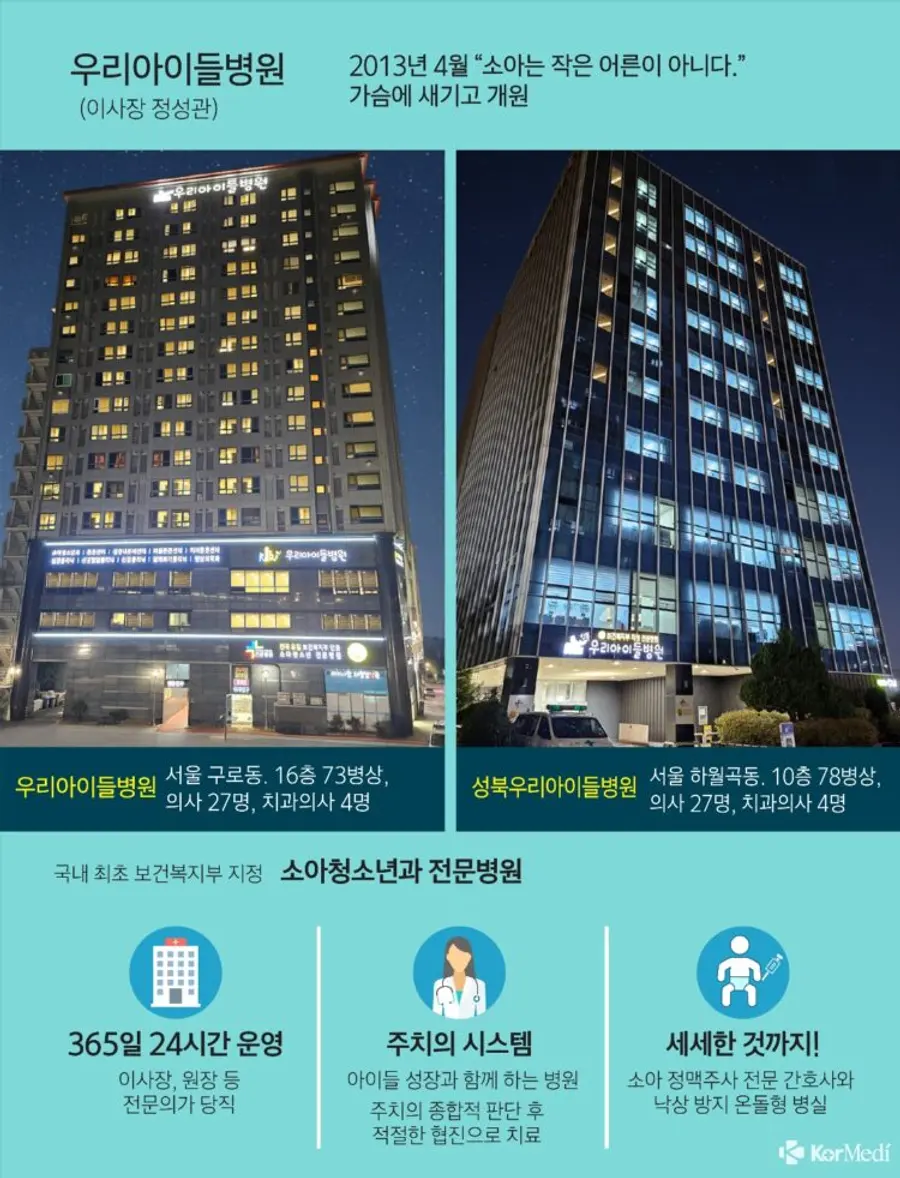
Initially, some guardians were confused, asking why a hospital of this size would refer patients to larger university centers for certain procedures. However, as the benefits of a specialized secondary hospital became clear through word of mouth, daily patient numbers surged from 300 to over 1,000. This success led to the expansion of the inpatient ward in 2014 and the opening of Seongbuk Woori Children’s Hospital in 2018. In 2020, both were designated as Korea’s first "Pediatric Specialty Hospitals" by the Ministry of Health and Welfare.
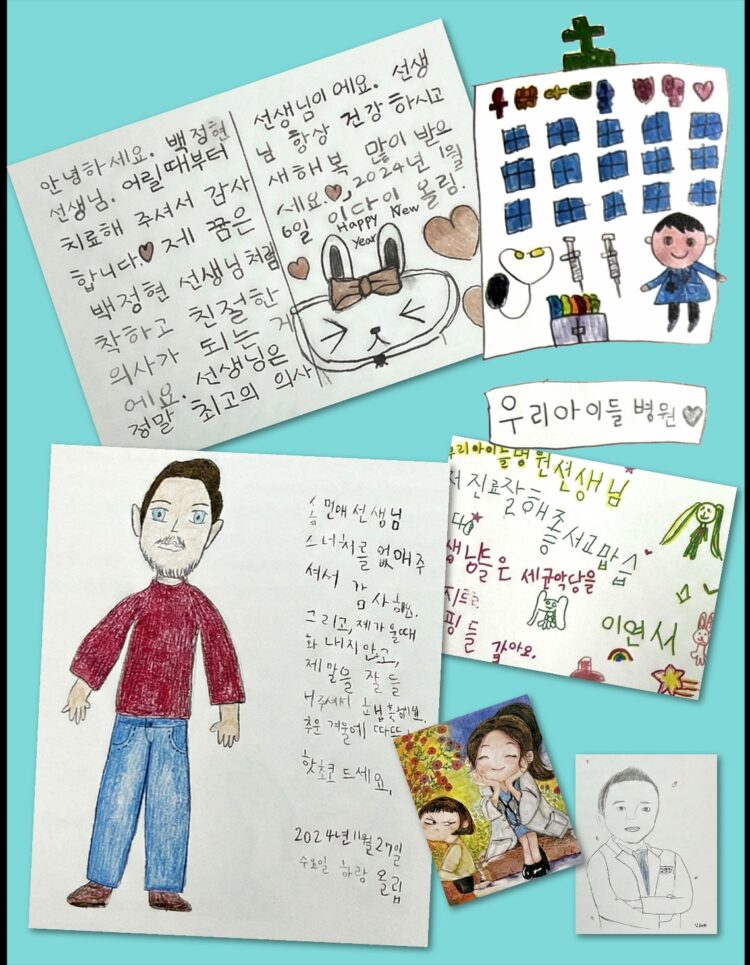
“A Child Is Not a Small Adult”
Chairman Jung points to a phrase in the classic pediatric textbook by Dr. Hong Chang-ui of Seoul National University as his guiding light: "A child is not a small adult."
“Children must be treated according to their developmental stages,” Jung explains. “If you treat them like adults, it creates a negative medical experience. We provide 'expert kindness'—delivering accurate diagnoses using language that a two-year-old or five-year-old can understand.”
He leads by example, even noting details like "prefers strawberry flavor" or "cannot take powder" in patient charts to ensure medication is administered successfully. Unlike university hospitals where departments are often siloed, Woori Children's Hospital uses a systematic internal consultation model to check a child's overall nutritional and mental development, often leading to the early detection of serious diseases like cancer or brain tumors.
The hospital’s foresight was particularly evident during the COVID-19 pandemic. Its early adoption of separated patient pathways allowed it to become the nation’s first "National Safe Hospital." In collaboration with an IT firm, they developed "Woori Doctor," an AI home treatment system, and operated a 24-hour situation room that became a role model for national quarantine efforts.
Currently, the hospital is evolving into a smart medical center. Under Vice Chairman Nam Seung-woo, researchers are developing an AI stethoscope that analyzes heartbeats and breathing sounds. This research, published in the renowned journal IEEE-EMBS, is currently in the medical device approval stage, with plans to present at CES 2026.
Woori Children’s Hospital also serves the community as a "Sprout Guardian Hospital" for abused children and supports low-income families and adoption agencies.
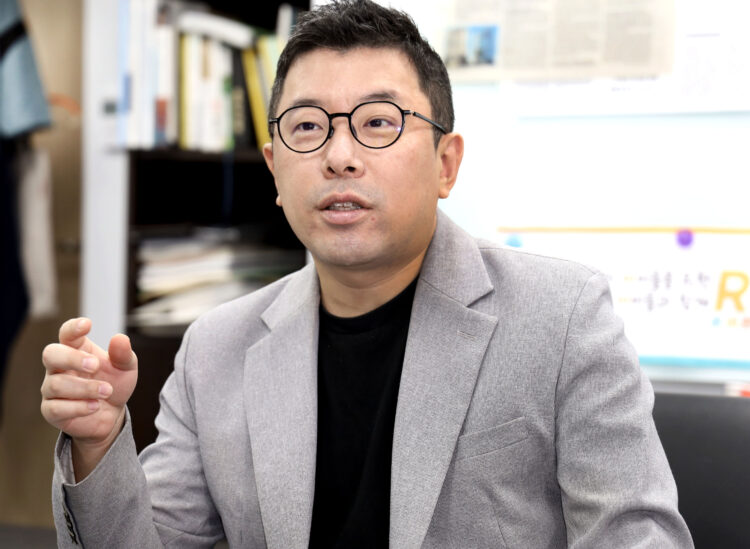
The "24-Hour Friend Clinic"
Since last year, the hospital has operated the "24-Hour Friend Clinic," providing night and holiday care 365 days a year.
-Why was the name changed from "7-9 Clinic" to "Friend Clinic"?
"We wanted to highlight that our medical staff operates like friends to our patients and their guardians. Since last April, we extended our night treatment to a full 24-hour system. We hired 60 additional staff members to make this possible. So far, 6,400 children have visited, with 41% of new patients arriving during the late-night hours. We are proud to serve as the bridge role in the pediatric system, allowing university hospitals to focus on the most severe cases."
-What are the biggest challenges in maintaining this system?
"The primary issue is the medical reimbursement rate. We made large-scale investments to hire specialists, but government compensation is only about one-tenth of what is needed, resulting in a deficit. Additionally, while we are open 24 hours, almost no pharmacies are open at night. This institutional gap makes it difficult for parents to get prescriptions filled immediately."
Chairman Jung also hopes to see a stronger culture of hospital donations in Korea. “In Vancouver, community donations fund hospital expansions. In Korea, donations are mostly concentrated in a few large university hospitals. I hope local governments and companies will start contributing more to hospitals that directly benefit their residents. Helping a good hospital is the best form of welfare.”
On a recent holiday, Chairman Jung was back in the clinic treating patients. “In the early days, my pride came from discovering a rare disease. Now, my greatest joy is when a child I treated a decade ago returns as a healthy adult just to say hello. The medical staff and the patients grow together.”