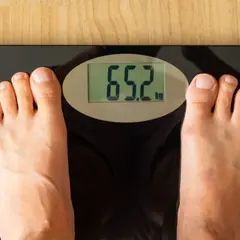
Singer Soyou has sparked a fresh conversation around fitness by detailing the rigorous methods behind her dramatic 20kg weight loss. On February 26, the star uploaded a comprehensive guide titled "What kind of management does Soyou do? I will tell you all" to her YouTube channel, addressing her fans' curiosity regarding her transformed appearance.
When asked about her changing face shape, Soyou was remarkably candid about her journey. "My current weight is 49kg, but my maximum weight before this journey was 68kg," she revealed. "I was shocked by that number and decided to commit. Many people talk about losing 10kg, but I actually lost 20kg, which is why my facial structure looks so different now."
A significant portion of her success involved overcoming a stubborn plateau. Soyou recounted how her progress stalled last April, with her weight fluctuating between 54kg and 56kg despite a diligent routine. Her solution was a strategic shift in her training philosophy: a temporary reduction in muscle mass. "I significantly increased the proportion of cardio and focused on bodyweight exercises rather than heavy lifting," she explained. "I hardly did any lower body training. As the large muscle groups in my glutes and thighs began to decrease, my weight dropped exponentially, helping me shed those final 5kg."
The Relationship Between Muscle, Glycogen, and Water Weight
Hitting a plateau, as Soyou experienced, is a common physiological hurdle. It is driven by homeostasis—the body’s natural tendency to maintain a constant internal state. This often results in a "stair-step" weight loss graph rather than a smooth, linear decline.
Soyou’s decision to reduce lower-body training targeted the body's largest muscle groups. When strength training is deprioritized in favor of prolonged cardio, muscle fibers can decrease in size. This process triggers a rapid drop in scale weight, largely due to the loss of stored water. Muscles store carbohydrates in the form of glycogen; specifically, every 1g of glycogen is bound to at least 3g of water. When glycogen stores are depleted through cardio and a lack of hypertrophy training, the accompanying water is flushed out, resulting in a sudden, noticeable reduction in weight.
However, medical experts warn that this specific method carries long-term risks. A decrease in muscle mass leads to a lower basal metabolic rate (BMR). This means the body burns fewer calories at rest, potentially making it easier to regain weight—the "yo-yo effect"—even while consuming the same amount of food as before. Additionally, the loss of large muscle groups can result in a loss of skin elasticity and a "flat" appearance in the lower body.
Redefining Your "Set Point": The Six-Month Rule
To achieve lasting change without compromising metabolic health, experts suggest focusing on the "weight regulation point," or set point. It generally takes about six months of consistent habits for the body to accept a new weight as its "normal." Rather than seeking rapid muscle loss, it is advisable to maintain a healthy, balanced diet for at least half a year to solidify results.
For those looking to break a plateau safely, small increases in daily activity can be highly effective. Adding 2,000 to 3,000 steps to your daily count or taking a 15-minute walk after meals can provide the necessary caloric nudge.
A sustainable fitness balance typically involves strength training three to four times a week combined with cardio two to four times a week. To prevent the metabolic slowdown associated with muscle loss, even those on a calorie-restricted diet should aim to consume 1.6g to 2.2g of protein per kilogram of body weight. While Soyou’s professional demands required an extreme shift, for the general public, preserving muscle remains the gold standard for long-term vitality.