

"Pain is a warning siren of the body and can itself be a disease," says Director Lee Eui-sang of Yeosu Aeyang Hospital. Having dedicated over 30 years to caring for more than 100,000 patients, Director Lee warns that the common tendency to "tough it out" as we age is a dangerous misconception. Persistent pain activates the sympathetic nervous system, straining cardiopulmonary function and eventually impacting the brain, which can lead to clinical depression.
-Many elderly people endure pain, fearing that taking painkillers frequently will lead to tolerance or organ damage. When is it okay to take medication, and when must one see a doctor?
If you experience acute pain, such as back pain or numbness after exercise, taking over-the-counter relievers like Tylenol is fine. However, you should never endure pain that prevents sleep or makes walking difficult. If pain lasts more than a week, or is accompanied by a high fever, you must seek medical help, as it may indicate a serious infection. Immediate hospital visits are required if you experience nerve-related symptoms like tingling during urination or sudden immobility in your fingers or ankles. In these cases, an MRI is necessary to visualize the nerves directly.
-Is there a specific standard for pain that requires immediate emergency attention?
Chest pain radiating to the shoulder or extreme pain that feels like being cut with a knife—moving from the chest to the back—may indicate an aortic rupture, which is life-threatening. Sudden chest tightness with sweating and a feeling of impending doom suggests a myocardial infarction. The "golden time" for a heart attack is within 2 to 3 hours; you must arrive at a hospital within 12 hours at the latest. Additionally, a headache that feels like your head is splitting could signal a burst blood vessel in the brain and requires an immediate call to 119.
-As an anesthesiology specialist, what considerations do you take for elderly patients? Is general anesthesia safer than spinal anesthesia?
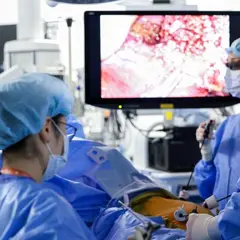
For elderly or critically ill patients, I prefer general anesthesia. There is a misconception that spinal anesthesia is safer, but general anesthesia allows us to manage a patient’s blood pressure and breathing much more stably, especially during major procedures like hip replacement surgery.
-Many fear that general anesthesia causes dementia. Is there a link between the two?
According to the American Society of Anesthesiologists (ASA), there is no evidence that general anesthesia causes dementia. While it involves more medication and may have a slightly larger temporary impact on cognitive function than spinal anesthesia, the anesthetic itself is not a cause of memory loss or dementia. Symptoms may only worsen in those who had undiagnosed dementia or were already taking heavy tranquilizers for depression.
-What is the recommended frequency for steroid pain injections, often called "bone injections"?
Steroids can be a miracle drug when used correctly, but they should not be relied upon entirely. The general recommendation is about 4 to 5 times a year. I set a limit of 50mg of dexamethasone per year. Patients should never seek these as a "preventive" measure before a trip. The goal is to use the least amount of medication while achieving the most significant effect.
-Do you have any final tips for effective pain management?
I recommend patients keep a "Doctor's Prescription for Use"—a detailed record of their medical history, pain types, and medications. This is vital because hospital consultations are often too short for deep conversation. Meticulous records help doctors avoid dangerous mistakes, such as prescribing anti-inflammatories to those with poor kidney function. For those who visit multiple hospitals, keeping a "pain diary" helps you understand your symptoms objectively and prevents excessive or redundant treatments.