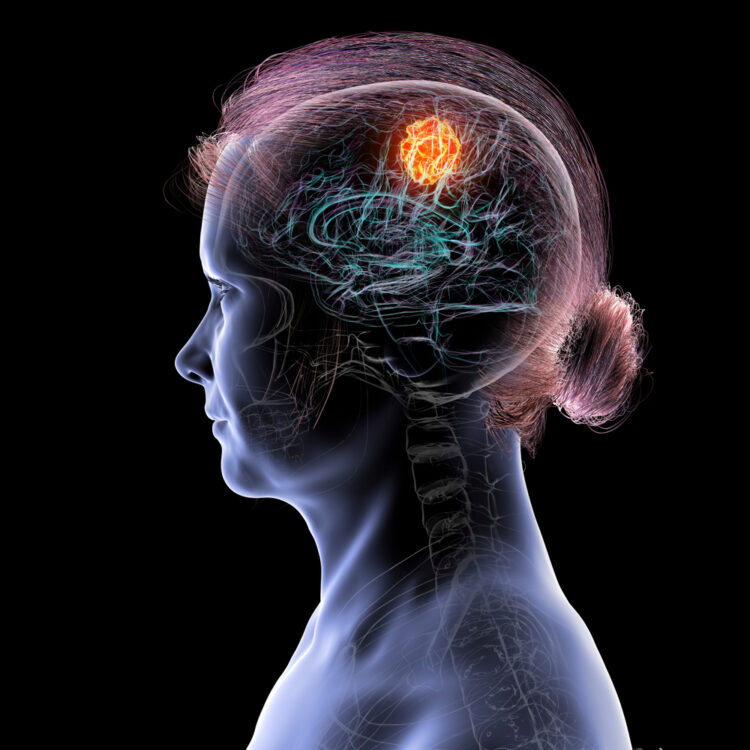
Glioblastoma is widely regarded as the most aggressive and devastating form of brain cancer. Even with "standard treatment"—a combination of surgery, radiation, and chemotherapy—most patients face a survival window of only 12 to 18 months. Because the disease is so resilient, the five-year survival rate remains a staggering 5% to 10%.
The primary hurdle in treatment is that Temozolomide (TMZ), the most effective chemotherapy drug currently available, often becomes ineffective as cancer cells quickly develop resistance. However, a Korean research team has recently announced a breakthrough that identifies how these cells neutralize the drug.
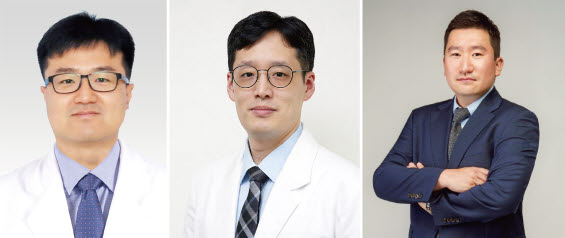
A team led by Professor Seong Kyung-soo of Dong-A University Hospital, alongside Professors Lim Jae-jun (Bundang CHA Hospital) and Moon Jong-seok (Soonchunhyang University), has discovered a new mechanism of resistance. Their findings center on a protein called FOSL1, which allows glioblastoma cells to essentially "reprogram" themselves to survive treatment.
FOSL1: The Key to Cancer "Stemness" and Drug Neutralization
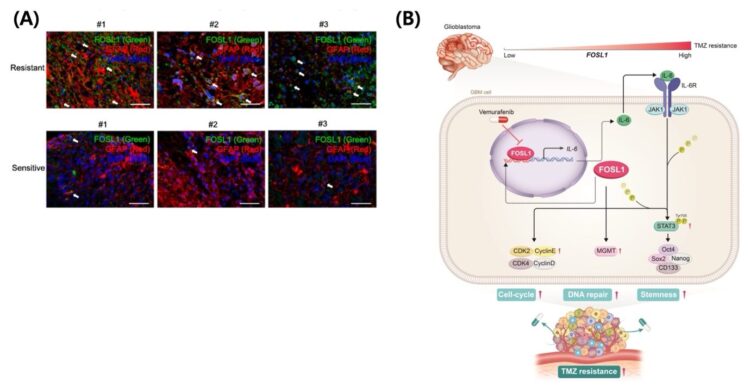
The research team revealed that FOSL1 induces chemotherapy resistance by causing cancer cells to behave like stem cells. By activating the IL-6/STAT3 signaling pathway, the protein allows the tumor to become more resilient and adaptive.
While FOSL1 has been noted in previous studies for promoting cancer growth, this is the first time it has been explicitly linked to Temozolomide resistance in glioblastoma. Clinical data analyzed by the team confirmed that patients with high expression of FOSL1 had significantly worse prognoses. Crucially, the researchers found that inhibiting FOSL1 reduced these stem-like characteristics, restoring the cancer cells' sensitivity to chemotherapy. This suggests that previously "untreatable" resistant cells could potentially be reverted to a treatable state.
A New Hope for Precision Medicine and Targeted Therapy
This discovery, published in the January 2026 issue of the international journal MedComm, offers a fresh therapeutic target that goes beyond previously known factors like the MGMT enzyme or DNA repair systems. Professor Seong Kyung-soo noted that the study unravels a molecular-level challenge that has long frustrated oncologists, while Professor Moon Jong-seok highlighted it as a successful bridge between basic science and clinical application.
The research was supported by the Ministry of Science and ICT and the National Research Foundation of Korea. For his work on this study, Professor Seong is set to receive an academic award at the Korean Society for Neuro-Oncology in June 2025. This breakthrough is attracting international attention as a foundational technology for future precision medicine, potentially leading to new drug combinations that could finally offer real hope to those battling refractory brain cancer.