In the context of health, fasting refers to the state where the stomach and intestines are empty of food. While often used for weight control—popularly known as "intermittent fasting"—maintaining specific periods of fasting throughout the day is particularly critical for those managing blood sugar.
Understanding when to fast and, more importantly, what to eat when you break that fast can be the difference between a stable metabolism and dangerous glucose spikes.
The 12-Hour Rule: Giving the Pancreas a Rest
If you finish dinner early and wait until the next morning to eat, you naturally enter a fasting state of 12 hours or more. This window provides a vital rest period for the pancreas, the organ responsible for secreting insulin.
When you avoid late-night snacks, the pancreas doesn't have to work overtime to manage blood sugar during your sleep. Furthermore, maintaining this fast encourages the body to use stored triglycerides for energy, effectively burning fat and improving the production of "good" (HDL) cholesterol. However, diabetes patients should avoid intense exercise while fasting due to the risk of hypoglycemia (low blood sugar), which can lead to fainting or shock.
The Importance of an Early Dinner
The Korean Diabetes Association emphasizes the importance of regular eating habits, recommending three balanced meals a day for those in diabetic or pre-diabetic stages.
One of the most effective ways to manage blood sugar is to finish dinner as early as possible. While challenging for some schedules, research suggests that finishing the final meal of the day before 5:30 PM is ideal. This early cutoff allows for physical activity before bed and prevents the blood sugar spikes associated with late-night eating, which are particularly harmful as they often occur right before sleep when activity levels are lowest.
Foods to Avoid During Morning and Afternoon Fasting
When breaking a fast or curbing hunger in the late afternoon, you must stay away from simple sugars and high-fructose corn syrup. These include:
Sweetened beverages and juices: Even fresh fruit juices can spike blood sugar rapidly because the juicing process destroys beneficial dietary fiber.
Sweetened yogurt, cereals, and jams: These are digested quickly, causing a sharp rise in glucose.
According to the Korean Diabetes Association, just one tablespoon of sugar (approx. 15g) can raise blood sugar by about 50 mg/dL within just 15 minutes. Consistent spikes of this nature are a primary cause of weight gain and insulin resistance.
The Ideal Fast-Breaking Menu
To maintain stable blood sugar, the order in which you consume food matters. Here is a recommended sequence for your first meal:
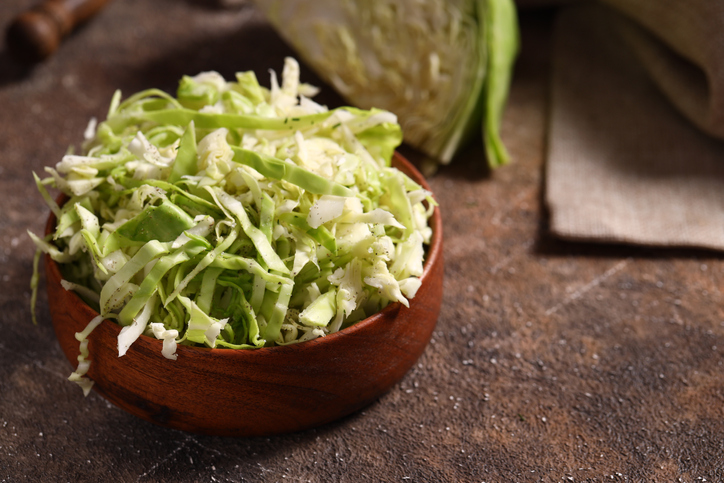
Lukewarm Water & Cabbage: Start with water to hydrate, followed by cabbage or green vegetables, which are gentle on the stomach lining and provide fiber.
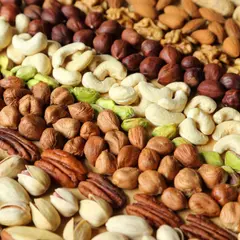
Proteins and Healthy Fats: Consume eggs (about 6g of protein each) or a handful of nuts. Nuts are rich in unsaturated fatty acids, which support vascular health.
Complex Carbohydrates: Only after consuming fiber and protein should you move to carbohydrates like whole wheat bread, multigrain rice, or potatoes based on your specific condition.