Sharing fruit after a holiday meal is a cherished tradition, but for those managing blood sugar, it can be a source of anxiety. While fruits are packed with essential vitamins, minerals, and immunity-boosting antioxidants, they also contain natural sugars—glucose and fructose.
After a heavy holiday meal has already raised your glucose levels, excessive fruit intake can trigger a rapid spike. The secret to enjoying fruit without the "sugar crash" lies in choosing the right varieties and practicing portion control.
Avoid High-Glycemic Fruits
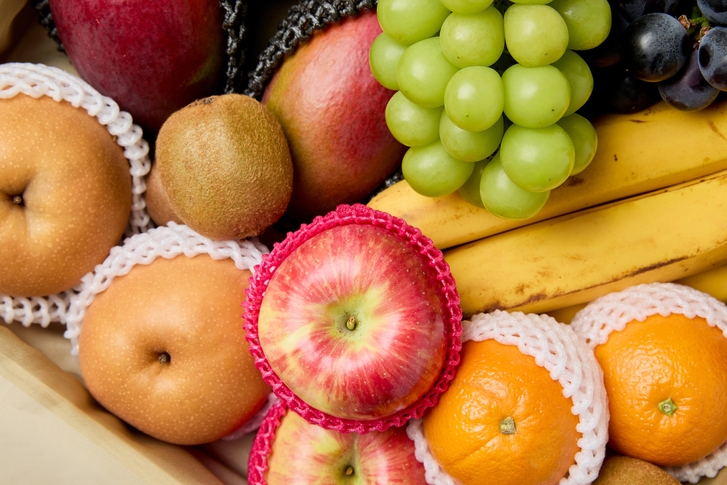
Not all fruits affect the body in the same way. The Glycemic Index (GI) ranks foods based on how quickly they raise blood sugar. Fruits with a GI of 70 or higher are considered high-glycemic and should be consumed with extreme caution. This category includes:
Pineapple, Bananas, Watermelon, and Raisins.
Conversely, fruits with a GI of 50 or lower are generally considered safer for diabetic patients because they are digested more slowly. These include:
Apples, Pears, Peaches, Cherries, Grapefruit, and Pomegranates.
Berries: Strawberries, blueberries, and raspberries.
Portion Control is Essential
Even low-GI fruits can raise blood sugar if eaten in large quantities. A standard single serving for a person managing blood sugar is approximately:
Half an apple (100g)
One pear (100g)
10 strawberries (150g)
19 grapes (100g)
Eat Whole Fruit, Not Juice
To maximize health benefits, always choose whole fruits over juices, purees, or smoothies. Whole fruit contains dietary fiber, which slows down the rate of digestion and prevents glucose from flooding the bloodstream too quickly. It is also vital to avoid canned fruits soaked in heavy syrup, dried fruits with added sugar, or processed fruit snacks.
The 2-Hour Rule: When to Eat
Timing is just as important as the type of fruit. It is best to wait at least two hours after a meal before eating fruit. It takes roughly this long for blood sugar to return to baseline levels; eating fruit too soon adds more sugar to an already elevated system.
Alternatively, eating fruit one to three hours before a meal can be beneficial. The fiber increases satiety, which may lead to smaller portions during the main meal and assist in weight management.
Holiday Storage Tip: The Ethylene Factor
If you’ve received fruit baskets this season, be careful how you store them. Apples, plums, and apricots produce high levels of ethylene, a ripening hormone. Storing them next to ethylene-sensitive fruits like pears, kiwis, persimmons, and cucumbers will cause the latter to spoil much faster. To keep your fruit fresh, store apples in a separate bag or container.