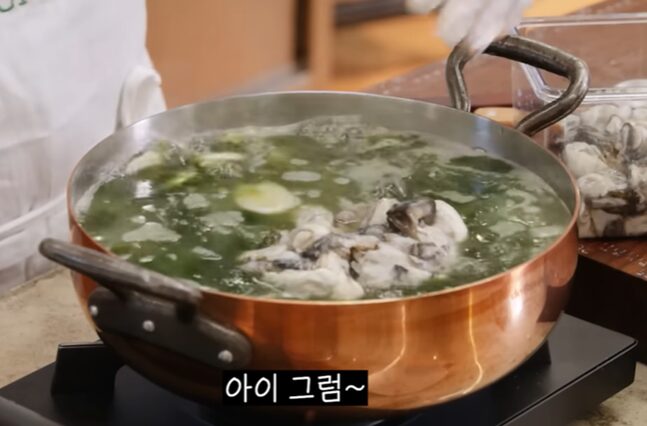
Actor Hyun Bin has revealed the secret behind his favorite Lunar New Year meal: a specialized rice cake soup (tteokguk) prepared by his wife, actress Son Ye-jin. The recommendation came to light via comedian Lee Young-ja’s YouTube channel, where she recreated the dish—Seaweed Oyster Rice Cake Soup—based on Hyun Bin's enthusiastic "thumbs up" endorsement.
On a recent video posted to her channel on the 8th, Lee Young-ja prepared a warm meal designed to melt the winter cold. During the segment, she cooked the specific seaweed and oyster variation that Hyun Bin had previously pointed out to her when asked for a recommendation suitable for the holiday. After tasting the result, Lee expressed her delight, noting that the dish was "full of the scent of the sea" and reminded her of the comforts of home. "I am enjoying the soup that Hyun Bin enjoyed," she added. "Thank you, Ye-jin!"
The Seasonal Synergy of Seaweed and Oysters
Seaweed (parae) and oysters are at their nutritional peak between November and March. This combination is considered one of the best food pairings in Korean cuisine, offering a balanced profile of minerals and proteins that boost immunity and restore energy during the coldest months of the year.
Seaweed: The Mineral King: An alkaline food rich in marine chlorophyll, seaweed contains 40 times the iron of milk and five times the calcium. It is highly effective for blood purification, preventing osteoporosis, and aiding waste excretion.
Oysters: The Sea’s Ginseng: Packed with taurine and zinc, oysters are essential for liver function, fatigue recovery, and immune support. They are also low in calories but high in protein, making them a premium choice for weight management and skin health.
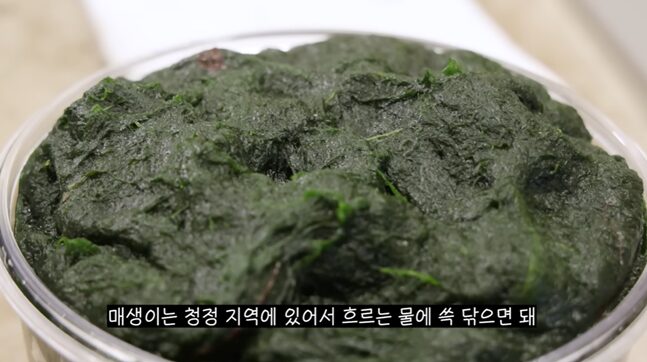
A Tonic for the Liver and Blood
When consumed together, the health benefits of these two ingredients are multiplied. The amino acids and minerals in this pairing provide superior liver protection and alcohol detoxification, making the soup an excellent remedy for hangovers.
The combination is particularly recommended for:
Growing Children: High calcium and phosphorus content supports bone development.
Menopausal Women: The high iron content helps prevent anemia and manages bone density.
The Elderly: The soup format is easy to digest while providing essential taurine and dietary fiber for cardiovascular and gut health.
Safety First: Cooking Oysters in Winter
While oysters are a winter delicacy, the prevalence of norovirus during the cold season requires caution. To ensure safety, health experts recommend cooking oysters thoroughly rather than consuming them raw.
To effectively neutralize potential viruses, oysters should be cooked at a core temperature of at least 85°C for more than one minute. In Lee Young-ja’s recipe, the oysters are boiled directly in the broth with the rice cakes and seaweed, ensuring they are heated sufficiently while seasoning the soup with natural umami.