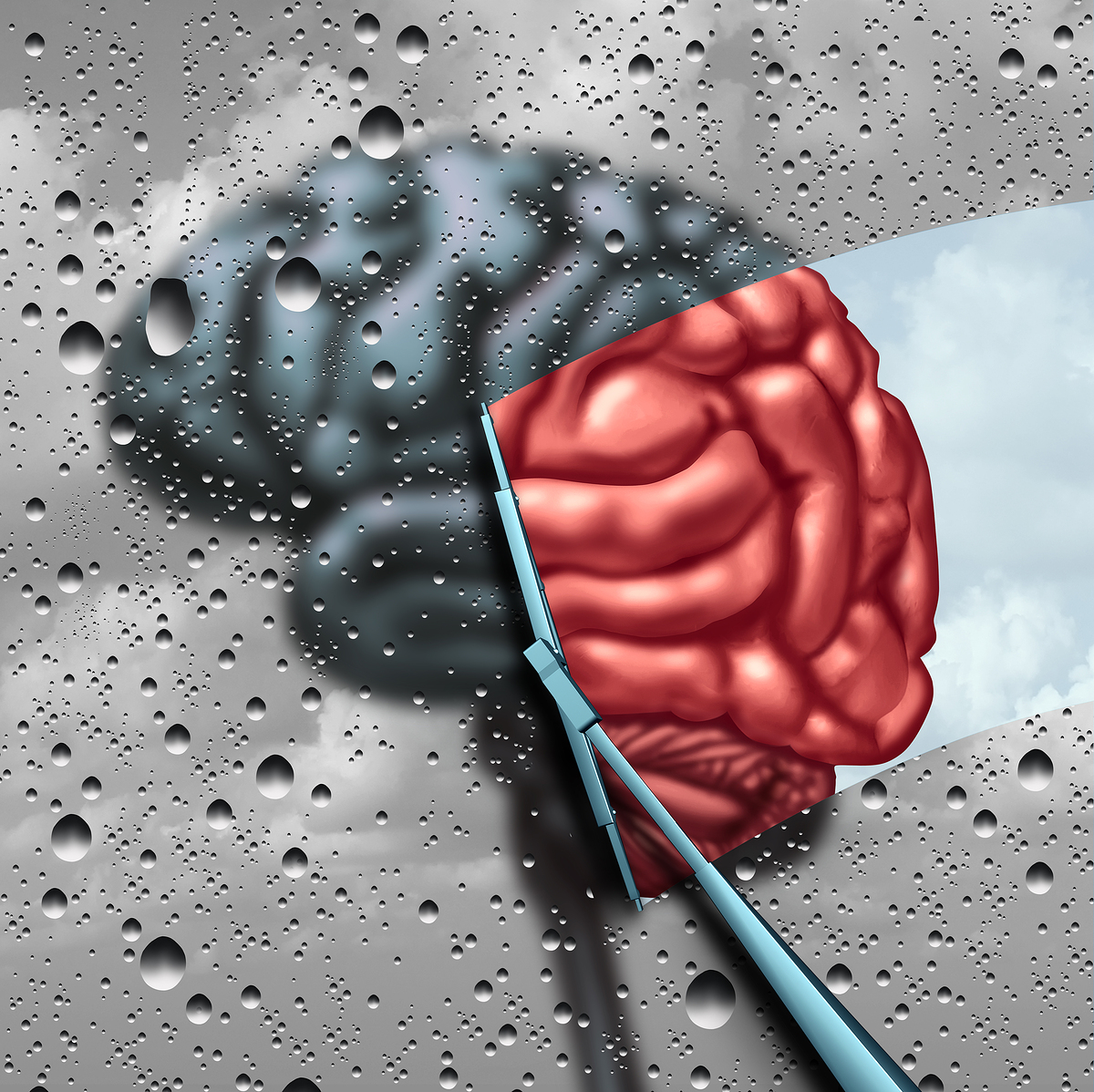
It is normal for the brain to undergo changes as we age. The outer layer of the brain, known as the cerebral cortex, thins with age. This is particularly pronounced in the frontal lobe, which handles memory, emotions, impulse control, problem-solving, social interactions, and motor functions.
Thinning is also observed in parts of the temporal lobe located behind the ears, which helps with understanding words, speaking, reading, writing, and connecting words with meanings. The brain region that matures the latest during adolescence is the first to start aging and shrinking.
The contracting areas of the brain contain important nerve fibers. As the brain shrinks, the connections between nerve cells decrease, and the neurotransmitter systems that convey information from the brain to various parts of the body change, leading to numerous complications.
All these factors affect the aging process and cognitive decline. So, what are some ways to support brain health and prevent cognitive decline as we age? Based on data from American health and medical media such as 'WebMD', we explored this.
Eat Healthily=Obesity in middle age can easily lead to dementia in old age. The most important factors for weight loss are regular exercise and healthy eating.
Avoid potato chips, biscuits, and processed foods that increase the risk of diabetes, and consume plenty of fish and nuts rich in omega-3 fatty acids. It is also essential to eat enough fruits and vegetables, which are rich in antioxidants.
Exercise Daily=You don’t need to be an athlete to live a long and healthy life. Just walking briskly for 20 minutes every day is enough to prevent dementia. Exercise stimulates brain cells to branch out and produce proteins that help them communicate more effectively.
Be Cautious of Cardiovascular Diseases=Conditions such as high blood pressure, high cholesterol, and diabetes can increase the risk of cognitive decline. Regularly check your blood pressure, cholesterol, and blood sugar levels, and manage them through consultations with your doctor.
Manage Stress Well=Stress shrinks the brain's memory center. The stress hormone cortisol can temporarily damage memory.
Meditation or yoga can help manage mood and enhance memory. In particular, meditation lengthens the telomeres of chromosomes, which is a marker of longevity. Meeting friends and getting quality sleep also contribute to reducing stress.
Engage in Brain Exercises=Playing games, attending gatherings, and traveling all invigorate brain cells. Living glued to a smartphone or tablet is risky, but some games can enhance multitasking abilities and problem-solving skills. Online searches also activate neural circuits.
Maintain Social Connections=While some people are naturally sociable, others cannot live like a deserted island. Even those who prefer a quiet life should strive to keep in touch with important people.
The brain thrives on social interactions and connections. Experts explain that “relationships and interactions with others contribute to complex biological factors that can prevent the brain from slowing down.”
Quit Smoking for Good=Smoking is harmful to the lungs and also affects cognitive function as one ages.
There’s No Age Limit to Learning=Just as exercise helps build muscles, keeping the brain active contributes to maintaining strong cognitive abilities throughout life. Consider taking up a new hobby or learning a new skill.
The key is to find interests that you are genuinely passionate about. It is never too late to learn something new in life.
〈Frequently Asked Questions〉
Q1. When does brain aging start?
A1. It usually begins gradually in the late 20s to 30s, but changes that affect daily life become more pronounced in middle to old age. There is a lot of individual variation.
Q2. Is brain aging the same as dementia?
A2. No. △Brain aging: Normal aging process (slower processing speed, forgetfulness, etc.) △Dementia: A pathological condition that severely disrupts daily life → Not all brain aging leads to dementia.
Q3. Does memory necessarily decline with age?
A3. There are some changes, but not all memory declines. △Short-term memory, speed: May decrease △Experience, knowledge, judgment: Often maintained or even improved.