BTS Jungkook (28) has revealed his current dieting status.
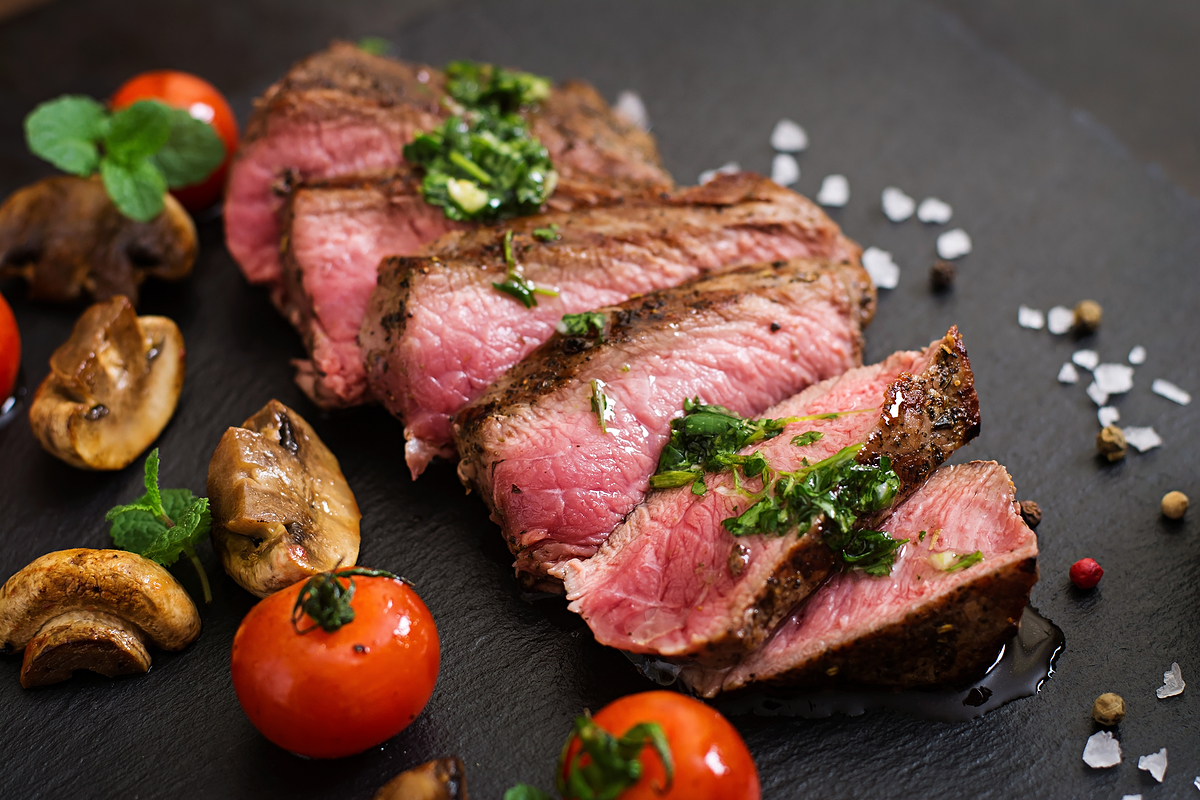
Recently, Jungkook stated in an interview with Rolling Stone UK, "I’m on a diet these days." He mentioned, "I only eat one meal a day," adding, "So that one meal is something I really look forward to."
Jungkook also shared that he practices cardio exercises every morning and evening along with managing his diet. He noted that his attitude towards life has changed before and after his military service, saying, "I used to drink alcohol, but now I try to refrain from it." Let's take a look at his management methods.
What are the effects of eating one meal a day?
The one meal a day method that Jungkook practices literally means eating only one meal a day. It is a type of intermittent fasting that keeps the fasting period long. This method became widely known in Korea after Dr. Yoshinori Nagumo, a plastic surgeon from Japan, claimed through his book on one meal a day that fasting is good for health. Dr. Nagumo explains that the one meal a day eating method not only helps with weight control but also activates longevity genes that can overcome diabetes, dementia, cancer, and more.
When the fasting state is maintained through one meal a day, the body lacks sugar, which helps burn fat quickly and aids in weight loss. Our bodies usually recognize fat as a key element for survival, so they burn sugar before fat. By combining aerobic exercise like Jungkook does, one can effectively reduce body fat and weight.
Are there any side effects of eating one meal a day?
However, it is difficult to definitively say that this is a healthy eating method. If the body becomes hypoglycemic due to the one meal a day diet, symptoms such as lethargy, headaches, and fatigue may appear. Continuing this eating method can lead to nutritional deficiencies and a decrease in immunity. Eating only one meal a day results in an intake of about 500 kcal.
To avoid side effects, it is advisable to create a diet plan that can be practiced for a long time while evenly supplementing nutrients. This means preparing a diet that provides sufficient amounts of carbohydrates, proteins, fats, vitamins, and minerals. At this time, replacing refined carbohydrates like flour, sugar, and white rice with whole grains is beneficial for dieting and blood sugar health. Eating fiber-rich foods like salads before meals can help prevent overeating and is good for supplementing vitamin C, potassium, and more.
Meanwhile, reducing alcohol consumption during dieting is also important. Alcohol has a high caloric content of 7 kcal per gram. However, it has almost no nutritional value and tends to not provide a feeling of fullness. No matter how much alcohol one drinks, the body does not activate the signaling system that indicates other nutrients are not needed. This is why people tend to seek various snacks when drinking. If one must drink, it is suitable to choose low-calorie and nutrient-rich snacks like seafood, salads, and cheese.