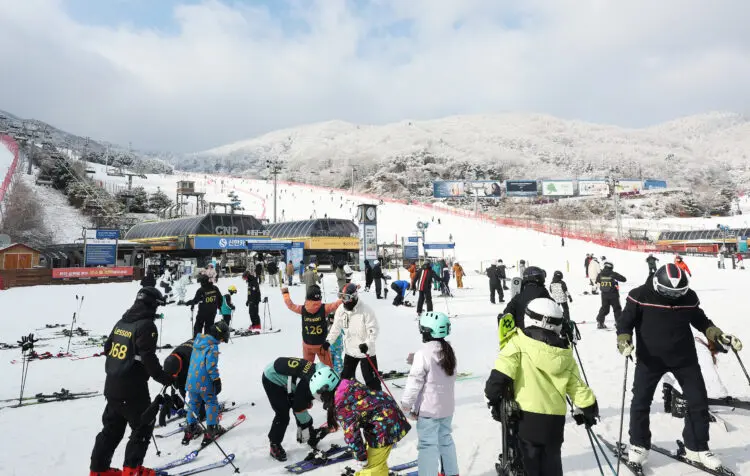
As the cold days continue with temperatures dropping below zero even during the day in January, ski resorts are in full swing. With an increase in ski resort visitors, the ITX Youth Train is making temporary stops at Baekyangri Station on the Gyeongchun Line. There is an active movement to overcome the cold winter through outdoor sports activities, but the problem is that one must be cautious of cardiovascular diseases. The cold can put a strain on health, especially the cardiovascular system.
In the winter, a warning for 'Holiday Heart Syndrome'
In the United States, where ski resorts are well-developed, there are many medical institutions warning about cardiovascular health during the winter holiday season. The Cleveland Clinic, a non-profit medical institution in Ohio, warns that "one should be especially careful of 'Holiday Heart Syndrome (HHS)' during the winter months." HHS refers to the symptoms of cardiovascular diseases, such as short-term 'abnormal heartbeats (arrhythmias)', caused by various factors like cold, alcohol consumption, and stress during holidays or vacations. The Cleveland Clinic has 1,300 beds at its main hospital and 6,690 beds when including its branches, and it has consistently been ranked as one of the best hospitals in the United States by U.S. News & World Report, particularly renowned in the cardiovascular field.
Cold causes blood vessel contraction, increasing the risk of thrombosis and heart attack
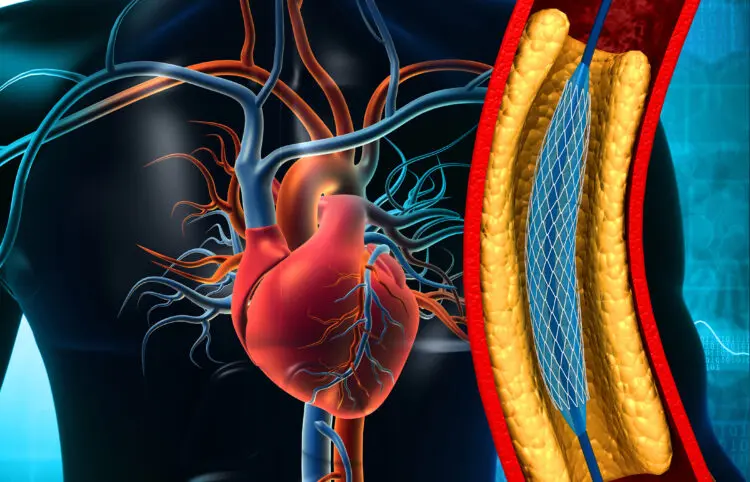
According to the hospital's website, cold is one of the major factors that cause cardiovascular diseases. The body exposed to cold weather constricts blood vessels to maintain and preserve body temperature. This minimizes the dissipation of body heat.
The problem is that when blood vessels constrict, it increases the risk of plaque rupture or heart attack. Plaque rupture refers to the phenomenon where cholesterol lumps in the arteries break apart, causing blood clots to circulate and block blood vessels. This can lead to dangerous cerebrovascular diseases such as myocardial infarction or stroke.
In fact, a study published in Sweden in 2024 found that people exposed to temperatures between -9 to -4 degrees Celsius for two consecutive days were more likely to experience a heart attack within 2 to 6 days compared to those who were not exposed to such cold temperatures. This study analyzed over 120,000 heart disease patients in Sweden from 2005 to 2019.
According to a study published in the journal 'Circulation' by the American Heart Association in 2004, among heart attack deaths from 1979 to 2001, 53 million were related to HHS. A study conducted in Sweden in 2018 found that the incidence of heart attacks during the winter holiday season increased by 15% from 1998 to 2013.
Excessive alcohol consumption and travel stress also burden health
According to the Cleveland Clinic, HHS is fundamentally caused by excessive consumption of alcoholic beverages along with the cold weather. Additionally, stress caused by unfamiliar environments due to excessive fat intake and travel also contributes to the risk.
The U.S. daily newspaper USA Today recently reported on the causes and prevention tips for HHS. The newspaper quoted Dr. Keith Churchwell, a former president of the American Heart Association, stating that "HHS is a complex of various diseases including atrial fibrillation, heart failure, and myocardial infarction." HHS includes major cardiovascular symptoms such as fatigue, shortness of breath, atrial fibrillation or palpitations, heart failure, and even fatal myocardial infarction. HHS also increases the risk of stroke.
Increased alcohol consumption leads to atrial fibrillation
Atrial fibrillation refers to irregular and rapid heartbeats. According to the Mayo Clinic in Rochester, Minnesota, which competes with the Cleveland Clinic for the top spot among U.S. hospitals, atrial fibrillation can cause symptoms such as fatigue, shortness of breath, and dizziness, and in severe cases, it can lead to a stroke. Increased alcohol consumption can trigger short-term atrial fibrillation. Research from the Cleveland Clinic indicates that cases of atrial fibrillation are more frequent in December and January, when excessive alcohol consumption is common due to holidays and gatherings.
Patients with a history of cardiovascular disease, hypertension, diabetes, and hyperlipidemia should be cautious
Palpitations refer to the sensation of an unusually fast or irregular heartbeat, which can cause feelings of anxiety and tension. Under normal circumstances, heartbeats are hardly felt. These symptoms generally occur as alcohol alters the heart's electrical system. Stress, lack of sleep, and consumption of sodium-rich foods can exacerbate the situation.
Heart failure refers to a condition where the heart cannot pump blood adequately. Common symptoms include shortness of breath, fatigue, and swelling, and in severe cases, it can be life-threatening. Hypertension is a major underlying condition that causes heart failure. Excessive fat intake or stress due to changes in lifestyle during the holiday period can raise blood pressure.
Myocardial infarction, commonly known as a heart attack, occurs when blood flow to the heart is blocked by blood clots or other factors. The American Heart Association warns that blockage of blood flow can prevent oxygen from reaching the heart, potentially leading to heart damage or even death.
USA Today quoted Dr. Churchwell, stating that "patients with a history of cardiovascular disease, coronary artery disease, or atrial fibrillation are at particularly high risk for HHS." Furthermore, even those who have not been diagnosed with cardiovascular-related diseases but have hypertension, diabetes, obesity, or hyperlipidemia are also at the same risk," he warned.
Set alarms to take hypertension, diabetes medications on time
USA Today emphasized the importance of patients with hypertension, diabetes, obesity, and hyperlipidemia making an effort not to forget to take their medications during the holidays, quoting Dr. Churchwell. He advised setting phone alarms to remind oneself to take medications on time.
Additionally, it is pointed out that if one feels chest tightness or discomfort while going outdoors in cold weather or due to changes in lifestyle from alcohol consumption, it is necessary to seek medical attention immediately.
Spending quality time with family or loved ones during holidays or vacations is a source of vitality in life. To enjoy this good time safely and healthily, caution, preparation, and active interest in health are essential.