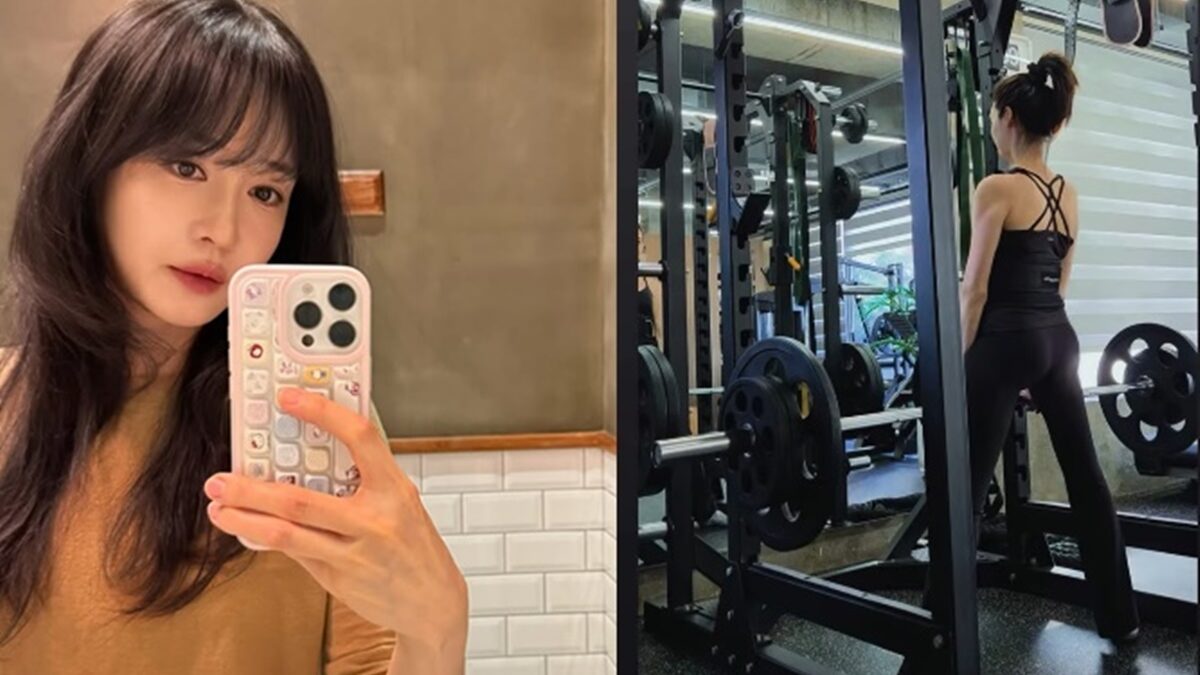
Sung Yu-ri, 45, recently drew attention by displaying a toned, athletic silhouette as her iconic girl group Fin.K.L prepares for an upcoming comeback.
Sharing a gym workout update on social media, the singer stood before strength equipment in black athletic wear, displaying defined shoulders, slender arms, a narrow waist, and firm glutes.
Following the birth of her twin daughters, Sung successfully shed 30 kilograms using Pilates and structured physical activity. Recently, she has incorporated regular resistance training at the gym to build functional strength and muscle tone.
Fin.K.L—a pioneering first-generation K-pop group comprising Sung Yu-ri, Ock Joo-hyun, Lee Hyo-ri, and Lee Jin—debuted in 1998 and achieved massive popularity. The full group is currently preparing to reunite after nearly 21 years.
Strength Training for Muscle Preservation and Body Composition
Achieving a lean, defined physique requires prioritizing muscle preservation alongside fat reduction. Resistance training utilizing dumbbells, barbells, or weight machines plays a crucial role in this process. According to the Mayo Clinic, strength training counteracts age-related muscle loss, supports fat management, and reinforces bone density. Training major muscle groups across the shoulders, back, and lower body builds overall symmetry and physical strength.
Optimal strength gains depend on proper form rather than lifting maximum weight. Exercise guidelines recommend targeting major muscle groups at least twice weekly, allowing adequate recovery between intense sessions. Combining resistance training with moderate aerobic exercise, such as brisk walking, helps manage body fat while preserving lean tissue.
In her posted photo, Sung appears to be executing or finishing a deadlift. As a compound movement requiring hip and knee extension to lift a barbell from the floor, the deadlift heavily recruits the glutes, hamstrings, back, and core stabilizers. When performing deadlifts, maintaining a neutral spine, keeping the barbell close to the legs, and avoiding excessive backward leaning at full extension are essential for safety and effectiveness.
Targeted Glute Workouts and Pilates for Core Stability
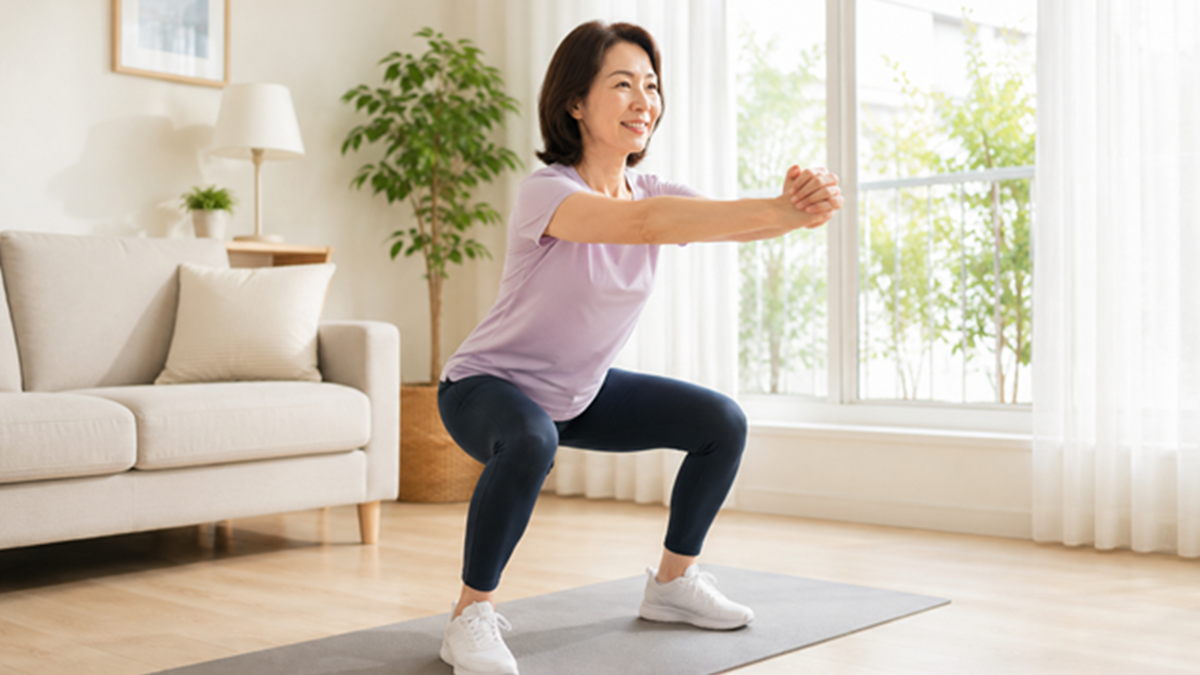
Developing round, firm gluteal muscles requires targeted movements such as hip thrusts and squats. A hip thrust involves elevating the upper back on a bench, keeping the feet flat on the floor, and driving the hips upward against resistance. Squats engage both the glutes and quadriceps as the hips lower into a seated position. A 2023 study published in Frontiers in Physiology revealed that beginners performing either barbell hip thrusts or squats over a nine-week period experienced comparable gluteal hypertrophy.
To increase resistance during hip thrusts, lifters can place a padded barbell across the pelvis. Beginners can master the movement pattern through unweighted glute bridges on the floor before introducing loaded hip thrusts, lunges, or step-ups. Strong gluteal muscles extend beyond aesthetic benefits; they stabilize the pelvis and support daily movement patterns such as walking and stair climbing.
Complementing gym workouts, Pilates utilizes precise, controlled movements synchronized with deep breathing to engage the deep abdominal, back, and pelvic floor muscles. By strengthening core stabilizers, Pilates improves joint flexibility, balance, and spinal alignment. This core strength helps correct hunched posture, creating the elongated, upright stance often associated with a lean, healthy frame.