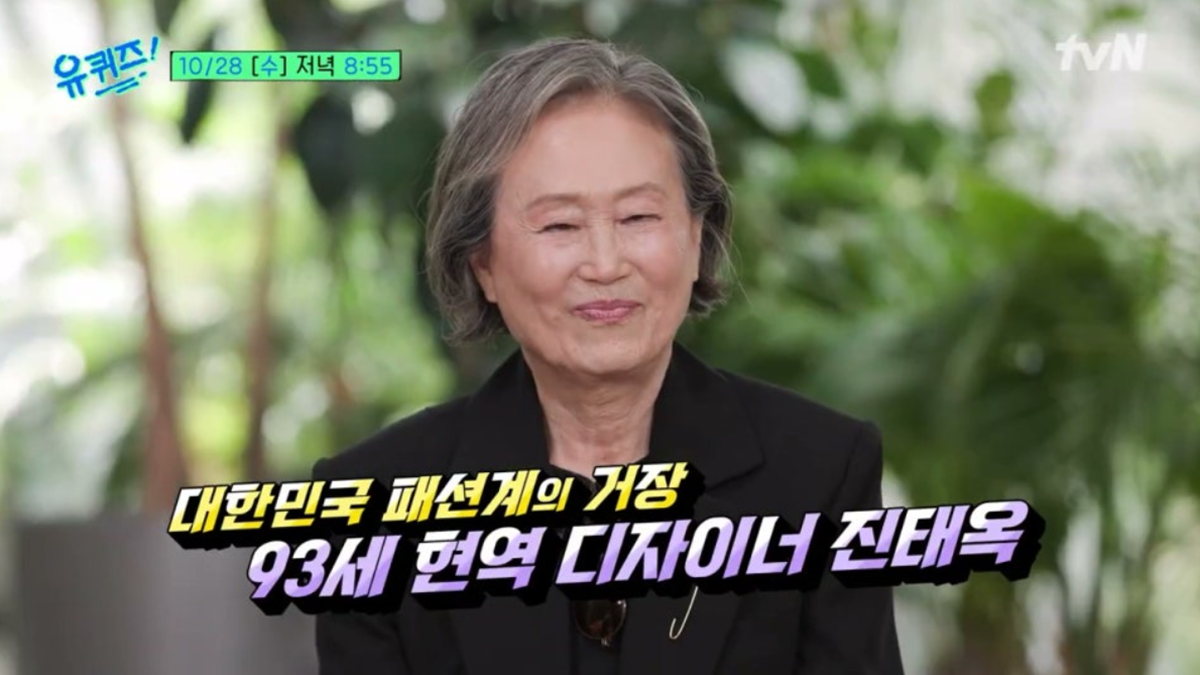
Jin Teok, a 93-year-old pioneer of the fashion industry who remains actively working, recently shared the daily health and fitness habits that maintain her physical and mental vitality.
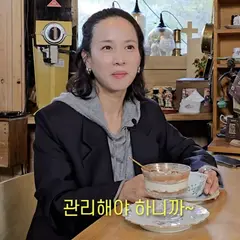
Widely recognized for launching the ready-to-wear fashion era in South Korea, Jin was the first Korean designer to showcase a collection at the prestigious Paris Prêt-à-Porter shows and was named one of the 500 most influential figures in global fashion. Appearing on tvN’s You Quiz on the Block on October 28, she surprised viewers by revealing that she still commutes to her design studio at 10 a.m. every day.
Dressed in a tailored black jacket and skirt, Jin displayed an upright posture and clear skin. When asked how she maintains her health, she emphasized consistency in exercise and daily routine. “I swim twice a week. I walk 500 meters in the water and swim 500 meters,” she explained. “I also drink about six cups of warm green tea every day. Drinking tea helps me relax and feel calm, taking care of my mental well-being as well.”
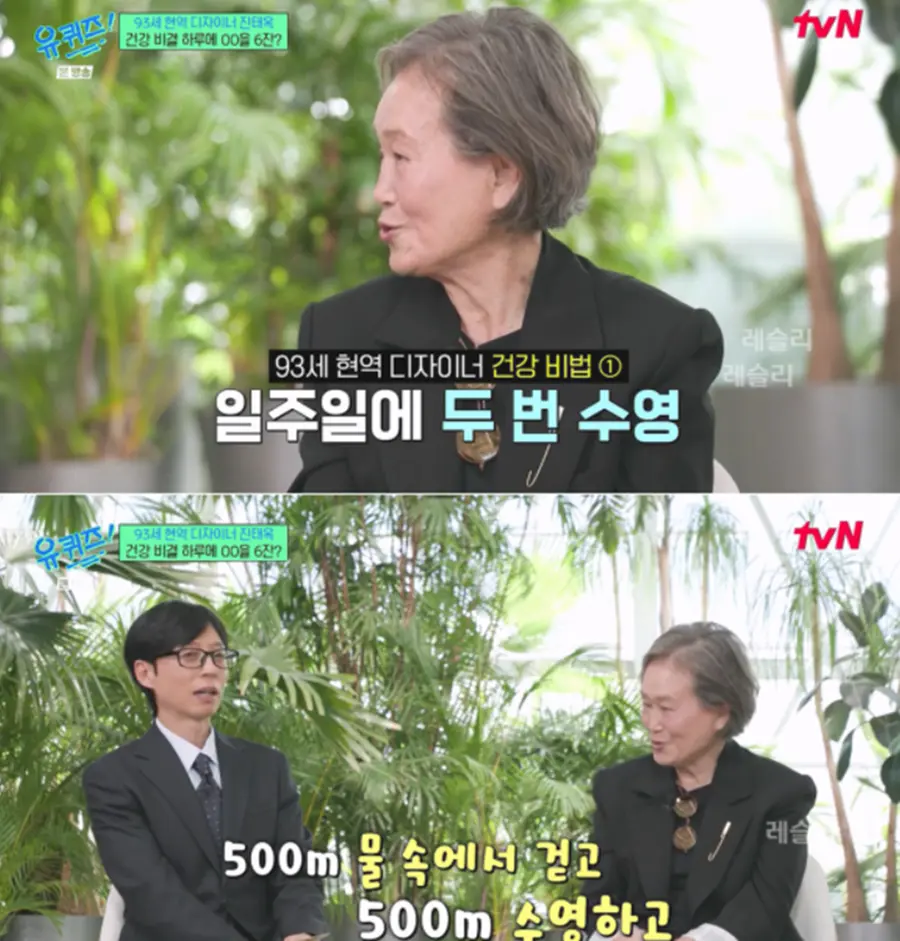
Low-Impact Aquatic Exercise Supports Joint Health and Cardiorespiratory Fitness
Aquatic workouts are particularly well-suited for older adults because water buoyancy supports body weight, significantly reducing mechanical stress on the knees, hips, and spine. According to the U.S. Centers for Disease Control and Prevention (CDC), water-based exercises improve joint mobility and alleviate pain in individuals with arthritis, allowing seniors to preserve physical function and quality of life when land-based walking becomes uncomfortable.
Moving through water also provides natural drag resistance, engaging major muscle groups to build strength and endurance while continuous swimming enhances cardiorespiratory fitness. Combining swimming with water walking allows individuals to strengthen lower-body muscles under minimal joint strain. Regular physical activity in older age additionally contributes to blood pressure management, improved sleep quality, and reduced anxiety.
However, medical experts note that a fixed regimen of walking and swimming 500 meters twice weekly may not suit every older adult equally, as exercise intensity depends on speed, duration, and baseline fitness. The CDC recommends that adults aged 65 and older aim for at least 150 minutes of moderate-intensity aerobic activity per week, alongside muscle-strengthening exercises on two or more days and balance-focused activities. Individuals should adjust movement to match their physical capabilities and progress gradually.
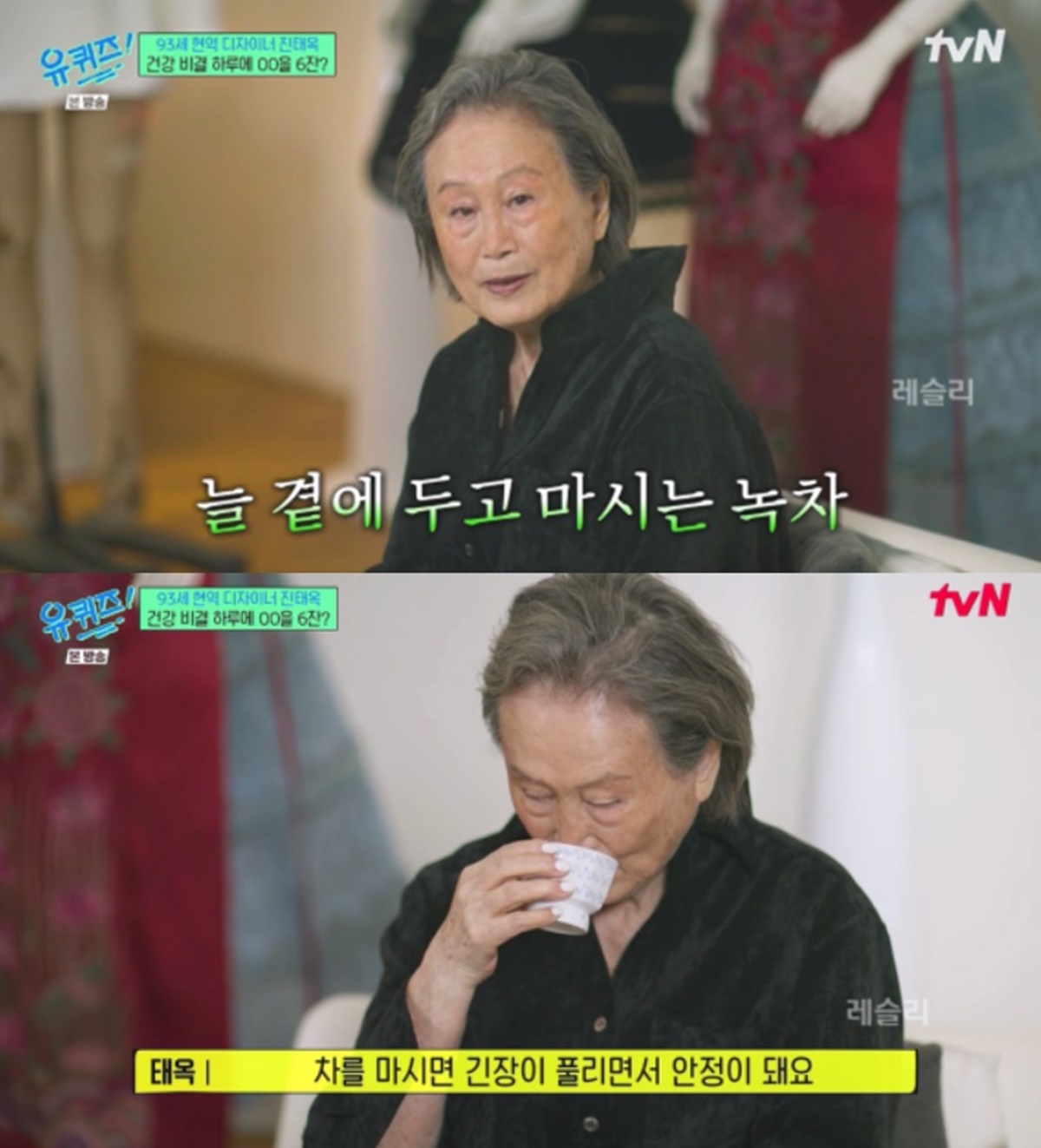
Antioxidant-Rich Green Tea Aids Mental Calmness and Hydration
Regular tea consumption offers a reliable way to maintain daily fluid intake while delivering beneficial plant compounds. Green tea is rich in catechins, potent antioxidants that help neutralize cell-damaging free radicals.
Research also highlights potential psychological benefits associated with green tea intake. An epidemiological analysis led by researchers at Japan’s Tohoku University involving more than 40,000 adults aged 40 and older found that individuals who consumed green tea regularly reported lower levels of psychological distress, including anxiety and depression.
Health experts advise tailoring green tea intake to individual physiological responses. Individuals sensitive to caffeine who experience insomnia, heart palpitations, or gastric discomfort should reduce their consumption and avoid drinking tea late in the day. Because tannins in tea can interfere with nutrient absorption, iron supplements should be taken at least two hours apart from green tea. Those on regular prescription medications should consult a physician or pharmacist regarding potential interactions, and tea should always be cooled to a comfortable warm temperature before drinking to protect the esophagus.
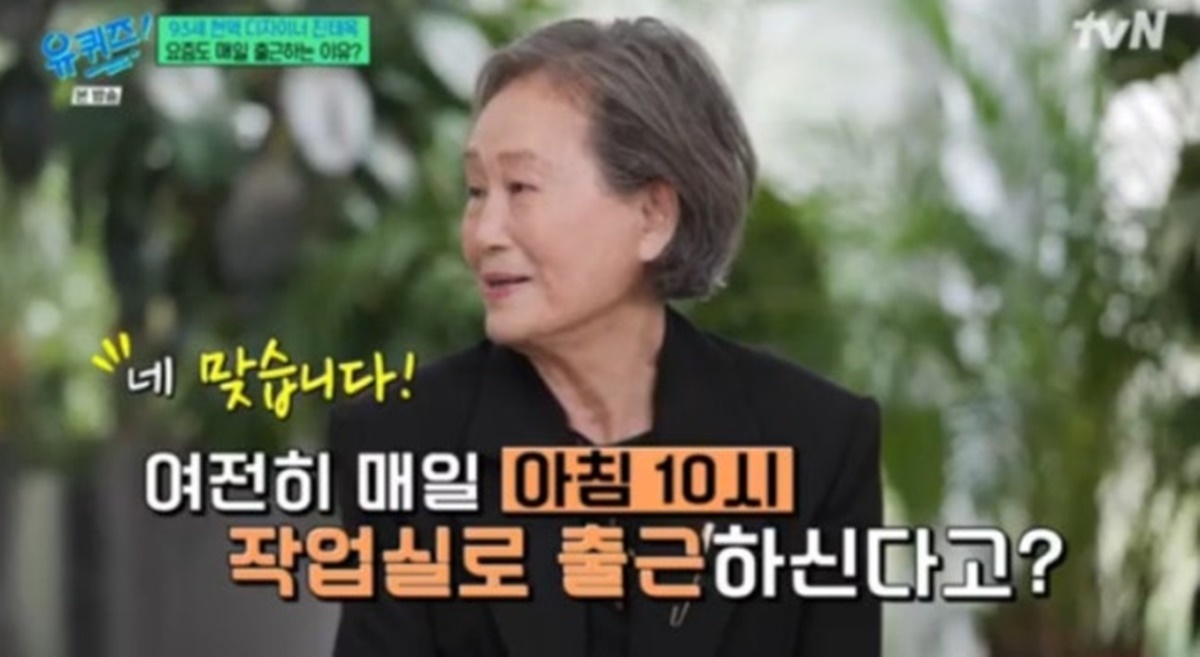
Purpose-Driven Work and Social Connections Foster Vitality in Later Years
Remaining engaged in meaningful work or creative pursuits according to one's health can significantly boost cognitive and emotional well-being in later life. Pursuing fulfilling activities provides a sense of daily purpose, accomplishment, and self-worth, while regular social interactions help prevent feelings of isolation. Solving complex problems or generating fresh ideas also provides healthy cognitive stimulation for the aging brain.
Choosing activities that align with personal energy levels and interests is key. Beyond professional careers, engaging in hobbies, volunteering, or learning new skills can infuse daily life with renewed energy, allowing older adults to meaningfully share their accrued knowledge and life experience with others.