Reaching for a sweet coffee and a few cookies after a meal before dozing off on the couch is a familiar routine for many. Over time, however, repeating these post-meal habits can cause the lower abdomen to protrude—even when main meal portions remain small. For individuals struggling with a midlife potbelly, evaluating daily post-meal behavior is an essential first step.
Step Away From the Couch: Light Activity Improves Blood Sugar Regulation
Heading straight to the couch or a office desk after eating does not instantly convert food into abdominal fat, but prolonged physical inactivity significantly reduces total daily energy expenditure. Women undergoing menopause are particularly susceptible to visceral and subcutaneous fat accumulation around the midsection, causing waistlines to expand even without major changes in body weight.
Breaking up extended periods of sitting also plays a vital role in managing postprandial blood glucose levels. In a study of 22 overweight or obese postmenopausal women with impaired glucose regulation, standing or walking lightly for five minutes every half hour significantly reduced post-meal blood sugar and insulin spikes compared to continuous sitting.
Experts recommend starting with a comfortable 10- to 20-minute walk after eating. If going outdoors is inconvenient, clearing the dinner table or moving around the house provides beneficial light activity. For desk workers, taking brief standing breaks every 30 minutes helps maintain metabolic activity. If feeling excessively full, moving at a gentle pace in short intervals is preferred over vigorous exercise.
Mind the Hidden Calories: Sugar-Laden Desserts and Beverages
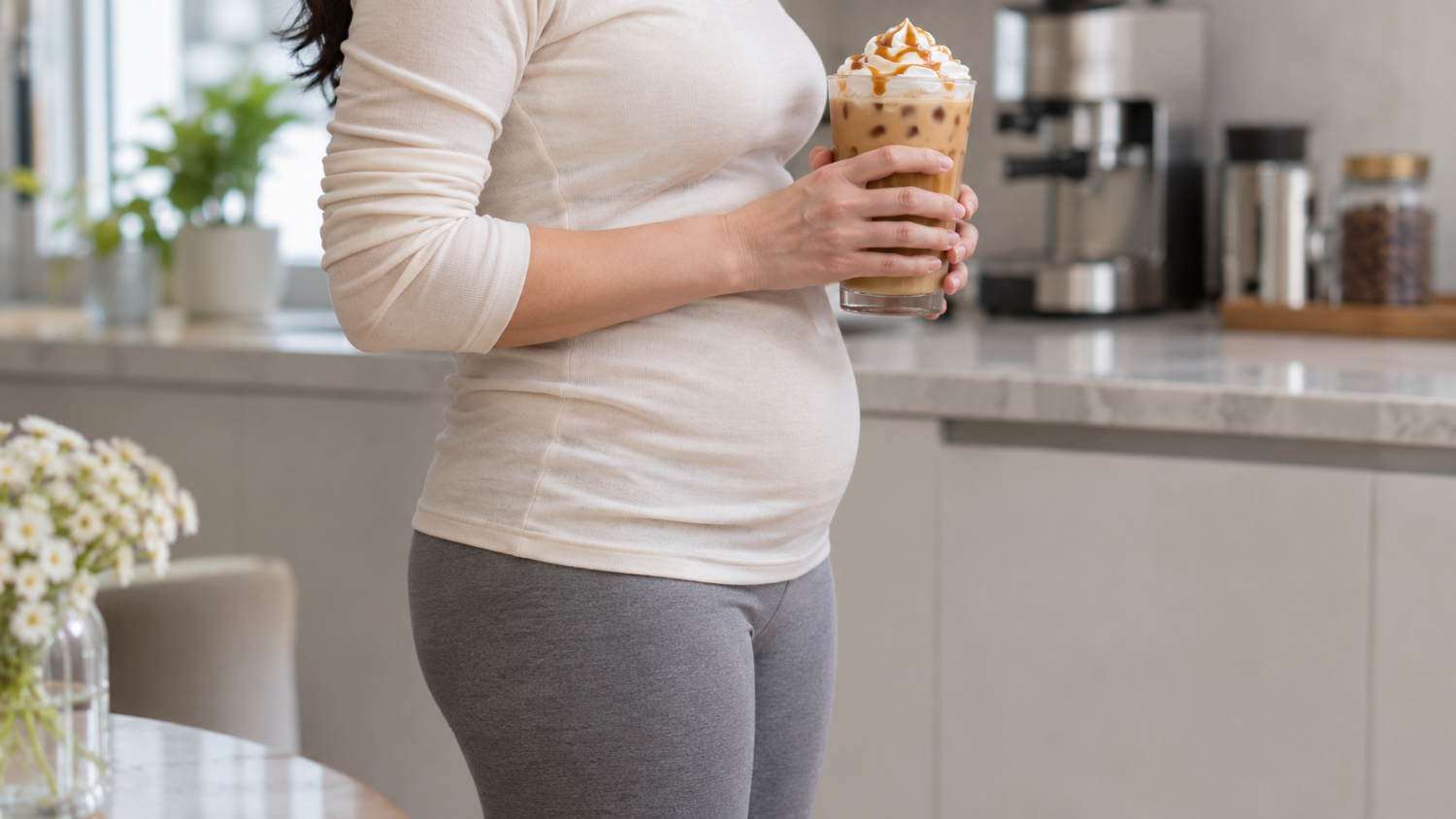
A common pattern among middle-aged adults is reducing rice or main dish intake only to consume a sweet latte, pastries, or generous servings of fruit shortly after. While each item may seem harmless, these habitual post-meal snacks add up to a substantial caloric surplus over time. Sugar-sweetened beverages and syrup-laced coffees rapidly elevate postprandial blood glucose.
Keeping a food log for three days—including coffee syrups, creamers, and casual snacks—can help identify hidden sources of calories and sugar. Transitioning to water or unsweetened tea, controlling fruit portion sizes, and reserving small servings for occasional treats offer a practical approach to curbing abdominal fat without severely restricting core meals.
Beyond Ab Exercises: Focus on Total Daily Physical Activity
Relying solely on targeted abdominal exercises like sit-ups will not selectively burn lower-belly fat. While core workouts strengthen underlying muscle tissue, systemic fat loss requires consistent calorie management and elevated daily physical activity. Similarly, engaging in a morning walk does not offset remaining seated for the rest of the day.
Along with light post-meal movement, health guidelines recommend accumulating at least 150 minutes of moderate-intensity aerobic exercise per week, combined with strength training on two or more days. Incorporating functional movements that engage large muscle groups—such as squats, chair stands, and wall push-ups—helps boost overall metabolic rate and preserve lean muscle mass.
Managing Post-Meal Drowsiness and Reflux
Post-meal lethargy often prompts people to lie down immediately, turning a brief rest into an extended nap. While napping does not directly cause fat to store in the lower abdomen, falling asleep after meals reduces overall daily activity and impedes weight management efforts. Furthermore, lying down with a full stomach increases intragastric pressure, triggering or worsening gastroesophageal reflux and heartburn.
To prevent post-meal drowsiness, focus on portion control rather than eating until uncomfortably full, and engage in light movement to stay alert instead of relying on sugary caffeinated drinks. Individuals prone to acid reflux should avoid lying down within two to three hours after eating. If daytime sleepiness remains severe despite adequate nighttime sleep, consulting a clinician to evaluate potential sleep disorders, such as sleep apnea, is recommended.