“Until just before my daughter turned 2, she frequently suffered not only febrile seizures but also afebrile seizures. The anxiety of never knowing when the next episode would strike was overwhelming. Because I had to stay by her side 24 hours a day—awake or asleep—simply keeping up with daily life felt impossible.”
For Ms. A, the mother of a 4-year-old girl living with Dravet syndrome, routine family milestones remain out of reach. She has not yet been able to take her daughter to see the ocean, fearful of long-distance travel and being far from an emergency department. For years, the vast majority of her income was consumed by medical bills and anti-seizure treatments.
“All I want is to live an ordinary life with my child, just like other families,” Ms. A said. “As research expands and new therapies become available, I hope a better environment is created for patients and their caregivers.”
A Devastating Condition with High Mortality Risks
Dravet syndrome is a rare, intractable form of epilepsy occurring in approximately 1 in 10,000 to 20,000 births worldwide, with an estimated 150 patients in South Korea. Onset typically occurs during the first year of life, triggering lifelong, treatment-resistant seizures accompanied by developmental delays, cognitive decline, motor impairment, and sleep disturbances.
Patients face a significantly higher risk of premature mortality than those with other forms of epilepsy, with Sudden Unexpected Death in Epilepsy (SUDEP) recognized as a primary cause of death. Early diagnosis and effective therapeutic intervention are critical to managing seizure frequency and mitigating long-term neurological damage.
Insurance Coverage Slashes Costs Tenfold
Relief for families arrived this month with the expansion of national health insurance reimbursement for Fintepla oral solution (fenfluramine). Approved by the Ministry of Food and Drug Safety in December as South Korea's first targeted treatment for Dravet syndrome, Fintepla became eligible for government insurance coverage on September 1.
According to the Ministry of Health and Welfare, national coverage is projected to reduce out-of-pocket medical expenses for patients tenfold—from approximately 100 million KRW annually to roughly 10 million KRW. Reimbursement applies to patients aged 2 and older who have failed to achieve a 50% or greater reduction in seizure frequency despite receiving at least three conventional anti-seizure medications, including valproate and clobazam, at maximum tolerated doses.
Clinical Evidence and Holistic Quality-of-Life Improvements
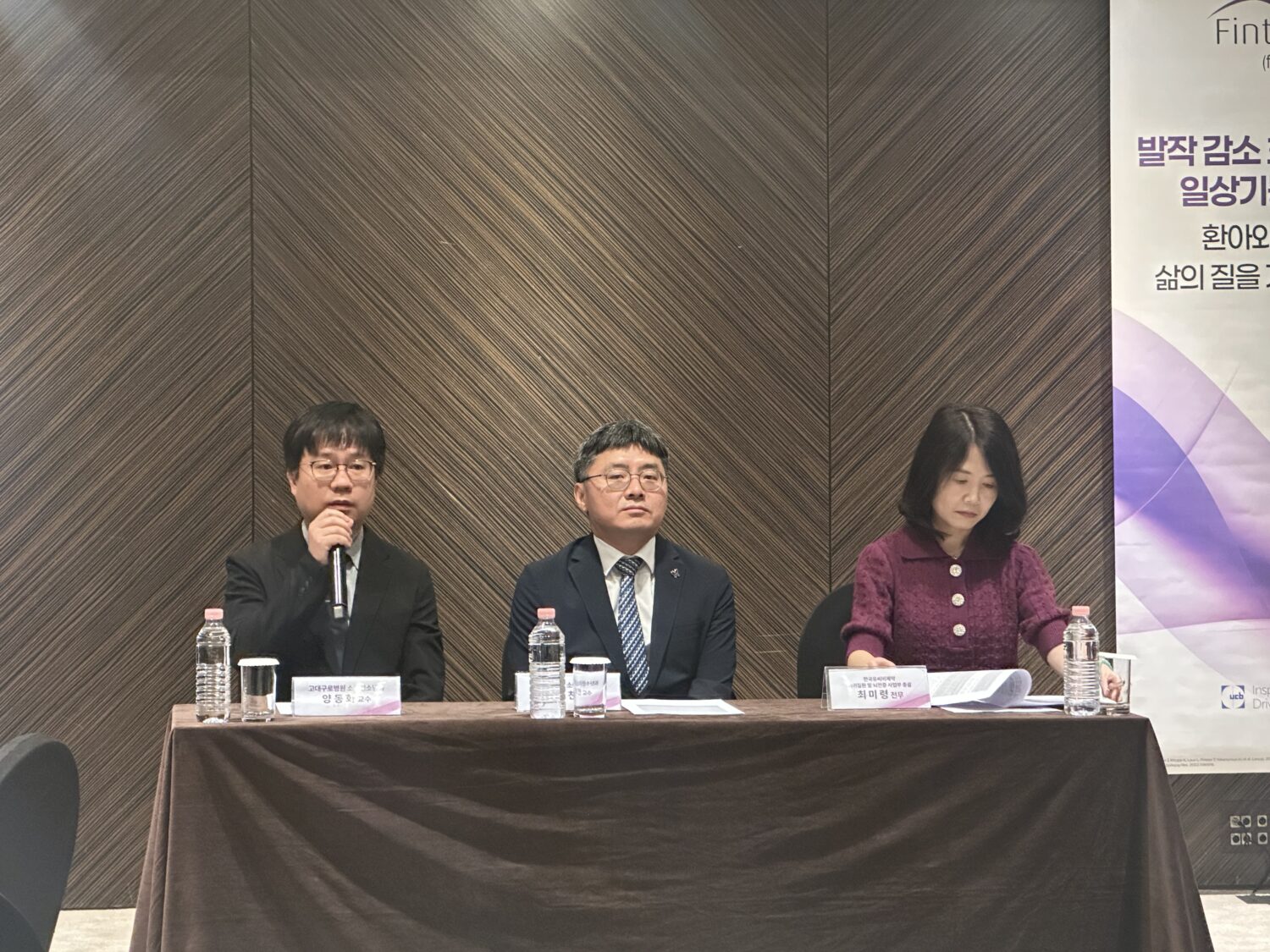
To mark the reimbursement landmark, UCB Korea hosted a press briefing on September 15 at The Plaza Hotel in Seoul, detailing how the decision will transform Dravet syndrome care nationwide.
Presenting at the event, Lim Byung-chan, a professor of pediatrics at Seoul National University Hospital, highlighted the drug’s novel pharmacological profile. “Fintepla operates through a unique dual mechanism that simultaneously modulates serotonin signaling and the sigma-1 receptor,” Lim explained. “Across three Phase 3 clinical trials, Fintepla demonstrated a 54% to 65% greater reduction in monthly convulsive seizure frequency compared to placebo, with open-label extension studies proving that this efficacy is sustained for up to three years.” In clinical analyses, approximately 64% of treated patients experienced a reduction of 50% or more in monthly convulsive seizures..
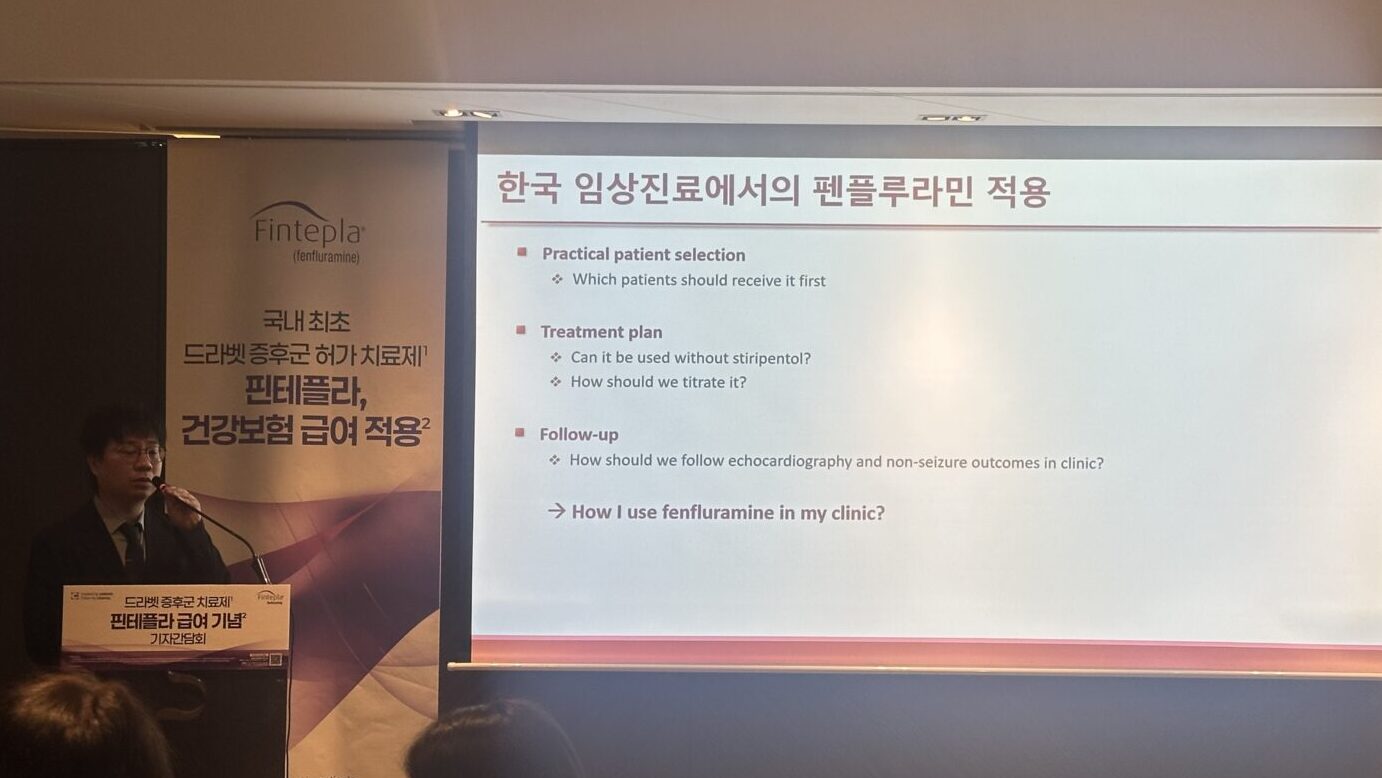
Medical experts emphasize that the therapeutic value of the treatment extends beyond seizure control alone.
“Clinical trials confirmed not only a reduced seizure burden but also potential improvements across daily functioning, including cognition, behavior, and sleep,” said Yang Dong-hwa, a professor of pediatrics at Korea University Guro Hospital. “When evaluating treatment success, we must look beyond seizure frequency to assess seizure-free intervals, rescue medication usage, and the overall caregiving burden on families. With national reimbursement now active, I expect many more children and their families to experience meaningful improvements in their daily lives.”